Siding Repair After Fire or Smoke Damage
- 1-Understanding Fire and Smoke Damage to Siding
- 2-Signs of Fire and Smoke Damage to Siding
- 3-How to Repair Fire-Damaged Siding
- 4-Choosing the Right Material for Siding Repair
- 5-When to Hire a Professional for Siding Repair
- 6-Preventative Measures for Fire and Smoke Damage to Siding
1-Understanding Fire and Smoke Damage to Siding
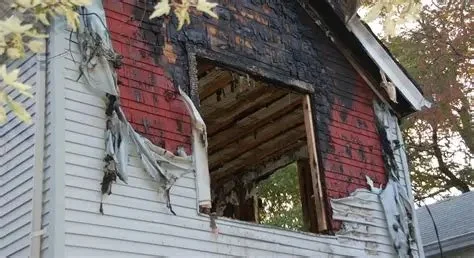
Siding serves as the outermost protective layer of your home, shielding it from the elements. However, when a fire or smoke damage occurs, it can significantly impact the integrity and appearance of your siding. Fire damage can range from charring and melting to complete destruction, depending on the intensity of the blaze. On the other hand, smoke damage can cause discoloration, soot accumulation, and lingering odors that are difficult to remove.
Repairing or replacing damaged siding is crucial not only for aesthetics but also for maintaining your home’s structural integrity. Addressing fire or smoke damage quickly helps prevent further deterioration and potential safety hazards. In this guide, we’ll take a closer look at how to repair siding after fire or smoke damage and what options are available to homeowners.
Bennett's Quality Construction
JacksonvilleDuval CountyFlorida
7843 Weather Vane Dr, Jacksonville, FL 32244, USA
2-Signs of Fire and Smoke Damage to Siding
Identifying the signs of fire or smoke damage is the first step in determining the extent of the damage and planning for repairs. Here are some common signs to look for:
- Visible Charring or Burns: In cases of fire damage, you may notice blackened or charred areas on your siding, especially if the flames were in direct contact with the surface.
- Discoloration: Smoke can leave behind dark stains or discoloration on your siding, which may be more noticeable in areas where the smoke was concentrated.
- Soot Accumulation: Soot from smoke can coat your siding, causing it to appear grimy or dirty. This soot is difficult to clean and may require professional attention.
- Warping or Melting: High heat from fire can cause siding materials, such as vinyl, to warp or melt, compromising the protective layer of your home.
If you notice any of these signs, it’s important to assess the damage and consider whether repairs can be done or if the siding needs to be replaced entirely.
Eco Roofing Inc
Los AngelesLos Angeles CountyCalifornia
15030 Ventura Blvd #10a, Sherman Oaks, CA 91403, USA
3-How to Repair Fire-Damaged Siding
The process of repairing fire-damaged siding largely depends on the type and extent of the damage. Here’s a general guide on how to repair or replace fire-damaged siding:
- Assess the Damage: First, determine the severity of the damage. Minor charred spots or discoloration can often be cleaned or touched up, while extensive damage may require full replacement of the affected panels.
- Clean the Soot: If the damage is mainly from smoke and soot, start by cleaning the affected areas with a mixture of water and detergent. In some cases, specialized soot-cleaning products may be required for stubborn stains.
- Replace Damaged Panels: For more severe damage, the best solution is often to replace the affected panels entirely. This may involve removing the damaged siding and installing new panels that match the rest of the home.
- Seal Gaps and Cracks: Even small cracks or gaps in the siding can lead to further damage. Make sure to seal any openings to prevent moisture infiltration and improve insulation.
Whether you’re cleaning soot or replacing entire sections, it’s important to take the time to ensure all damage is addressed to prevent further deterioration.
4-Choosing the Right Material for Siding Repair
When repairing or replacing siding after fire or smoke damage, it’s essential to choose the right material. Not all siding materials are created equal, and the best choice depends on your home’s aesthetic, budget, and durability needs. Here are some popular siding materials and their suitability for fire and smoke damage repairs:
- Vinyl Siding: Vinyl is a popular and affordable siding option, but it is vulnerable to fire and heat. If vinyl siding has melted or warped, it will need to be replaced. Vinyl can also discolor after smoke damage.
- Wood Siding: Wood is highly susceptible to fire damage and may require complete replacement if it has been charred. However, wood siding can often be restored with proper cleaning and refinishing if the damage is limited to smoke or soot.
- Fiber Cement Siding: This durable and fire-resistant material is an excellent option for areas prone to fire damage. It may require replacement if there is significant heat exposure, but fiber cement typically handles smoke damage well.
- Metal Siding: Metal siding is fire-resistant and may only need minor repairs after fire damage. It also cleans well, making it a good choice for homes affected by smoke damage.
Selecting the right material will help ensure that your home is protected and that repairs are both effective and long-lasting.
5-When to Hire a Professional for Siding Repair
While some minor siding repairs can be done by homeowners, fire and smoke damage often requires professional attention. Here are a few scenarios where hiring a professional is recommended:
- Extensive Damage: If the fire or smoke damage is extensive, hiring a professional ensures that all affected areas are properly assessed and repaired. Professionals have the expertise to handle complex repairs.
- Structural Damage: If the fire has compromised the structural integrity of the siding or the underlying structure, it’s essential to consult with a professional to ensure your home is safe and secure.
- Insurance Claims: If you’re filing an insurance claim for the repair, a licensed contractor can provide the necessary documentation and work with your insurance company to ensure the repair is covered.
Hiring a professional ensures that the job is done correctly, and it can save you time and money in the long run.
6-Preventative Measures for Fire and Smoke Damage to Siding
While you can’t completely eliminate the risk of fire or smoke damage, there are several preventative measures you can take to minimize the likelihood of damage to your siding:
- Fire-Resistant Siding: Consider installing fire-resistant siding materials like fiber cement or metal to reduce the risk of fire damage in the future.
- Maintain Defensible Space: Keep plants, trees, and other flammable materials away from your home to create a defensible space that helps protect your siding in the event of a fire.
- Regular Maintenance: Regularly inspect and maintain your siding to identify any vulnerabilities, such as cracks or gaps, that could allow smoke or heat to penetrate.
By investing in fire-resistant materials and taking proactive steps to maintain your siding, you can reduce the chances of significant damage in the event of a fire or smoke incident.
 Marc Joseph remodeling5.0 (1 reviews)
 PRS Roofing Inc5.0 (9 reviews)
 KAPS CONSTRUCTION4.0 (5 reviews)
 Marshall Exteriors, LLC4.0 (213 reviews)
 S.W.A.T. Roofing & Consulting4.0 (46 reviews)
 MATFI RENOVATIONS LLC5.0 (23 reviews)
 Siding Material Fire Ratings: What’s Required & What to Choose
 Roof Talk: Common Terminology Every Homeowner Should Know
 How Often Should You Replace Your Home's Siding? Expert Tips on Siding Longevity
 The Average Lifespan of Asphalt Shingle Roofs: How Long Do They Last?
 How to Choose a Reliable Roofing Contractor Near You | Top Tips and Questions
 Should I Repair or Replace My Roof? – Expert Guide for U.S. Homeowners