
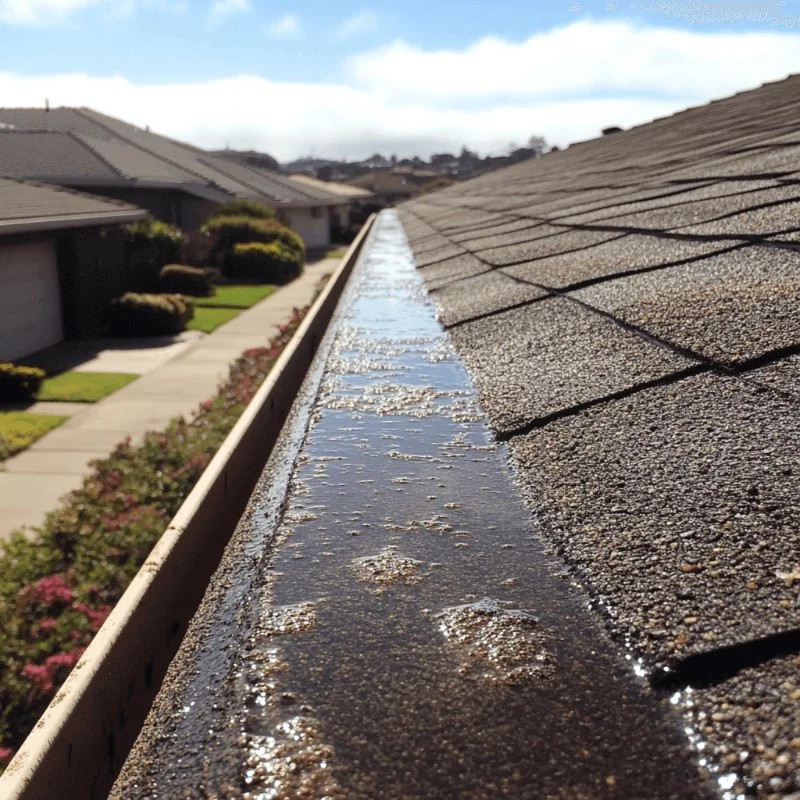
- 1. Understanding Roof Slope and Its Importance
- 2. The Risks of Water Pooling on Your Roof
- 3. How Proper Drainage Helps in Preventing Water Pooling
- 4. How to Maintain Roof Slope and Drainage
- 5. Solutions for Addressing Roof Water Pooling Issues
1. Understanding Roof Slope and Its Importance
Roof slope refers to the angle at which the roof surface is inclined. This slope is critical because it directs water to the roof's drainage system, helping to prevent water from accumulating on the surface. Roof slope is typically measured in terms of "rise over run," which determines how steep the roof is. A proper slope is essential for ensuring that water flows off the roof efficiently.
A well-designed roof slope ensures that rainwater, snow, and other forms of precipitation are directed toward the gutters and downspouts. Without proper slope, water can pool on the roof, leading to potential damage and other issues. Understanding how roof slope functions is the first step in maintaining a roof that will effectively protect your home.

2. The Risks of Water Pooling on Your Roof
When water pools on your roof, it can lead to a range of serious issues. These include:
- Roof Damage: Prolonged exposure to standing water can cause roofing materials to weaken, deteriorate, or even break down, leading to costly repairs.
- Water Leaks: If water is not properly drained, it can seep into the roof structure and cause leaks, resulting in interior water damage to walls, ceilings, and floors.
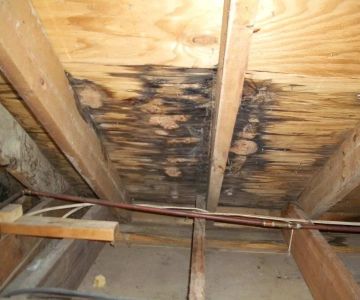
- Mold and Mildew: Moisture trapped on the roof can create the perfect environment for mold and mildew growth, leading to health hazards and more extensive repairs.
- Increased Weight: Water pooling adds additional weight to your roof, which can stress the roofing structure and, in extreme cases, lead to sagging or collapse.
These risks highlight the importance of preventing water pooling on your roof. Ensuring that your roof has the proper slope and drainage system is a key preventive measure to avoid these issues.
ACCENT roofing & remodeling
1141 N Loop 1604 E, San Antonio, TX 78232, USA
3. How Proper Drainage Helps in Preventing Water Pooling
Effective drainage is the cornerstone of preventing water pooling on your roof. Proper drainage systems ensure that water is efficiently channeled off the roof, reducing the risk of standing water. There are several components that contribute to proper drainage:
- Gutters: Gutters collect rainwater and direct it to downspouts, helping water flow off the roof. Regular cleaning of gutters is crucial for preventing blockages.
- Downspouts: Downspouts carry the water from the gutters to the ground, where it is directed away from the foundation of the home. These should be clear of debris to function properly.
- Roof Pitch: The angle of your roof pitch, or slope, ensures that water flows toward the gutters. If the pitch is too shallow, water may not flow efficiently and could accumulate on the roof.
- Roof Valleys: Roof valleys, where two roof slopes meet, can trap water if not properly sealed. These areas need to be well-maintained to allow water to flow smoothly.
A well-maintained drainage system prevents water from collecting on the roof, reducing the risk of leaks, water damage, and other roofing problems.
4. How to Maintain Roof Slope and Drainage
Proper maintenance is essential for keeping your roof slope and drainage system functioning efficiently. Here are a few tips to maintain your roof:
- Regular Inspections: Inspect your roof regularly, especially after heavy rains or storms, to check for signs of water pooling or damage to the slope.
- Clean Gutters: Clean your gutters and downspouts regularly to ensure that water can flow freely. Clogged gutters can prevent proper drainage and contribute to water pooling.
- Address Roofing Issues Quickly: If you notice sagging areas, damaged shingles, or other issues with your roof slope, have them repaired promptly to prevent water accumulation.
- Seal Roof Valleys: Make sure roof valleys are sealed properly to prevent water from pooling in these areas.
Regular maintenance will extend the life of your roof and help prevent water pooling issues that can lead to expensive repairs.
5. Solutions for Addressing Roof Water Pooling Issues
If you already have water pooling on your roof, there are several solutions that can help:
- Increase Roof Slope: If your roof slope is too shallow, consider adding a more pronounced pitch to encourage better water runoff.
- Install New Gutters: If your gutters are too small or poorly positioned, consider installing larger gutters or adding additional downspouts to handle more water.
- Roof Replacement: In some cases, especially if the roof is severely damaged, replacing the roof may be necessary to correct slope and drainage issues.
- Waterproofing: Adding a waterproof membrane to the roof can help prevent leaks and damage from trapped water.
By addressing water pooling issues early on, you can save your home from extensive damage and keep your roof in excellent condition for years to come.
For more information on roof maintenance, slope adjustments, and drainage solutions, visit Total Roofing Hub to find the best products and services for your needs.

 Dustin Wells Construction4.0 (107 reviews)
 Legacy Gutter Solutions Inc.5.0 (363 reviews)
 Busy Bee Roofing4.0 (13 reviews)
 Columbia Siding Co5.0 (1 reviews)
 C N M Team Commercial Roofing LLC5.0 (3 reviews)
 Mr. Handyman of Sandy Springs, Dunwoody and N Atlanta4.0 (901 reviews)
 How to Match Roof Shingles with Your Siding Color: Tips for a Cohesive Home Look
 The Complete Guide to Metal Roofing Systems
 Environmental Benefits of Cool Roofs: Why You Should Consider Installing One
 Siding Boards That Hide Imperfections & Warping: Best Choices for a Clean Finish
 Pros & Cons of Synthetic Slate or Rubber Roofing
 What to Expect During a Roof Inspection