
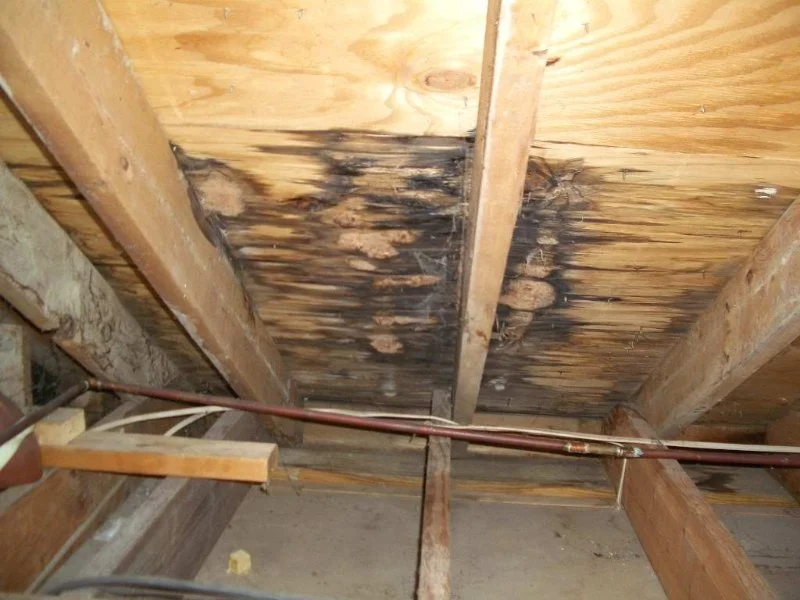
Best Practices for Roof Leak Detection Early in Attic
- Why Roof Leaks Occur
- Signs of Roof Leaks in the Attic
- Roof Leak Detection Methods
- Preventing Roof Leaks in the Attic
- Real-Life Examples and Case Studies
1. Why Roof Leaks Occur
Roof leaks are a common issue that can cause significant damage if not identified and addressed early. They can occur for various reasons, such as poor roofing materials, improper installation, aging roofs, or storm damage. Understanding the causes behind roof leaks is essential for homeowners and property managers to be proactive in preventing further damage.
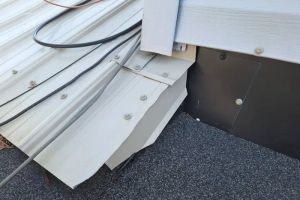
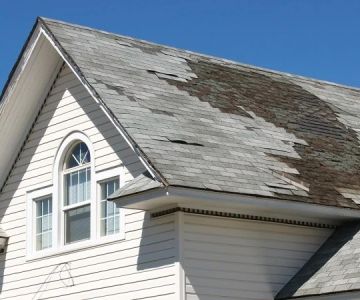
Common reasons for roof leaks include damaged shingles, worn-out flashing, clogged gutters, and even ice dams in colder climates. Regular inspections and awareness of potential issues can help you catch these leaks before they worsen.
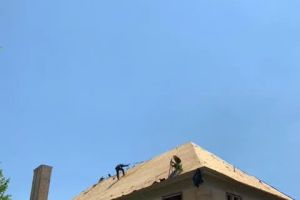
Hernandez Roofers inc
WhittierLos Angeles CountyCalifornia
10128 Regatta Ave unit #4, Whittier, CA 90604, USA
2. Signs of Roof Leaks in the Attic
Detecting roof leaks early, especially in the attic, is crucial for preventing structural damage and mold growth. Here are some signs that you should look for to identify roof leaks in the attic:
Water Stains on the Ceiling
If you notice water stains or discoloration on your attic ceiling, this is one of the first signs that a leak is present. These stains can appear as yellow or brown patches and may be more pronounced after heavy rain. The stains may also indicate that water is pooling in certain areas of the attic.
Mold and Mildew Growth
Roof leaks often lead to increased moisture levels in the attic, creating an ideal environment for mold and mildew to grow. If you notice a musty odor or visible mold on wooden beams, insulation, or other attic surfaces, it’s time to inspect for leaks.
Insulation Damage
Wet or damp insulation is another sign of a roof leak. If the insulation in your attic is soggy or compressed, it may indicate that water is entering through the roof. Insulation is crucial for energy efficiency, so early detection of water damage can help preserve its effectiveness.
Visible Light Through the Roof
If you can see daylight coming through the roof while in the attic, this is a clear sign of a leak. Even small holes or cracks can allow water to seep in, and the presence of light indicates a compromised roof structure.
3. Roof Leak Detection Methods
Once you’ve identified signs of a roof leak, the next step is to detect its exact source. Here are some common methods for detecting roof leaks early:
Visual Inspection
Start with a thorough visual inspection of the attic. Look for signs of water stains, mold, or mildew on the attic floor, rafters, and insulation. Inspect the roof from the inside and check for any visible holes or gaps. Be sure to inspect the roof during both dry and wet conditions to catch leaks at different stages.
Use of a Moisture Meter
A moisture meter is a tool that can help you detect the presence of moisture in various materials, including wood, drywall, and insulation. By measuring moisture levels in different parts of the attic, you can identify areas where water may be accumulating due to a roof leak.
Thermal Imaging Cameras
Thermal imaging cameras can detect temperature differences caused by moisture trapped in the attic. These cameras allow you to see areas where water is likely entering through the roof, even if the leak isn’t visible to the naked eye. This technology is especially useful for locating hidden leaks behind walls or insulation.
Roof Leak Detection via Water Test
Another method involves simulating rain by spraying water on different sections of the roof. This can help pinpoint the location of the leak from the outside. You can do this yourself, but it’s best to have a professional do it if you are unsure about how to apply the water properly.
4. Preventing Roof Leaks in the Attic
Prevention is the best way to deal with roof leaks. Regular maintenance and timely repairs can help prevent water damage and costly repairs. Here are some tips to prevent roof leaks in the attic:
Regular Roof Inspections
Schedule regular roof inspections to check for any signs of wear and tear. Ideally, inspect your roof at least twice a year and after heavy storms. Look for missing shingles, damaged flashing, or any visible cracks in the roof.
Clean Gutters and Downspouts
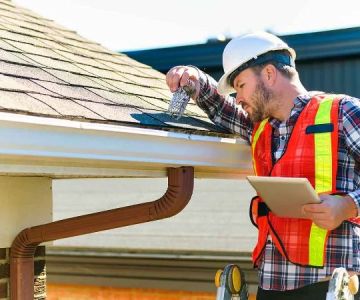
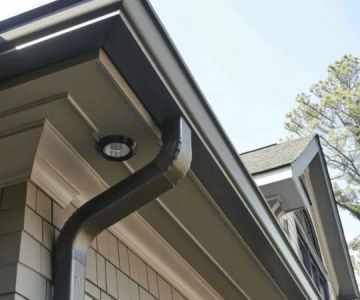
Clogged gutters can cause water to back up and seep into the attic, leading to leaks. Clean gutters and downspouts regularly to ensure proper water drainage. This simple maintenance task can prevent costly water damage.
Proper Attic Ventilation
Good attic ventilation helps regulate temperature and humidity levels, preventing condensation and ice dams. Ensure your attic has proper airflow to reduce the risk of moisture buildup and roof leaks. Install vents if necessary to improve circulation.
5. Real-Life Examples and Case Studies
Understanding how roof leaks can affect your home and learning from others’ experiences can help you take proactive steps to prevent leaks. Here are some examples:
Case Study 1: Tim’s Attic Leak Discovery
Tim, a homeowner, noticed a musty smell in his attic but couldn’t find the source. After inspecting his attic, he discovered water stains on the insulation. Using a moisture meter, he found high moisture levels near the roofline. He immediately contacted a professional to repair the roof and prevent further damage.
Case Study 2: Julie’s Prevention Strategy
Julie had experienced several small leaks in her attic over the years. After each incident, she made sure to schedule regular roof inspections and cleaning of the gutters. This proactive approach helped her avoid larger problems, such as mold growth and insulation damage, saving her thousands in repair costs.
By understanding the signs, methods, and preventative measures, you can protect your attic and home from costly roof leaks. For more roofing services, inspections, and products, visit Total Roofing Hub for the best solutions to keep your roof in top shape.


 Genest Construction Co5.0 (2 reviews)
 MLM Home Improvement4.0 (76 reviews)
 1st Choice Home Improvements4.0 (264 reviews)
 Tim's Fast Repair Leak Roofing5.0 (11 reviews)
 Nailed Down Roofing5.0 (138 reviews)
 Alpha Rain Metal Roofing4.0 (44 reviews)
 How to Budget for a Roof Replacement Project – Expert Tips and Advice
 Siding Material Maintenance in Maple Wood, Cedar or Composite: Tips for Long-Lasting Protection
 Cost vs Longevity: Premium Roofing Materials Worth the Extra Cost
 What to Expect During a Roof Inspection – A Complete Guide for Homeowners
 How to Evaluate Existing Roof Structure Before Major Upgrades
 How to Manage Roof Load and Prevent Damage from Snow or Debris