- 1. Understanding Roof Inspections and Their Importance
- 2. When to Schedule a Roof Inspection
- 3. The Roof Inspection Process: What Happens Step-by-Step
- 4. Common Issues Found During a Roof Inspection
- 5. How to Prepare for a Roof Inspection
- 6. Real-Life Example: A Homeowner’s Roof Inspection Experience
- 7. Recommended Roofing Services and Contractors
1. Understanding Roof Inspections and Their Importance
Roof inspections are essential for maintaining the integrity of your home. They provide an in-depth look at the condition of your roof and help identify issues before they turn into costly problems. Regular roof inspections can extend the lifespan of your roof, ensure it’s performing at its best, and give you peace of mind. Whether you’re a new homeowner or need a routine check-up, understanding the roof inspection process is key.
Charis Roofing
Huntington ParkLos Angeles CountyCalifornia
6906 Santa Fe Ave #22, Huntington Park, CA 90255, USA
1.1 Why Roof Inspections Are Necessary
Roof inspections are critical for identifying early signs of damage or wear that might not be visible from the ground. They help prevent more serious issues such as leaks, mold, or structural damage. By identifying problems early, you can address them before they escalate into major repairs or replacements. For homeowners, this proactive approach saves money and ensures the roof continues to perform its protective role efficiently.
MDJ Roofing and Construction
LawrencevilleGwinnett CountyGeorgia
561 Grayson Hwy, Lawrenceville, GA 30046, USA
1.2 Benefits of Regular Roof Inspections
Regular roof inspections offer several benefits, including:
- Early Problem Detection: Spotting issues like cracked shingles or water damage early can prevent costly repairs.
- Increased Roof Lifespan: Maintaining your roof regularly can help it last longer, saving you the expense of premature replacement.
- Insurance and Warranty Compliance: Regular inspections ensure your roof remains covered under warranties and insurance policies.
2. When to Schedule a Roof Inspection
Knowing when to schedule a roof inspection can help you stay ahead of potential roofing problems. Here are some key times to consider an inspection:
2.1 After Severe Weather Events
If your area has experienced a major storm, hail, or high winds, it’s important to have your roof inspected. Severe weather can cause unexpected damage, such as loose shingles or debris buildup, which can lead to leaks or other issues.
2.2 Before Buying or Selling a Home
If you’re buying or selling a home, a roof inspection is essential. For sellers, an inspection can help identify issues to address before listing the property. For buyers, it provides peace of mind, knowing the roof is in good condition or that any necessary repairs will be addressed.
2.3 Regular Maintenance
Even without any obvious signs of trouble, scheduling a roof inspection every few years is recommended for long-term maintenance. Regular inspections ensure that the roof remains in good shape and that any small issues are dealt with before they worsen.
3. The Roof Inspection Process: What Happens Step-by-Step
A roof inspection typically takes 30 minutes to an hour, depending on the size and complexity of the roof. Here’s what you can expect during the process:
3.1 Visual Inspection
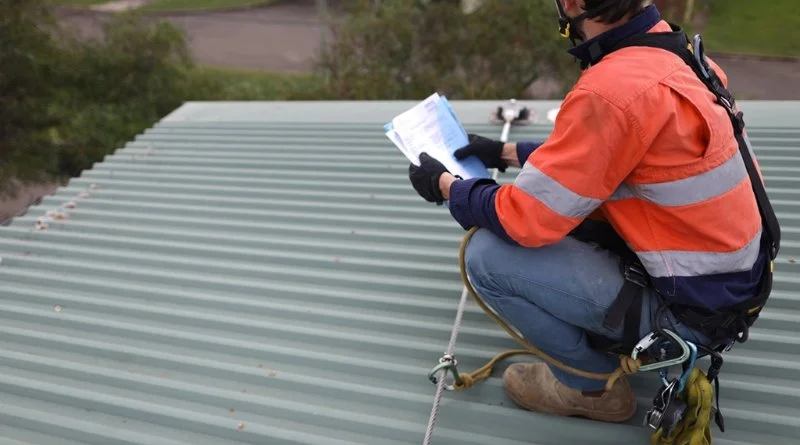
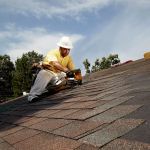
The first step is a visual inspection, where the roofing contractor will evaluate the overall condition of your roof. They will look for missing or damaged shingles, sagging, water stains, moss or algae growth, and other potential issues. This visual inspection is done from the ground, ladders, or using specialized tools like drones for hard-to-reach areas.
3.2 Inside the Attic
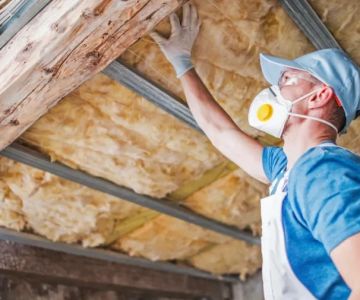
The inspector will also check your attic for signs of water damage or leaks. This includes checking for wet insulation, water stains on the ceiling or beams, and any signs of mold or mildew. A healthy attic ensures proper ventilation and prevents heat buildup, which can affect the roof’s lifespan.
3.3 Examining Gutters and Downspouts
The gutters play a critical role in directing water away from your roof. The inspector will check for any clogs, damage, or misalignment that could cause water to back up and damage the roof or foundation.
3.4 Roof Structure Assessment
In some cases, the inspector may also evaluate the underlying roof structure, including the decking, to ensure it’s stable and secure. This is especially important if there are signs of sagging or structural failure.
4. Common Issues Found During a Roof Inspection
During a roof inspection, several common issues can arise. Here are some of the most frequent problems found:
4.1 Missing or Damaged Shingles
Shingles can be torn off by strong winds or deteriorate due to age. Missing or damaged shingles leave the roof vulnerable to water leaks and other damage.
4.2 Roof Leaks
Leaks are a common issue, especially in older roofs. Water damage can occur around chimneys, vents, or skylights, or due to poorly sealed areas. Leaks should be repaired immediately to avoid further damage to the home.
4.3 Clogged Gutters
Gutters that are clogged with leaves or debris can cause water to back up, damaging the roof and leading to potential leaks. Regular cleaning is necessary to keep the gutters functioning properly.
4.4 Poor Ventilation
Inadequate ventilation can cause heat and moisture buildup in the attic, which can lead to roof damage, mold growth, and increased energy bills. Inspectors will check the attic for proper ventilation and recommend solutions if necessary.
5. How to Prepare for a Roof Inspection
Preparing for a roof inspection can help ensure that the process goes smoothly and that the inspector can access all areas of the roof. Here’s how to prepare:
5.1 Clear the Area Around the Roof
Remove any debris, furniture, or obstacles around the area of the roof that the inspector will need to access. This ensures that the inspector can safely and easily inspect your roof and gutters.
5.2 Access to the Attic
Make sure the inspector can easily access your attic if necessary. If your attic is cramped or cluttered, consider clearing a path so the inspector can properly assess the condition of the space.
5.3 Be Ready to Ask Questions
Prepare questions for the inspector about any concerns you may have regarding your roof’s condition. Asking questions can help you better understand the health of your roof and what maintenance may be required.
6. Real-Life Example: A Homeowner’s Roof Inspection Experience
John, a homeowner in California, recently scheduled a roof inspection due to a leak he noticed in his ceiling. The inspector discovered that the roof had several damaged shingles and poor ventilation in the attic, which was causing moisture buildup. The inspector recommended a roof replacement and added proper attic ventilation. Thanks to the thorough inspection, John was able to address the issues before they caused further damage, saving him money in the long run.
7. Recommended Roofing Services and Contractors
If you’re looking for a reliable roofing contractor to conduct your roof inspection or replacement, visit Total Roofing Hub for a curated list of top-rated roofing services in your area. Our platform connects you with trusted professionals who provide quality roofing solutions, backed by years of experience and customer satisfaction. Whether you need a roof inspection or a full replacement, Total Roofing Hub can help you find the best contractor for your needs.
 Marc Joseph remodeling5.0 (1 reviews)
 PRS Roofing Inc5.0 (9 reviews)
 KAPS CONSTRUCTION4.0 (5 reviews)
 Marshall Exteriors, LLC4.0 (213 reviews)
 S.W.A.T. Roofing & Consulting4.0 (46 reviews)
 MATFI RENOVATIONS LLC5.0 (23 reviews)
 Siding Material Fire Ratings: What’s Required & What to Choose
 Roof Talk: Common Terminology Every Homeowner Should Know
 How Often Should You Replace Your Home's Siding? Expert Tips on Siding Longevity
 The Average Lifespan of Asphalt Shingle Roofs: How Long Do They Last?
 How to Choose a Reliable Roofing Contractor Near You | Top Tips and Questions
 Should I Repair or Replace My Roof? – Expert Guide for U.S. Homeowners