
- 1. Understanding Architectural Eras and Their Influence on Siding
- 2. Popular Siding Styles for Historical Homes
- 3. Choosing the Right Siding for Your Home’s Architectural Era
- 4. Tips for Installing and Maintaining Historical Siding
1. Understanding Architectural Eras and Their Influence on Siding
The architectural style of your home plays a significant role in choosing the right siding. From colonial homes to mid-century modern, every era has its distinct characteristics that dictate which siding styles will complement the structure. Understanding these architectural eras is key to making a choice that not only enhances your home’s aesthetic but also maintains its historical integrity.
Each architectural era is characterized by specific design elements, materials, and construction techniques. These features influence the selection of siding, as certain materials and textures are best suited to reflect the style of the time. Whether your home is Victorian, Craftsman, or Colonial Revival, choosing siding that complements its architectural style can create a cohesive and visually pleasing appearance.
Mighty Dog Roofing of Northwest Atlanta
1880 W Oak Pkwy Suite 203, Marietta, GA 30062, USA
2. Popular Siding Styles for Historical Homes
Different architectural eras feature distinct siding styles that can help preserve the historical character of your home. Here are some common siding styles that are well-suited to specific architectural eras:
Victorian Homes: For Victorian-era homes, the most common siding style is wood clapboard, often painted in bold, contrasting colors. Victorian homes feature intricate details, and the siding should reflect this elaborate style. Additionally, decorative touches such as scalloped shingles or patterned wood can complement the ornate trim and gables typical of Victorian design.
Craftsman Homes: Craftsman homes, popular in the early 20th century, often feature horizontal wood siding or stucco. The simple, handcrafted style of Craftsman homes is best complemented by natural materials like wood or stone. Siding with earthy tones and clean lines complements the organic design principles of Craftsman architecture.
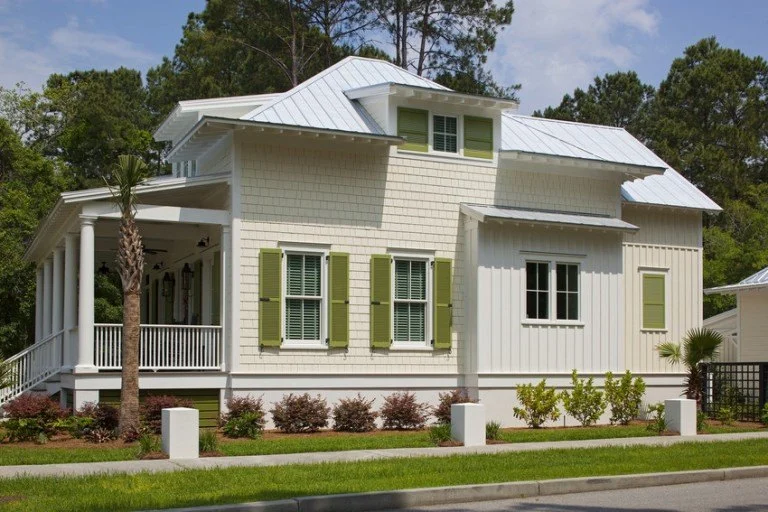
Colonial Revival Homes: Colonial Revival homes typically feature wood clapboard siding with a smooth finish, often in white or muted colors like grey, beige, or taupe. These homes are inspired by early American Colonial homes and reflect a sense of symmetry and formality. Shaker-style siding can also work well for this architectural style, lending a timeless, classic look to the home.
Mid-Century Modern Homes: For mid-century modern homes, the siding typically includes flat, minimalist panels with materials like metal, glass, and concrete. Bold colors like red, blue, and yellow are often used for accents. However, natural wood siding can be integrated for warmth and texture, complementing the sleek, geometric forms typical of mid-century modern design.

Eagle Exteriors
West ChesterChester CountyPennsylvania
1503 McDaniel Dr #2, West Chester, PA 19382, USA
3. Choosing the Right Siding for Your Home’s Architectural Era
When choosing siding for your home, it is essential to consider both aesthetic and functional factors. Here are some tips to ensure your siding complements your home’s architectural era:
Consider the Material: Different materials evoke different periods in history. For example, wood siding is common in Colonial, Victorian, and Craftsman styles, while more modern materials like vinyl or fiber cement siding are more appropriate for contemporary homes. For historical homes, consider using traditional materials that align with the architectural era to maintain authenticity.
Match the Texture: The texture of the siding can dramatically affect the look of your home. For example, smooth, flat siding works well with modern designs, while textured, hand-hewn wood siding is a better choice for rustic or traditional styles like Craftsman or Colonial. Pay attention to the texture of the material to make sure it aligns with the overall feel of the home.
Color and Finish: Choose colors and finishes that complement your home’s exterior trim and other architectural features. For example, deep, rich colors like dark green or burgundy work well with Victorian homes, while lighter, natural tones are a better match for Colonial Revival or Craftsman homes. Avoid colors that clash with your home’s existing features, and always keep in mind the era’s typical color palette.
For high-quality siding materials and expert advice, visit Total Roofing Hub. They offer a wide range of siding options tailored to complement various architectural styles and ensure the best fit for your home.
4. Tips for Installing and Maintaining Historical Siding
Installing and maintaining siding that complements your home’s architectural era requires careful attention to detail. Here are some essential tips to ensure that your siding not only looks great but also lasts for years:
Hire Professionals: While DIY projects are tempting, installing siding correctly often requires experience, especially with historical homes. Hiring a professional ensures that the siding is installed properly, preserving the architectural integrity of your home.
Regular Maintenance: Maintaining the siding of your home is essential for its longevity. Regularly inspect your siding for signs of wear, damage, or rot. Wood siding, in particular, requires more attention, as it can be susceptible to moisture damage and pests. Painting or sealing the wood every few years helps protect it from the elements.
Preserve Historical Features: If you're working with a historical home, always consider restoring original siding features whenever possible. This can help maintain the historical value of your home while enhancing its aesthetic appeal. In some cases, it might be necessary to replace damaged sections of siding with historically accurate materials to match the original design.


 Genest Construction Co5.0 (2 reviews)
 MLM Home Improvement4.0 (76 reviews)
 1st Choice Home Improvements4.0 (264 reviews)
 Tim's Fast Repair Leak Roofing5.0 (11 reviews)
 Nailed Down Roofing5.0 (138 reviews)
 Alpha Rain Metal Roofing4.0 (44 reviews)
 How to Budget for a Roof Replacement Project – Expert Tips and Advice
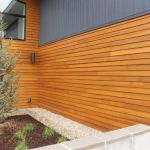 Siding Material Maintenance in Maple Wood, Cedar or Composite: Tips for Long-Lasting Protection
 Cost vs Longevity: Premium Roofing Materials Worth the Extra Cost
 What to Expect During a Roof Inspection – A Complete Guide for Homeowners
 How to Evaluate Existing Roof Structure Before Major Upgrades
 How to Manage Roof Load and Prevent Damage from Snow or Debris