
- 1. What is a Cool Roof?
- 2. Energy Savings with Cool Roofs
- 3. Mitigating the Urban Heat Island Effect
- 4. Reducing Carbon Footprint with Cool Roofs
- 5. Real-Life Case Study: Cool Roof in Action
- 6. How Total Roofing Hub Can Help
1. What is a Cool Roof?
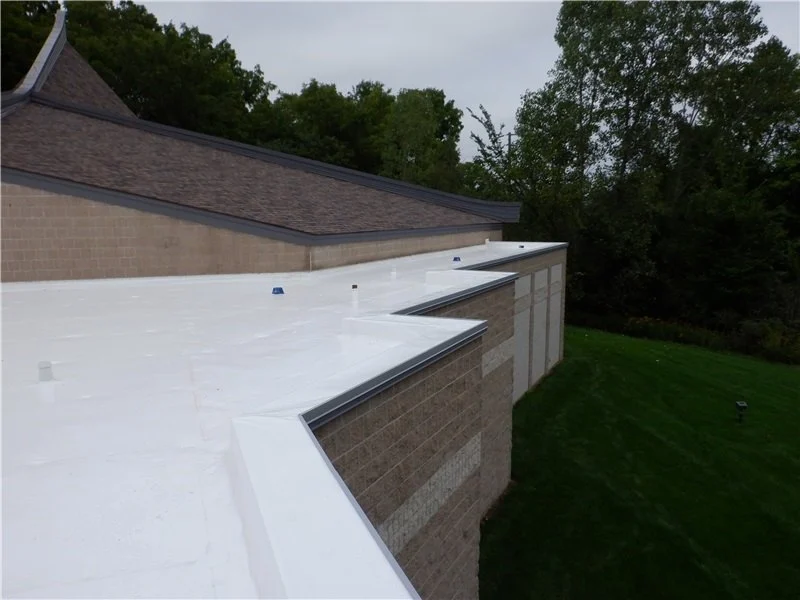
A cool roof is a roofing system designed to reflect more sunlight and absorb less heat compared to traditional roofing materials. This is achieved by using reflective coatings or reflective materials like white or light-colored tiles, shingles, or membranes. Cool roofs are particularly beneficial in areas with high temperatures, as they help reduce the amount of heat that is absorbed by buildings and their surroundings.
Cool roofs are also known as reflective roofs because they reflect solar energy, which can lead to lower temperatures inside buildings, thereby reducing the need for air conditioning. This not only lowers energy costs but also has a significant positive impact on the environment.

Green Remodeling Solutions
Los AngelesLos Angeles CountyCalifornia
7445 Topanga Canyon Blvd suit 280, Canoga Park, CA 91303, USA
2. Energy Savings with Cool Roofs
One of the primary environmental benefits of a cool roof is the substantial reduction in energy consumption. By reflecting more sunlight and absorbing less heat, cool roofs help keep buildings cooler during the hot summer months. This reduction in heat absorption directly translates to less reliance on air conditioning systems.
In fact, studies have shown that cool roofs can lower a building's cooling energy costs by as much as 20%. This is especially beneficial for homes and commercial buildings in hot climates where air conditioning systems are in use for extended periods. By cutting down on the need for cooling, cool roofs help reduce the overall energy demand and the associated greenhouse gas emissions.
3. Mitigating the Urban Heat Island Effect
The Urban Heat Island (UHI) effect occurs when urban areas experience significantly higher temperatures than their rural surroundings due to human activities and the dense concentration of buildings and infrastructure. This localized increase in temperature can contribute to higher energy demand, poor air quality, and an increased risk of heat-related illnesses.
Cool roofs play a crucial role in mitigating the Urban Heat Island effect by reflecting sunlight and absorbing less heat, which reduces the overall temperature of urban environments. By installing cool roofs on buildings, cities can lower their ambient temperatures, helping to reduce energy demand and improve the quality of life for their residents.
In fact, research has shown that widespread use of cool roofs in urban areas can reduce the UHI effect by several degrees, making cities more livable and less prone to extreme heat events.
4. Reducing Carbon Footprint with Cool Roofs
Cool roofs not only save energy but also contribute to reducing a building's carbon footprint. By lowering the need for air conditioning, cool roofs reduce the amount of electricity needed, which, in turn, reduces the emission of harmful greenhouse gases associated with electricity generation. The less energy a building uses, the fewer carbon emissions are produced, which helps fight climate change.
Furthermore, cool roofs have a longer lifespan compared to traditional roofs because they experience less thermal stress and are less prone to damage from the sun's heat. This means that cool roofs need to be replaced less frequently, reducing the amount of construction waste and resources needed for replacements.
By opting for cool roofing systems, property owners can contribute to global sustainability efforts and decrease the carbon footprint of their homes or businesses.
5. Real-Life Case Study: Cool Roof in Action
Let's consider a real-life example of how cool roofs can make a significant environmental impact. In Los Angeles, a commercial building installed a cool roof as part of a larger sustainability initiative. Over the course of the first year, the building saw a 15% reduction in cooling costs. The cooler temperatures inside the building also contributed to improved productivity and comfort for employees.
Additionally, the city of Los Angeles implemented a cool roof program across multiple commercial and residential buildings, helping to lower the urban heat island effect. As a result, energy consumption across the city decreased, contributing to cleaner air and a reduction in the city's overall energy costs.
This case study highlights the substantial environmental benefits that cool roofs can offer. Not only do they help save money on energy bills, but they also make cities more sustainable and livable for their residents.
6. How Total Roofing Hub Can Help
At Total Roofing Hub, we understand the importance of sustainable and energy-efficient roofing solutions. If you are considering a cool roof for your home or business, we can help you find the best products and services tailored to your needs. Our network of trusted roofing professionals can guide you through the selection, installation, and maintenance of cool roofing systems to ensure that you reap the maximum environmental benefits.
Visit our website today to explore a wide range of roofing solutions and get personalized recommendations for your property. Together, we can create a more sustainable future, one cool roof at a time.

 Skyline Designs Roofing5.0 (99 reviews)
 Perfect Roofing Installations4.0 (60 reviews)
 Dog Tags Construction LLC4.0 (16 reviews)
 Gutter Shutter of Central Maryland5.0 (9 reviews)
 Sam Cline Handyman Services4.0 (37 reviews)
 Paramount Builders Inc.4.0 (302 reviews)
 Should I Repair or Replace My Roof?
 Top 10 Signs Your Roof Needs Immediate Repair Before It’s Too Late
 The Pros and Cons of Vinyl Siding: Is It the Right Choice for Your Home?
 How to Choose a Reliable Roofing Contractor Near You – Expert Tips
 Top 10 Signs Your Roof Needs Immediate Repair You Shouldn’t Ignore
 How to Spot Hail Damage on Your Roof | Quick Guide for Homeowners