- 1. What is a Roof Sheathing Moisture Barrier?
- 2. The Importance of a Moisture Barrier in Roofing
- 3. Types of Roof Sheathing Moisture Barriers
- 4. How Roof Sheathing Moisture Barriers Work
- 5. Benefits of Using a Moisture Barrier in Roof Installation
- 6. Common Challenges and Solutions with Roof Sheathing Moisture Barriers
- 7. Choosing the Right Roof Sheathing Moisture Barrier
1. What is a Roof Sheathing Moisture Barrier?
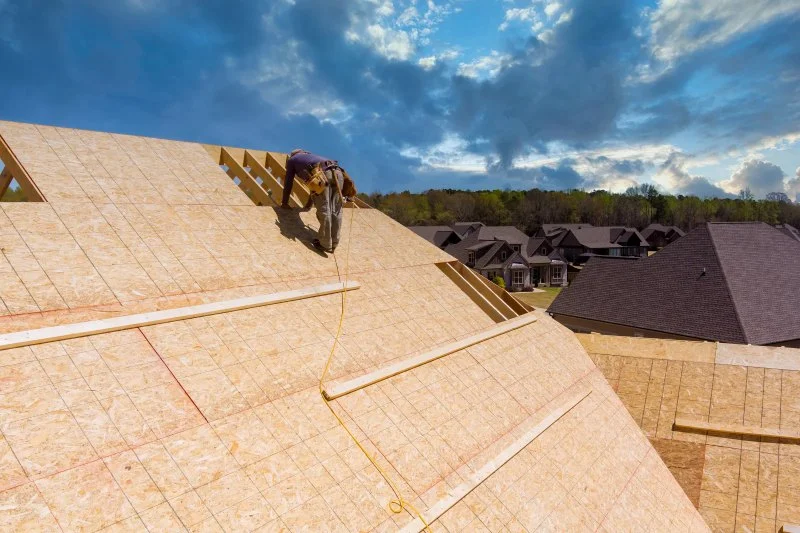
A roof sheathing moisture barrier is a protective layer installed between the roofing material (such as shingles or tiles) and the sheathing, which is the wooden or plywood surface that supports the roof. The primary purpose of this barrier is to prevent moisture from seeping into the roof structure, thus protecting the integrity of the building and prolonging the lifespan of the roof.
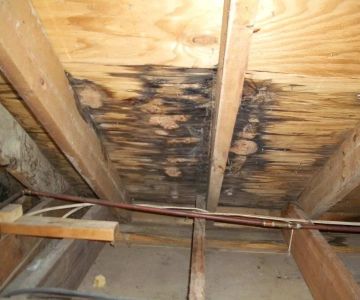
Moisture barriers are crucial for shielding the roof from rain, snow, and humidity, which can lead to water damage and mold growth. By installing a moisture barrier, you are ensuring that the roof sheathing stays dry and intact, reducing the risk of costly repairs in the future.
2. The Importance of a Moisture Barrier in Roofing
The roof is one of the most exposed parts of a building, constantly battling the elements. Water intrusion is a leading cause of roof damage, and without proper protection, moisture can cause a range of problems, from wood rot to mold formation and even structural damage. A moisture barrier acts as a safeguard against these issues, providing several key benefits:
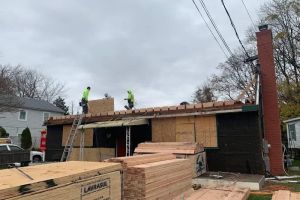
Hempstead Roofing - Bustillo General Home Improvement
HempsteadNassau CountyNew York
30 Truro Ln, Hempstead, NY 11550, USA
2.1. Protection Against Water Damage
The primary function of a roof sheathing moisture barrier is to prevent water from infiltrating the roof system. Even small leaks can cause significant damage over time, leading to rot and deterioration of the roof structure. Moisture barriers help to keep water out, preserving the integrity of the roof and the building beneath it.
2.2. Prevents Mold and Mildew Growth
When water gets trapped within the layers of the roof, it creates an ideal environment for mold and mildew growth. These fungal growths can spread quickly and lead to health problems, as well as structural damage. Moisture barriers significantly reduce the risk of mold by keeping moisture at bay.
2.3. Energy Efficiency Benefits
In addition to preventing moisture damage, a well-installed moisture barrier can help improve a home’s energy efficiency. By keeping the roof dry, the barrier reduces the chance of thermal bridging, where heat escapes from the building. This can result in lower heating and cooling costs, making your home more comfortable and energy-efficient.
3. Types of Roof Sheathing Moisture Barriers
There are various types of moisture barriers available, each suited for different climates, roofing materials, and building needs. The most common types include:
3.1. Felt Paper
Felt paper, also known as roofing felt, is one of the oldest and most widely used moisture barriers. It is made from a base material (such as organic paper or fiberglass) that is saturated with asphalt to make it waterproof. Felt paper is easy to install and provides a good level of moisture protection at an affordable price.
3.2. Synthetic Underlayment
Synthetic underlayment is a newer type of moisture barrier that has become increasingly popular due to its superior performance. Made from polymer materials, it is lighter, more durable, and more resistant to UV rays than traditional felt paper. Synthetic underlayment also offers better water resistance, which is ideal for areas with high rainfall or extreme weather conditions.
3.3. Self-Adhesive Membranes
Self-adhesive membranes are another highly effective option for preventing moisture damage. These membranes are coated with a strong adhesive, allowing them to bond directly to the roof sheathing. They provide an excellent waterproof barrier, especially in areas where leaks are more likely, such as around vents, chimneys, and skylights.
3.4. Peel-and-Stick Barriers
Peel-and-stick barriers are similar to self-adhesive membranes but are specifically designed for easy installation. They are particularly useful for sealing difficult-to-reach areas or roofs with complex designs. These barriers provide excellent protection against moisture while being easy to apply without the need for additional adhesives or fasteners.
4. How Roof Sheathing Moisture Barriers Work
Roof sheathing moisture barriers work by creating an impermeable layer between the roofing material and the underlying structure. When water from rain, snow, or condensation contacts the outer roof surface, the moisture barrier prevents it from penetrating into the sheathing and framing. This is essential in stopping water from seeping into the building’s interior, where it could cause structural damage, mold growth, and other issues.
The barrier functions as a shield, allowing water to flow off the roof without infiltrating the sheathing. Additionally, moisture barriers are designed to be breathable, allowing vapor to escape from inside the building, thus preventing moisture buildup and condensation within the roof system.
5. Benefits of Using a Moisture Barrier in Roof Installation
There are many benefits to incorporating a roof sheathing moisture barrier during roof installation:
5.1. Long-Term Roof Protection
Installing a moisture barrier helps extend the lifespan of the roof. By preventing moisture damage, a moisture barrier ensures that the roof’s materials stay in good condition for a longer period, reducing the frequency of repairs and replacements.
5.2. Increased Property Value
Homes with properly installed moisture barriers are less likely to experience water damage, which can negatively affect the home’s value. A moisture barrier adds value by providing long-term protection against roof leaks, water intrusion, and structural issues.
5.3. Peace of Mind
Knowing that your roof is well-protected against moisture gives you peace of mind. A roof sheathing moisture barrier provides added security that you won’t face expensive water damage repairs down the line, which is particularly important for homeowners in areas prone to heavy rainfall or snow.
6. Common Challenges and Solutions with Roof Sheathing Moisture Barriers
While moisture barriers are effective at preventing damage, there are a few challenges that homeowners and contractors may face during installation and maintenance:
6.1. Incorrect Installation
Improper installation can lead to gaps, overlaps, or insufficient coverage, which reduces the effectiveness of the moisture barrier. It’s essential to hire a skilled professional who understands how to properly install the barrier to ensure full coverage and performance.
6.2. Damage During Installation
Accidental punctures or tears during roof installation can compromise the barrier’s waterproofing ability. Care should be taken during installation to avoid damaging the barrier, and any damage should be promptly repaired.
6.3. Moisture Buildup in Certain Areas
In some cases, moisture can accumulate around vents, chimneys, or other roof penetrations. To address this, use self-adhesive membranes or peel-and-stick barriers around these vulnerable areas to ensure they remain waterproof and secure.
7. Choosing the Right Roof Sheathing Moisture Barrier
Choosing the right moisture barrier for your roof depends on several factors, including climate, roofing materials, and budget. Here are a few considerations to keep in mind when selecting a moisture barrier:
7.1. Climate Considerations
If you live in an area with heavy rainfall or extreme weather conditions, you may need a more durable and water-resistant barrier. Self-adhesive membranes and synthetic underlayment are excellent choices for wet climates or regions prone to snow.
7.2. Roofing Material
The type of roofing material you have may influence the moisture barrier you choose. For example, if you're installing shingles, felt paper may be sufficient, while more complex roofing materials, such as metal or tile, might require more advanced barriers like peel-and-stick membranes.
7.3. Budget
Cost is always a consideration when selecting roofing materials. While synthetic underlayment and self-adhesive membranes may be more expensive, they offer superior protection and longevity, making them a worthwhile investment in the long run. Choose the barrier that fits your needs and budget while providing the best protection for your home.
If you’re looking for quality moisture barriers and roofing materials, visit Total Roofing Hub for a wide range of options and professional advice on roof installation and maintenance.
 Dustin Wells Construction4.0 (107 reviews)
 Legacy Gutter Solutions Inc.5.0 (363 reviews)
 Busy Bee Roofing4.0 (13 reviews)
 Columbia Siding Co5.0 (1 reviews)
 C N M Team Commercial Roofing LLC5.0 (3 reviews)
 Mr. Handyman of Sandy Springs, Dunwoody and N Atlanta4.0 (901 reviews)
 How to Match Roof Shingles with Your Siding Color: Tips for a Cohesive Home Look
 The Complete Guide to Metal Roofing Systems
 Environmental Benefits of Cool Roofs: Why You Should Consider Installing One
 Siding Boards That Hide Imperfections & Warping: Best Choices for a Clean Finish
 Pros & Cons of Synthetic Slate or Rubber Roofing
 What to Expect During a Roof Inspection