
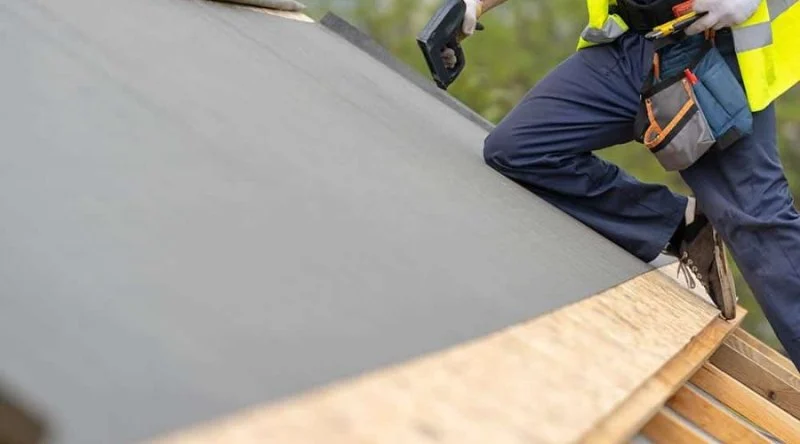
How to Choose Roofing Underlayment Based on Climate
- 1- Understanding Roofing Underlayment
- 2- How Climate Affects Roofing Choices
- 3- Types of Roofing Underlayment
- 4- How Different Climates Influence Your Choice
- 5- Tips for Proper Installation
1- Understanding Roofing Underlayment
Roofing underlayment is a critical component in protecting your home from weather elements. It is the layer of material installed between the roof deck and the shingles or other roofing materials. Its purpose is to provide an extra layer of protection against water, ice, and extreme temperatures, all of which can affect the durability of your roof. Choosing the right underlayment ensures that your roof can withstand the challenges posed by the environment and help prolong its lifespan.

2- How Climate Affects Roofing Choices
When it comes to roofing, the local climate plays a significant role in determining the best materials to use. Factors like temperature fluctuations, humidity, wind speed, and the likelihood of rain or snow all influence the performance of your roof. Underlayment serves as an essential barrier against these elements, so understanding your region's climate is key to selecting the right option. For example, coastal areas may require water-resistant underlayment due to higher humidity and rainfall, while areas with extreme cold might need a more durable, insulating option.
Peak Custom Remodeling
Owings MillsBaltimore CountyMaryland
300 Red Brook Blvd, Owings Mills, MD 21117, USA
3- Types of Roofing Underlayment
There are several types of roofing underlayment, each suited to different climates and roof types. The most common options include:
- Asphalt-Saturated Felt: The most traditional option, commonly used in moderate climates, provides good protection against water and is affordable.
- Synthetic Underlayment: Made from polymers, it offers superior protection, particularly against UV rays and moisture, making it ideal for regions with high rainfall or extreme sun exposure.
- Rubberized Asphalt Underlayment: Known for its excellent waterproofing capabilities, this option is ideal for areas that experience heavy rain or snow, as it creates a highly impermeable barrier.
Each type of underlayment has its own advantages depending on the climate, so choosing the best fit for your area can ensure maximum protection.
4- How Different Climates Influence Your Choice
Climate conditions significantly influence the durability and performance of roofing materials. Here’s a breakdown of how to choose the right roofing underlayment based on various climates:
Hot and Dry Climates
In regions with high temperatures and minimal rainfall, such as the Southwest, UV resistance and heat protection are crucial. Synthetic underlayments are ideal for these areas because they are designed to withstand prolonged exposure to the sun, preventing the underlayment from degrading.
Cold and Snowy Climates
For areas that experience freezing temperatures and heavy snow, it is essential to prevent ice dams. A rubberized asphalt underlayment provides an excellent barrier against water infiltration and protects against the effects of ice buildup, making it a popular choice for colder climates.
Humid and Wet Climates
In areas with high humidity and frequent rainfall, like the Pacific Northwest, moisture resistance is a priority. Synthetic underlayment with excellent water resistance and breathability can prevent mold growth and water damage to the roof deck, ensuring long-lasting protection from leaks and rot.
Windy and Coastal Climates
In coastal or hurricane-prone areas, roofing underlayment must be able to handle high winds and saltwater exposure. Opting for a strong, tear-resistant underlayment that can hold up to harsh wind conditions is vital. Both synthetic and rubberized asphalt options offer superior performance under these conditions.
5- Tips for Proper Installation
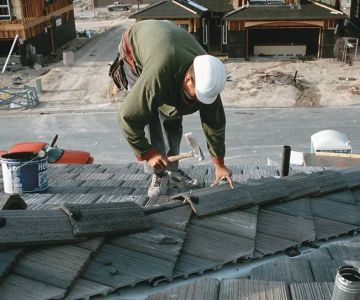
Even the best underlayment will not perform optimally if installed improperly. Here are a few tips to ensure your roofing underlayment provides maximum protection:
- Overlap the Underlayment: Ensure that the underlayment overlaps the seams and edges of the roof to prevent water penetration.
- Secure Properly: Fasten the underlayment securely to avoid it from being blown away by high winds or disrupted during installation.
- Check for Proper Sealing: Pay attention to seams and edges, and ensure they are adequately sealed to avoid gaps where water could enter.
Proper installation ensures that the underlayment works as intended, offering long-term protection against the elements.
For further roofing materials and expert advice, check out Total Roofing Hub.

 O'Connor Construction, Inc.5.0 (5 reviews)
 Lighthouse Roofing & Siding5.0 (2 reviews)
 Chastain Roofing5.0 (59 reviews)
 CT Home Remodelers4.0 (26 reviews)
 Northridge Roofing Solutions5.0 (18 reviews)
 ND Construction and Roofing, LLC4.0 (48 reviews)
 Role of Roof Sheathing Moisture Barrier: Why It’s Essential for Your Roof
 How to Choose Roofing for Flat vs Pitched Garages & Sheds
 Siding Material Maintenance in Maple Wood, Cedar or Composite: Tips for Long-Lasting Protection
 Common Siding Warranty Mistakes and How to Avoid Them
 What to Expect During a Roof Inspection
 How Often Should You Replace Your Home's Siding? Expert Tips on Siding Longevity