- 1-Importance of Roof Ventilation in Lowering Cooling Costs
- 2-How Roof Ventilation Systems Work
- 3-Types of Roof Ventilation Systems
- 4-Choosing the Right Roof Ventilation System
- 5-Real-Life Case: How Roof Ventilation Saved a Homeowner Money
- 6-How Total Roofing Hub Can Help with Roof Ventilation Solutions
1. Importance of Roof Ventilation in Lowering Cooling Costs
Proper roof ventilation is crucial for maintaining a comfortable indoor environment while also reducing cooling costs. When the attic is not properly ventilated, heat can build up, causing your air conditioning system to work harder to maintain a cool temperature inside the home. By implementing an effective roof ventilation system, homeowners can reduce the strain on their HVAC systems and lower their energy bills, especially during the hot summer months.
Mag selva Roofing, Gutters, Siding
AlpharettaFulton CountyGeorgia
580 Oak Landing Dr, Alpharetta, GA 30022, USA
2. How Roof Ventilation Systems Work
Roof ventilation systems work by allowing air to circulate through your attic, reducing the buildup of heat and moisture. This circulation prevents the attic from becoming a heat trap, which can raise temperatures throughout the home. Ventilation is achieved by the combination of intake vents and exhaust vents, which work together to create airflow that pushes hot air out and pulls cooler air in.
In the summer, heat builds up in the attic, and without proper ventilation, it can increase the temperature inside the home. In winter, moisture can accumulate in the attic, leading to issues like mold growth or ice dams. Roof ventilation helps prevent these problems by maintaining a balanced environment in the attic throughout the year.
A.H. Davis & Son, Inc.
West ChesterChester CountyPennsylvania
320 E Gay St, West Chester, PA 19380, USA
3. Types of Roof Ventilation Systems
There are several types of roof ventilation systems, each designed to suit different needs. The most common types include:
- Ridge Vents: Installed along the roof ridge, these vents allow hot air to escape from the attic naturally.
- Soffit Vents: Positioned under the eaves, soffit vents allow cooler air to enter the attic, providing passive airflow when paired with ridge vents.
- Gable Vents: Installed on the side walls of the attic, gable vents provide both intake and exhaust for airflow.
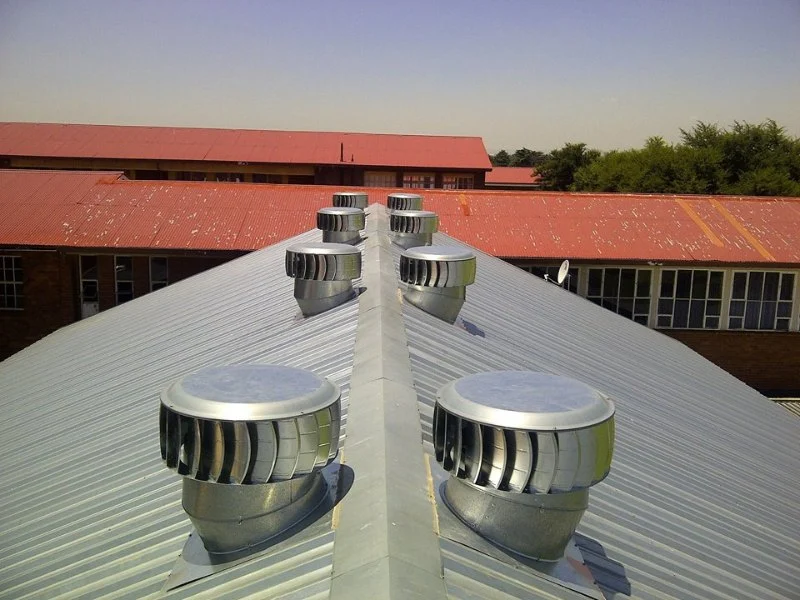
- Roof Vents: These vents are installed directly into the roof and allow hot air to escape through the highest point of the attic.
Each type has its advantages depending on your home’s design, climate, and budget. A combination of these systems can provide optimal airflow, keeping your home cooler and reducing cooling costs.
4. Choosing the Right Roof Ventilation System
Choosing the right roof ventilation system depends on several factors, including the size and design of your attic, the climate in your region, and your home’s overall insulation. The goal is to create a balanced system where the intake and exhaust vents work together to facilitate continuous airflow.
For example, in warmer climates, a combination of ridge and soffit vents is often the most effective. In colder climates, gable or roof vents might be more suitable to reduce the risk of ice dams. Consulting with a roofing professional can help you determine the best option for your home, ensuring that your ventilation system maximizes energy savings.
5. Real-Life Case: How Roof Ventilation Saved a Homeowner Money
One homeowner, Sarah, decided to install a roof ventilation system to help reduce her summer cooling costs. Before installing the system, her air conditioning was constantly running, and her energy bills were through the roof. After consulting with a roofing expert, she opted for a ridge and soffit ventilation system. Within just a few months, Sarah noticed a significant drop in her cooling costs. Not only did her home stay cooler in the summer, but she also experienced better indoor air quality and reduced moisture buildup in her attic.
This case highlights the importance of proper ventilation and how it can positively impact both your comfort and your wallet. Sarah’s experience is just one example of how roof ventilation can make a substantial difference in energy savings.
6. How Total Roofing Hub Can Help with Roof Ventilation Solutions
At Total Roofing Hub, we specialize in providing high-quality roofing solutions, including roof ventilation systems designed to lower cooling costs. Our team of experts can help you assess your current roof ventilation system or guide you in choosing and installing a new one tailored to your home’s specific needs. With our professional services, you can ensure your home stays cool and energy-efficient throughout the year.
Visit Total Roofing Hub to learn more about our roof ventilation products and services that will help you save on cooling costs and improve the comfort of your home.

 Reign Roofing5.0 (10 reviews)
 Overland Roofing Company5.0 (17 reviews)
 IRF Development Group0.0 (0 reviews)
 VL Roofing and Siding Inc4.0 (31 reviews)
 All Areas Around Everything LLC0.0 (0 reviews)
 Hollywood Construction Corp | Home Remodeling Contractor4.0 (50 reviews)
 How to Budget for a Roof Replacement Project | Expert Tips
 The Environmental Benefits of a Cool Roof: How It Can Help the Planet
 The Pros and Cons of Vinyl Siding: Is It the Right Choice for Your Home?
 How to Budget for a Roof Replacement Project | Expert Tips
 What to Expect During a Roof Inspection
 Top 10 Questions to Ask a Roofing Contractor Before Hiring