- Why Roof Inspections Are Important
- Steps Involved in a Roof Inspection
- What a Roof Inspector Looks For
- Common Roof Issues Diagnosed During an Inspection
- How to Prepare for a Roof Inspection
- Why Choose Total Roofing Hub for Your Roof Inspection
Why Roof Inspections Are Important
Roof inspections are an essential part of maintaining the integrity of your home. A roof is your first line of defense against the elements, and ensuring it is in good condition can save you money in the long run. Regular roof inspections help identify potential problems before they escalate into costly repairs or replacements.
Whether you're buying a new home, preparing for insurance renewal, or just performing routine maintenance, a roof inspection provides peace of mind. It allows you to address minor issues before they become major concerns, protecting your home’s structure and improving its lifespan.
Steps Involved in a Roof Inspection
A roof inspection typically involves a thorough examination of various components of your roof to assess its condition. Here’s what you can expect during a typical roof inspection:
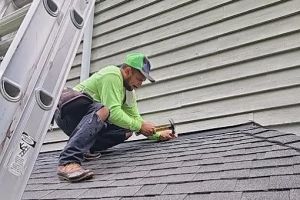
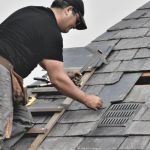
- Initial Assessment: The roof inspector will begin by walking around your property to visually assess the overall condition of the roof. This includes checking for obvious signs of damage, such as missing shingles, visible sagging, or debris buildup.
- Exterior Inspection: Next, the inspector will examine the roof’s exterior, including shingles, tiles, flashing, and gutters. They’ll look for signs of wear and tear, leaks, or areas that may need repair or replacement.
- Interior Inspection: An interior inspection is also important. The inspector will check the attic or ceilings inside your home for signs of leaks, water stains, or mold. This helps identify if any water has seeped through the roof and caused internal damage.
- Detailed Report: After the inspection, the inspector will provide you with a detailed report of their findings, including any issues that need immediate attention and a summary of the overall condition of your roof.
What a Roof Inspector Looks For
During a roof inspection, the inspector will look for several key signs of damage or wear. Some of the most common things they will check include:
- Shingle Condition: The inspector will examine shingles for cracking, curling, blistering, or missing pieces. Damaged shingles can allow water to penetrate your roof, leading to leaks and structural damage.
- Flashing: Flashing is the metal material around chimneys, vents, and skylights that prevents water from seeping in. Inspectors will check flashing to ensure it is securely in place and free of rust or gaps.
- Gutters and Downspouts: Clogged or damaged gutters can lead to water backup, which may cause water damage to the roof and foundation. Inspectors will make sure gutters and downspouts are properly installed and functioning.
- Roof Ventilation: Proper ventilation is crucial for regulating temperature and moisture in your attic. The inspector will check that your roof has adequate ventilation to prevent heat buildup and moisture damage.
- Roof Decking: The decking beneath your roof shingles is also checked for signs of damage, rot, or water infiltration. A strong deck is essential to maintaining the overall integrity of the roof.
Common Roof Issues Diagnosed During an Inspection
During a roof inspection, various issues may be identified that require attention. Some of the most common roof issues include:
- Leaks: Roof leaks are one of the most common issues found during inspections. Leaks can occur from cracked shingles, damaged flashing, or poor installation. Leaks may not always be visible on the surface, which is why an interior inspection is necessary to identify hidden damage.
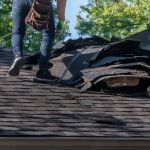
- Damaged or Missing Shingles: Over time, shingles can become damaged by weather conditions or age. Missing shingles can expose the underlying layers of your roof, leading to water infiltration.
- Poor Ventilation: Without proper ventilation, your attic can become hot and humid, which can cause mold growth and damage to the roof structure. Poor ventilation can also lead to ice dams in colder climates.
- Granule Loss: Shingles may lose their protective granules over time, leading to weakened roofing materials that are more susceptible to damage from the elements.
- Gutter Damage: Gutters that are clogged, cracked, or misaligned can lead to water backup, causing damage to the roof and foundation. Gutters should be inspected and cleaned regularly to avoid this issue.
How to Prepare for a Roof Inspection
Preparing for a roof inspection can help ensure that the process goes smoothly. Here are some tips to help you get ready:
- Clear the Area: Move any obstacles, such as vehicles or outdoor furniture, away from the areas around your home that will be inspected. This gives the inspector easy access to the roof and surrounding areas.
- Provide Access to the Attic: If your inspector will be checking the attic, make sure the space is accessible. This may involve clearing out items that block the attic hatch or access ladder.
- Document Any Issues: If you've noticed any roof problems, such as leaks or missing shingles, make note of them to discuss with the inspector. This will help ensure that the inspector checks the areas of concern thoroughly.
Why Choose Total Roofing Hub for Your Roof Inspection
At Total Roofing Hub, we specialize in roof inspections and offer comprehensive services to ensure your roof is in optimal condition. Our experienced team of roofing professionals conducts thorough inspections to identify potential issues before they become major problems. We provide detailed reports, expert recommendations, and reliable roofing solutions to keep your home safe and secure.
If you're ready to schedule a roof inspection or need more information, contact Total Roofing Hub today. We’ll help you maintain the integrity of your roof and ensure your home remains protected for years to come!
 Skyline Designs Roofing5.0 (99 reviews)
 Perfect Roofing Installations4.0 (60 reviews)
 Dog Tags Construction LLC4.0 (16 reviews)
 Gutter Shutter of Central Maryland5.0 (9 reviews)
 Sam Cline Handyman Services4.0 (37 reviews)
 Paramount Builders Inc.4.0 (302 reviews)
 Should I Repair or Replace My Roof?
 Top 10 Signs Your Roof Needs Immediate Repair Before It’s Too Late
 The Pros and Cons of Vinyl Siding: Is It the Right Choice for Your Home?
 How to Choose a Reliable Roofing Contractor Near You – Expert Tips
 Top 10 Signs Your Roof Needs Immediate Repair You Shouldn’t Ignore
 How to Spot Hail Damage on Your Roof | Quick Guide for Homeowners