
- 1. Understanding Mold and Mildew on Roofs
- 2. Key Factors That Promote Mold and Mildew Growth
- 3. Best Roofing Materials That Resist Mold & Mildew
- 4. Maintenance Tips to Prevent Mold and Mildew Growth
- 5. Real-World Case Study: How Proper Roofing Stops Mold
1. Understanding Mold and Mildew on Roofs
Mold and mildew are common problems for homeowners, especially in areas with high humidity or frequent rainfall. When it comes to roofs, these fungal growths can lead to significant damage over time, compromising both the aesthetic and structural integrity of the roof. Mold thrives in warm, damp conditions, and if left untreated, it can result in costly repairs. To prevent this, it’s important to choose the right materials and understand the factors that contribute to mold and mildew growth on roofs.
Vertical Solutions Roofing & Construction
Round RockWilliamson CountyTexas
1111 N Interstate Hwy 35 #230, Round Rock, TX 78664, USA
2. Key Factors That Promote Mold and Mildew Growth
Several factors contribute to the growth of mold and mildew on your roof. Identifying these factors can help in choosing the best roofing materials to combat the problem. The main factors include:
- Humidity: High humidity levels, especially during the rainy season, provide an ideal environment for mold to grow. Roofs that don’t have proper ventilation may trap moisture, promoting mold growth.
- Lack of Sunlight: Roofs in shaded areas may not dry properly after rain or dew, which leads to mold and mildew development. Sunlight is essential for drying out any moisture on the roof surface.
- Poor Ventilation: Inadequate ventilation allows moisture to accumulate in the attic or between the roof and insulation, fostering an environment for mold spores to thrive.
- Dirty Roofs: Debris, such as leaves and twigs, can hold moisture on the roof, providing a breeding ground for mold and mildew. Regular cleaning is essential for preventing these issues.
3. Best Roofing Materials That Resist Mold & Mildew
When selecting roofing materials, it's important to consider their resistance to mold and mildew. Below are some of the best roofing materials known for their ability to prevent mold and mildew growth:
- Metal Roofing: Metal roofs, especially galvanized steel, are highly resistant to mold and mildew. They shed water easily, which prevents moisture buildup. Additionally, metal roofs are less likely to trap heat or moisture.
- Clay and Concrete Tiles: Clay and concrete tiles are non-porous and durable, making them resistant to mold and mildew. Their natural composition and the way they interlock allow water to flow freely, which helps to prevent moisture from accumulating on the roof.
- Asphalt Shingles with Mold-Resistant Coating: Some asphalt shingles come with built-in mold-resistant coatings, which can help prevent the growth of mold and mildew. These shingles are also affordable and easy to maintain.
- Slate Roofing: Slate is a naturally dense material that resists both mold and mildew. Its water-resistant properties make it a good option for areas prone to damp conditions.
- Rubber Roofing: Synthetic rubber roofs are another excellent choice for mold resistance. Their smooth surface and waterproof design prevent moisture from seeping into the roofing structure, which helps prevent mold growth.
4. Maintenance Tips to Prevent Mold and Mildew Growth
Choosing the right roofing material is just the first step in preventing mold and mildew. Regular maintenance is key to keeping your roof free of these growths. Here are some essential maintenance tips:
- Regular Cleaning: Clean your roof regularly to remove debris such as leaves, moss, and dirt. Use a broom or leaf blower to gently clear off any build-up, as this can hold moisture and promote mold growth.
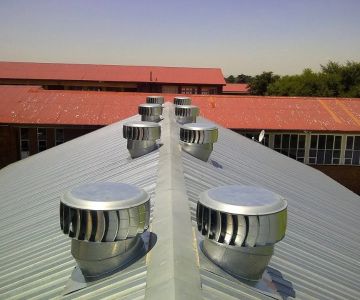
- Install Roof Ventilation: Ensure that your attic and roof spaces are properly ventilated to allow moisture to escape. This can be achieved through vents or a ridge vent system.
- Inspect and Repair Leaks: Inspect your roof regularly for leaks or any signs of moisture penetration. Promptly repair any damages to prevent water from entering and creating a conducive environment for mold.
- Use Mold-Resistant Treatments: Some roofing materials can be treated with special mold-resistant coatings or sprays. These treatments can enhance the mold resistance of your roof and prolong its lifespan.
5. Real-World Case Study: How Proper Roofing Stops Mold
Consider the case of a homeowner in Florida who experienced persistent mold growth on their roof due to the region's high humidity and frequent rains. After switching to a metal roof and ensuring proper attic ventilation, the homeowner noticed a dramatic reduction in mold and mildew issues. By investing in a quality roofing material and maintaining it through regular cleaning and repairs, the homeowner was able to protect their home from the damaging effects of mold.
Choosing the right roofing material can be a game-changer in preventing mold and mildew growth. Not only does it keep your home healthy, but it also extends the lifespan of your roof. For homeowners looking for reliable materials and expert advice on roofing options, consider visiting Total Roofing Hub to explore the best products and services for your needs.
 Blue Square Builders3.0 (35 reviews)
 A.G Creative Touch4.0 (26 reviews)
 ABC Supply Co. Inc.4.0 (56 reviews)
 Ultimate Roofing Co0.0 (0 reviews)
 New Hampshire Roofing & Carpentry5.0 (5 reviews)
 CertaPro Painters of Huntington Beach, CA4.0 (115 reviews)
 How to Match Roof Shingles with Your Siding Color | Expert Tips for Homeowners
 How Local Building Codes Impact Your Roof & Siding Choices
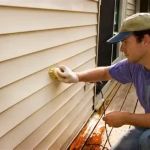 How to Maintain Your Siding Year Round
 The title is optimized for search engines while reflecting the content accurately.
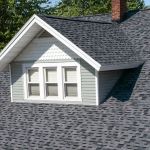 How to Match Roof Shingles with Your Siding Color – Expert Tips for Perfect Home Design
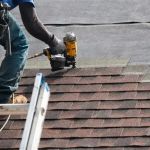 Should I Repair or Replace My Roof? – Expert Guide for U.S. Homeowners