 <<<
<<<- 1 - The Importance of Roof Design in Weather Protection
- 2 - Key Factors Influencing Rain and Snow Shedding
- 3 - Finding the Optimal Roof Pitch for Snow and Rain
- 4 - Roof Materials That Enhance Rain and Snow Shedding
- 5 - Common Roof Design Mistakes to Avoid
- 6 - Real-Life Examples of Effective Roof Designs
1. The Importance of Roof Design in Weather Protection
The design of your roof plays a significant role in protecting your home from the elements, especially when it comes to shedding rain and snow. Roofs that are not designed properly can lead to a variety of problems, including water damage, leaks, and structural issues. Effective roof design ensures that your home remains dry and safe during heavy rainfall and snowstorms, which are common in many regions.
Properly designed roofs are built to handle the weight of snow, the pressure of heavy rain, and other weather-related stresses. By incorporating the right materials, pitch, and drainage systems, you can avoid costly repairs and extend the lifespan of your roof. Understanding the key aspects of roof design for rain and snow shedding is essential to ensure long-term protection for your home.
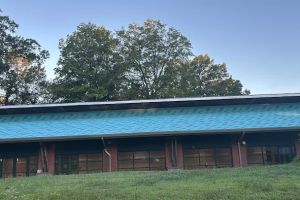
Roof,siding,1981
New LondonSoutheastern Connecticut Planning RegionConnecticut
143 Ocean Ave, New London, CT 06320, USA
2. Key Factors Influencing Rain and Snow Shedding
Several factors play a role in how well your roof sheds rain and snow. Understanding these elements is essential when designing or renovating your roof. Key factors include:
- Roof Pitch: The angle or pitch of your roof significantly affects how well water and snow can flow off. Steeper roofs tend to shed snow and rain more effectively than flatter ones, preventing accumulation that could cause damage.
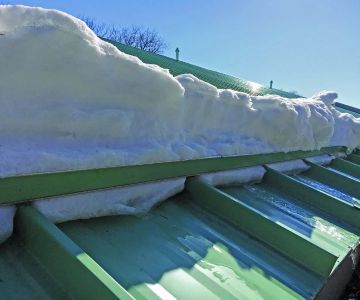
- Roof Material: The material of your roof also impacts its shedding capabilities. Materials like metal, which are smooth and have low friction, help snow and rain slide off more easily than other materials such as shingles or tiles.
- Roof Overhangs: Overhangs are another important feature. Roofs with extended overhangs can help divert water away from the walls of your home, preventing water damage and erosion near the foundation.
- Drainage Systems: Effective gutters and downspouts are crucial in directing water away from the roof and foundation. A well-designed drainage system ensures that water doesn’t pool on the roof or around the house, preventing ice dams in winter.
By considering these factors when designing your roof, you can ensure that it performs well in all weather conditions, preventing water damage and extending the life of your home’s structure.
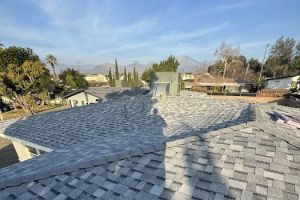
Jure Roofing And Solar
San BernardinoSan Bernardino CountyCalifornia
255 N D St #216, San Bernardino, CA 92401, USA
3. Finding the Optimal Roof Pitch for Snow and Rain
The pitch of your roof is one of the most important elements in determining how effectively it sheds rain and snow. Roof pitch is the slope or angle of the roof, and it’s usually measured in inches of rise per 12 inches of run (e.g., a 4/12 pitch means the roof rises 4 inches for every 12 inches of horizontal distance). Here's what to consider when choosing the optimal roof pitch:
- Steeper Roofs: A steeper roof, with a pitch of 6/12 or higher, is ideal for snow shedding because it allows snow and ice to slide off more easily. It also helps in rain runoff, reducing the likelihood of water pooling and causing leaks.
- Flatter Roofs: A flat roof or a roof with a low pitch (2/12 to 3/12) may not shed snow as effectively. Snow can accumulate and cause weight issues, and water can pool on the roof, leading to potential leaks or water damage.
- Regional Considerations: If you live in a region with heavy snowfall, a higher pitch is recommended. In contrast, areas with mild rainfall and no snow might be fine with a shallower pitch. Understanding your climate will help you decide on the best roof pitch for your home.
In general, roofs with a pitch of 6/12 or higher are the most effective for both rain and snow shedding, particularly in colder climates where snow buildup is a concern.
4. Roof Materials That Enhance Rain and Snow Shedding
The material you choose for your roof has a direct impact on how well it sheds rain and snow. Different materials offer varying degrees of smoothness and durability, which affect water runoff and snow sliding. Here are some of the best materials for efficient rain and snow shedding:
- Metal Roofing: Metal roofs are among the best options for snow and rain shedding. Their smooth, slick surface allows snow and rain to slide off quickly, and they are highly durable, making them perfect for harsh weather conditions.
- Clay and Concrete Tiles: While not as effective as metal, clay and concrete tiles can also shed rain and snow effectively due to their shape. They are often used in warmer climates but can perform well in snow-prone areas if installed correctly.
- Asphalt Shingles: Asphalt shingles are the most common roofing material, but they may not shed snow and rain as efficiently as metal roofs. However, with proper maintenance, they can still perform well in moderate climates.
Choosing the right material depends on your climate, aesthetic preferences, and budget. If you live in an area prone to heavy snow or rain, a metal roof is likely the best option for maximum shedding efficiency.
5. Common Roof Design Mistakes to Avoid
When designing a roof to handle rain and snow shedding, there are several common mistakes that homeowners and builders should avoid:
- Incorrect Roof Pitch: Choosing a roof pitch that’s too shallow can lead to snow buildup and water pooling, which increases the risk of leaks and structural damage.
- Poor Drainage Systems: Failing to install sufficient gutters and downspouts or neglecting regular maintenance can lead to water backing up on the roof, causing ice dams in winter or water damage in spring.
- Using Inappropriate Materials: Some materials, like asphalt shingles, may not perform well in areas with heavy snow. Choosing the wrong material can lead to long-term issues with snow accumulation and water runoff.
By avoiding these mistakes and considering all aspects of roof design—pitch, materials, and drainage systems—you can ensure your roof performs well in all weather conditions.
6. Real-Life Examples of Effective Roof Designs
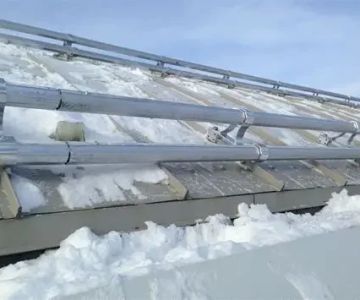
Real-life examples of well-designed roofs can illustrate the importance of proper roof design for rain and snow shedding. Take the example of a mountain lodge in Colorado, where the owners opted for a metal roof with a steep 8/12 pitch. This design ensures that heavy snow falls off the roof easily, reducing the risk of snow accumulation and the associated structural damage.
Another example is a family home in the Pacific Northwest, where the roof pitch was designed to handle the region’s heavy rainfall. With carefully installed gutters and downspouts, the roof efficiently directs water away from the house, preventing leaks and water damage.
These examples show how thoughtful roof design can make a huge difference in how well a home withstands the elements, keeping the interior dry and safe during even the harshest weather conditions.
If you're looking for expert advice or high-quality roofing products, visit Total Roofing Hub for the best roofing solutions and services to protect your home this autumn and beyond.

 Marc Joseph remodeling5.0 (1 reviews)
 PRS Roofing Inc5.0 (9 reviews)
 KAPS CONSTRUCTION4.0 (5 reviews)
 Marshall Exteriors, LLC4.0 (213 reviews)
 S.W.A.T. Roofing & Consulting4.0 (46 reviews)
 MATFI RENOVATIONS LLC5.0 (23 reviews)
 Siding Material Fire Ratings: What’s Required & What to Choose
 Roof Talk: Common Terminology Every Homeowner Should Know
 How Often Should You Replace Your Home's Siding? Expert Tips on Siding Longevity
 The Average Lifespan of Asphalt Shingle Roofs: How Long Do They Last?
 How to Choose a Reliable Roofing Contractor Near You | Top Tips and Questions
 Should I Repair or Replace My Roof? – Expert Guide for U.S. Homeowners