
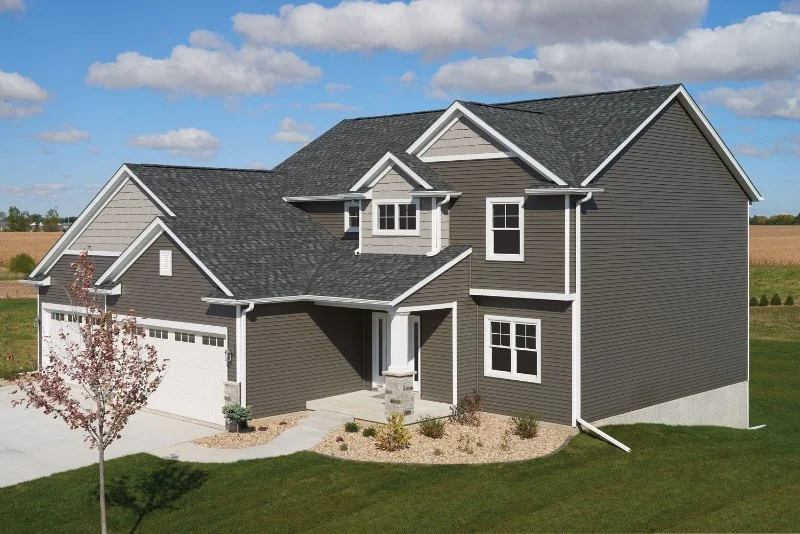
- 1-Why Roof and Siding Coordination Matters
- 2-Factors to Consider When Matching Roof and Siding
- 3-Popular Roof and Siding Color Combinations
- 4-How to Choose the Right Roof Shingle Color
- 5-Roof and Siding Design Tips for Different Home Styles
- 6-Real-Life Roof and Siding Matching Examples
- 7-How to Find the Right Roof Shingles and Siding for Your Home
1. Why Roof and Siding Coordination Matters
When it comes to designing your home’s exterior, few things are as important as choosing the right combination of roof shingles and siding. These two elements make up a significant portion of your home’s curb appeal, and getting the right match can enhance the overall aesthetic. Proper roof and siding coordination ensures a cohesive look that complements your home’s style and surroundings.
Whether you're building a new home or remodeling an existing one, the roof and siding are the most prominent features that will set the tone for your entire home’s appearance. A well-coordinated exterior can significantly boost the value of your property and give it a polished, sophisticated look.

Doing It Right Roofing, Siding, Remodeling, LLC
SarverButler CountyPennsylvania
746 Ekastown Rd, Sarver, PA 16055, USA
2. Factors to Consider When Matching Roof and Siding
Choosing the right roof and siding combination isn’t just about picking colors you like—it requires careful consideration of several factors. Here’s what you should keep in mind when making your decision:
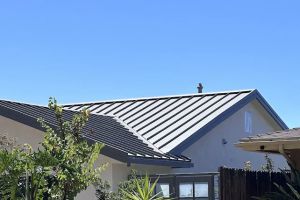
2.1 Home Style
The style of your home plays a crucial role in determining the right roof and siding combination. For example, traditional homes often pair well with classic, neutral-colored roofing materials, while modern homes may look better with more contemporary or bolder roofing options. Understanding the architectural style of your home will help guide your choices and ensure that the roof and siding complement each other.
2.2 Climate
Your home’s location and climate can also impact your decision. Darker roof shingles may absorb more heat, which could be beneficial in colder climates, while lighter-colored roofs reflect more sunlight, keeping homes cooler in hot climates. Similarly, the materials you choose for your siding should be able to withstand local weather conditions, such as heavy rainfall or high humidity.
2.3 Color Trends and Personal Preferences
While practical considerations are important, color choices should reflect your personal style and the overall aesthetic you want to achieve. There are numerous color trends in roofing and siding, ranging from classic to contemporary. If you're unsure about color choices, you can look at homes with similar architectural styles for inspiration or consult a professional designer for guidance.
3. Popular Roof and Siding Color Combinations
Now that you know what factors to consider, let’s explore some popular roof and siding color combinations that work well together. These pairings can serve as a great starting point for choosing the right design for your home:
3.1 Gray Roof with Light or Dark Siding
A gray roof is a versatile choice that pairs well with almost any siding color. Whether you opt for light-colored siding, such as white or beige, or dark shades like charcoal or navy, a gray roof complements both options. This combination offers a modern, clean look that works well for contemporary homes.
3.2 Brown Roof with Neutral or Earthy Tones
A brown roof pairs beautifully with earthy siding colors like tan, olive green, or soft cream. This combination creates a natural, rustic feel that works well with traditional or farmhouse-style homes. The earthy tones bring warmth and coziness to your home’s exterior.
3.3 Black Roof with White or Light-Colored Siding
A black roof with white or light-colored siding creates a striking, high-contrast look that exudes sophistication and elegance. This combination is perfect for modern homes and can add a bold, dramatic effect to your property’s curb appeal.
3.4 Red Roof with Neutral Siding
For a more vibrant, bold choice, a red roof pairs beautifully with neutral-colored siding, such as beige, gray, or light brown. The contrast between the red and the neutral tones creates a lively yet balanced look, making it a great option for traditional or craftsman-style homes.
4. How to Choose the Right Roof Shingle Color
The color of your roof shingles is a key element in coordinating your home’s exterior. Here’s how you can choose the right shingle color for your home:
4.1 Match with Your Home’s Exterior Color Palette
When selecting roof shingles, consider your home’s existing exterior color palette. Choose a color that complements the tones of your siding, doors, windows, and landscaping. If you have a neutral siding color, you can go with almost any color for your shingles, from light to dark shades. For more colorful siding, consider choosing a more neutral or muted roofing option to balance the look.
4.2 Consider the Climate
The climate of your area should also influence your roof color. In warmer climates, light-colored shingles help reflect sunlight and keep your home cooler. In colder areas, darker shingles absorb more heat and can help with energy efficiency during the winter months.
4.3 Long-Term Durability
Certain shingle colors may fade over time due to sun exposure and weather conditions. Be sure to choose a high-quality roofing material that will retain its color and durability for many years. Darker shingles, for example, may show signs of fading or wear faster than lighter ones.
5. Roof and Siding Design Tips for Different Home Styles
Every architectural style has its own unique roof and siding combination that works best. Here are some tips for different home styles:
5.1 Colonial Homes
For colonial-style homes, traditional roof colors like dark gray, black, or brown work well. These colors pair perfectly with light-colored siding, such as white, light gray, or pale yellow. This combination creates a classic, timeless look.
5.2 Contemporary Homes
Contemporary homes often look best with bold contrasts. A dark-colored roof, such as charcoal or slate, pairs well with light-colored or neutral siding, such as white, beige, or light gray. This modern look is clean and minimalist.
5.3 Craftsman Homes
For craftsman-style homes, earthy tones like brown, green, and red work well for both roofing and siding. A brown or reddish roof paired with warm-colored siding gives the home a cozy, inviting feel, reflecting the traditional elements of craftsman architecture.
6. Real-Life Roof and Siding Matching Examples
Here are a couple of real-life examples that illustrate the importance of roof and siding color coordination:
Sarah, a homeowner in Texas, chose a brown roof with beige siding for her traditional ranch-style home. “The earthy tones blend perfectly with the natural surroundings of our property,” she says. “The combination feels warm and inviting, and it complements the landscape beautifully.”
John, from California, opted for a sleek, black roof with white siding for his contemporary-style home. “The high contrast really makes our home stand out,” he shares. “It looks modern and elegant, and it really enhances the curb appeal.”
7. How to Find the Right Roof Shingles and Siding for Your Home
To ensure that your roof and siding are the perfect match, it’s essential to choose the right products. Visit Total Roofing Hub for expert advice and a selection of high-quality roofing and siding materials. With the right tools and knowledge, you can create an exterior design that enhances the beauty and value of your home.




 Skyline Designs Roofing5.0 (99 reviews)
 Perfect Roofing Installations4.0 (60 reviews)
 Dog Tags Construction LLC4.0 (16 reviews)
 Gutter Shutter of Central Maryland5.0 (9 reviews)
 Sam Cline Handyman Services4.0 (37 reviews)
 Paramount Builders Inc.4.0 (302 reviews)
 Should I Repair or Replace My Roof?
 Top 10 Signs Your Roof Needs Immediate Repair Before It’s Too Late
 The Pros and Cons of Vinyl Siding: Is It the Right Choice for Your Home?
 How to Choose a Reliable Roofing Contractor Near You – Expert Tips
 Top 10 Signs Your Roof Needs Immediate Repair You Shouldn’t Ignore
 How to Spot Hail Damage on Your Roof | Quick Guide for Homeowners