
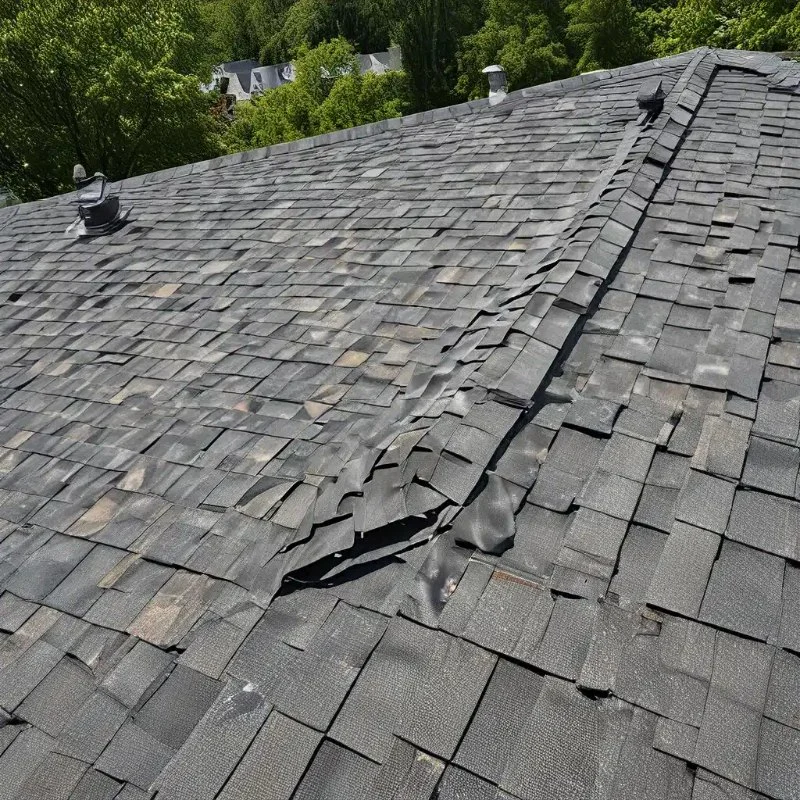
- 1 - Understanding when roof replacement is necessary
- 2 - Choosing the right roofing materials for your home
- 3 - Planning your budget and understanding costs
- 4 - Step-by-step process of roof replacement
- 5 - Real homeowner stories and lessons learned
- 6 - Maintenance tips to extend the life of your new roof
- 7 - Finding trusted services and resources for homeowners
1 - Understanding when roof replacement is necessary
For many homeowners, knowing when it’s time to replace a roof can be challenging. Signs like missing shingles, frequent leaks, water stains on ceilings, or mold growth are strong indicators. While minor repairs may solve small issues, a full roof replacement is often the best solution when the damage is widespread or the roof is nearing the end of its expected lifespan. In the U.S., asphalt shingle roofs typically last about 20–25 years, while metal and tile roofs can last much longer. Recognizing these warning signs early can save homeowners from costly emergency repairs.
Not A Dime Down Roofing & Restoration LLC
1775 Parker Rd SE building c suite 210, Conyers, GA 30094, USA
2 - Choosing the right roofing materials for your home
Selecting the right roofing material is one of the most important decisions in the roof replacement process. Homeowners today have more options than ever:
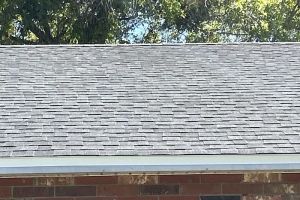
2.1 - Asphalt shingles
Affordable and widely available, asphalt shingles remain the most popular choice. They’re easy to install and come in various colors, but may not be as durable as other options.
2.2 - Metal roofing
Metal roofs are highly durable, energy-efficient, and can last up to 50 years. They’re especially popular in areas prone to severe weather.
2.3 - Tile and slate
Tile and slate roofs add a premium look and offer exceptional longevity, often lasting 75 years or more. However, they are heavier and may require structural reinforcement.
2.4 - Eco-friendly materials
Green roofing solutions, like recycled shingles or solar-integrated tiles, are gaining popularity for homeowners who want sustainability along with performance.
3 - Planning your budget and understanding costs
The cost of roof replacement varies depending on materials, labor, and roof size. On average, U.S. homeowners spend between $8,000 and $15,000 for a complete replacement. Factors such as roof pitch, local labor rates, and disposal fees can also affect the price. A common mistake is focusing solely on the cheapest estimate; instead, look for value—quality workmanship and durable materials often save money in the long run. Some homeowners also explore financing options or insurance coverage when damage is weather-related.
4 - Step-by-step process of roof replacement
Understanding the process helps homeowners feel more prepared:
4.1 - Initial inspection and planning
A roofing contractor inspects the current roof, identifies damage, and recommends the best course of action. At this stage, homeowners choose materials and finalize cost estimates.
4.2 - Removing the old roof
Contractors carefully remove old shingles or tiles, inspect the decking, and repair any structural damage before installing new materials.
4.3 - Installing underlayment and flashing
Waterproof underlayment and flashing are essential to prevent leaks. This step ensures long-term durability and protection against weather.
4.4 - Installing new roofing material
The new shingles, tiles, or panels are installed according to manufacturer specifications. Proper installation is crucial for warranty coverage and performance.
4.5 - Final inspection and cleanup
After installation, contractors conduct a final inspection to ensure quality and remove all debris, leaving the property clean and safe.
5 - Real homeowner stories and lessons learned
One homeowner in Florida shared how delaying roof replacement after a hurricane led to significant interior damage, costing thousands in additional repairs. Another family in Colorado reported saving on energy bills after upgrading to a reflective metal roof. These stories highlight how timely roof replacement can prevent disaster and even provide long-term savings.
6 - Maintenance tips to extend the life of your new roof
A new roof is a major investment, and regular maintenance helps maximize its lifespan. Homeowners should:
6.1 - Schedule annual inspections
Professional inspections catch small issues before they become serious problems.
6.2 - Clean gutters and downspouts
Clogged gutters can cause water to back up under shingles, leading to leaks and structural damage.
6.3 - Trim nearby trees
Overhanging branches can damage shingles or tiles during storms, so trimming them back is essential.
6.4 - Address minor repairs quickly
Replacing a few missing shingles promptly can prevent water intrusion and prolong the roof’s life.
7 - Finding trusted services and resources for homeowners
Choosing the right contractor is as important as selecting the right materials. Look for licensed, insured professionals with strong customer reviews. For homeowners who want reliable recommendations, Total Roofing Hub offers curated resources, from top-rated contractors to the best products available. Using trusted platforms ensures you get expert service and lasting results for your roof replacement project.
 Skyline Designs Roofing5.0 (99 reviews)
 Perfect Roofing Installations4.0 (60 reviews)
 Dog Tags Construction LLC4.0 (16 reviews)
 Gutter Shutter of Central Maryland5.0 (9 reviews)
 Sam Cline Handyman Services4.0 (37 reviews)
 Paramount Builders Inc.4.0 (302 reviews)
 Should I Repair or Replace My Roof?
 Top 10 Signs Your Roof Needs Immediate Repair Before It’s Too Late
 The Pros and Cons of Vinyl Siding: Is It the Right Choice for Your Home?
 How to Choose a Reliable Roofing Contractor Near You – Expert Tips
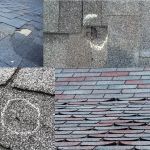 Top 10 Signs Your Roof Needs Immediate Repair You Shouldn’t Ignore
 How to Spot Hail Damage on Your Roof | Quick Guide for Homeowners