
How Local Building Codes Impact Your Roof & Siding Choices
- 1. Introduction: The Importance of Local Building Codes
- 2. Roofing Requirements and How They Are Influenced by Local Codes
- 3. Siding Choices and Their Dependence on Local Regulations
- 4. How to Ensure Compliance with Local Building Codes
- 5. Case Study: Roof and Siding Decisions in Different Regions
- 6. Conclusion: Navigating Local Building Codes for a Successful Roof & Siding Project
1. Introduction: The Importance of Local Building Codes
When it comes to home construction and renovation, local building codes play a critical role in determining the materials and methods used, particularly for your roof and siding. These regulations are set by local governments to ensure that buildings are safe, energy-efficient, and structurally sound. In this article, we’ll explore how local building codes impact your roof and siding choices, and how understanding these codes can help you make informed decisions for your home improvement projects.

Dana Logsdon Roofing San Diego
San DiegoSan Diego CountyCalifornia
770 1st Ave. Suite 250, San Diego, CA 92101, USA
2. Roofing Requirements and How They Are Influenced by Local Codes
Roofing is one of the most critical components of a building, providing protection against the elements and contributing to the overall energy efficiency of the home. Local building codes often set strict standards for the types of materials and construction methods used for roofing, depending on factors like climate, weather patterns, and the location's vulnerability to specific natural disasters.
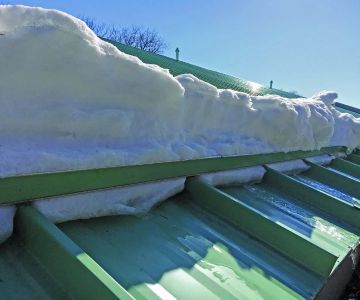
For instance, in areas prone to heavy snowfall, building codes may require roofs to have a steep pitch to prevent snow accumulation. In coastal regions, roofing materials may need to be resistant to high winds and salty air. Other areas might mandate the use of fire-resistant roofing materials, particularly in wildfire-prone regions. Understanding these local requirements ensures that your roof is not only compliant but also safe and durable for your specific location.
Paramount Exteriors LLC
StrasburgLancaster CountyPennsylvania
911 Eisenberger Rd, Strasburg, PA 17579, USA
3. Siding Choices and Their Dependence on Local Regulations
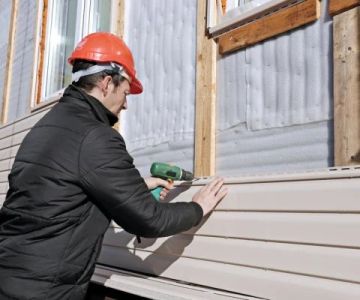
Siding plays a significant role in the aesthetics, energy efficiency, and protection of a home. Local building codes can directly influence the type of siding materials you can use, with requirements based on factors such as climate, durability, and fire safety. For example:
- Wood Siding: In areas with high humidity, building codes may restrict the use of wood siding due to its susceptibility to mold and rot.
- Vinyl Siding: While vinyl siding is popular for its low maintenance, it may not be allowed in areas with extremely hot temperatures, as it can warp under intense heat.
- Stucco Siding: In earthquake-prone areas, building codes might require additional reinforcement for stucco siding to ensure it can withstand seismic activity.
By understanding your local building codes, you can choose the best siding materials for your home that are both compliant with regulations and suited to the local climate.
4. How to Ensure Compliance with Local Building Codes
Ensuring that your roof and siding choices comply with local building codes is crucial for both safety and legal reasons. Here’s how you can make sure your project meets the required standards:
- Consult Local Authorities: Before making any decisions, reach out to your local building department to confirm the specific codes and regulations for your area.
- Hire a Professional: Work with experienced contractors, architects, and roofers who are familiar with local codes and can ensure that your project is compliant.
- Use Certified Materials: Always choose materials that are certified for use in your area, ensuring they meet local standards for durability and safety.
5. Case Study: Roof and Siding Decisions in Different Regions
To understand the impact of local building codes, let’s look at a case study comparing roof and siding choices in two different regions: a coastal city and a mountainous area.
Coastal City - Miami, FL
In Miami, the threat of hurricanes dictates strict building codes for roofs. Homes are required to have impact-resistant shingles or metal roofing, and the pitch of the roof must be designed to withstand high winds. Siding materials must also be durable enough to resist saltwater corrosion, with stucco or vinyl being popular choices in this region.
Mountainous Area - Denver, CO
In Denver, where heavy snow and occasional wildfires are concerns, building codes focus on materials that can handle the weight of snow and the risk of fire. Roofs are typically steep-pitched, and fire-resistant roofing materials like metal or clay tiles are preferred. For siding, materials like fiber cement and brick are commonly used due to their fire resistance and durability in cold climates.
6. Conclusion: Navigating Local Building Codes for a Successful Roof & Siding Project
Understanding how local building codes impact your roof and siding choices is essential for ensuring both safety and compliance in your construction or renovation projects. By consulting local authorities, using certified materials, and working with professionals who know the ins and outs of these regulations, you can make informed decisions that will protect your home and meet all necessary standards. Whether you're building a new home or upgrading your current one, taking the time to consider local building codes will pay off in the long run with a safer, more durable home.
 Marc Joseph remodeling5.0 (1 reviews)
 PRS Roofing Inc5.0 (9 reviews)
 KAPS CONSTRUCTION4.0 (5 reviews)
 Marshall Exteriors, LLC4.0 (213 reviews)
 S.W.A.T. Roofing & Consulting4.0 (46 reviews)
 MATFI RENOVATIONS LLC5.0 (23 reviews)
 Siding Material Fire Ratings: What’s Required & What to Choose
 Roof Talk: Common Terminology Every Homeowner Should Know
 How Often Should You Replace Your Home's Siding? Expert Tips on Siding Longevity
 The Average Lifespan of Asphalt Shingle Roofs: How Long Do They Last?
 How to Choose a Reliable Roofing Contractor Near You | Top Tips and Questions
 Should I Repair or Replace My Roof? – Expert Guide for U.S. Homeowners