
- 1. Understanding Storm Damage to Siding
- 2. Identifying Types of Siding and Their Vulnerabilities
- 3. How to Repair Damaged Siding
- 4. Tips for Preventing Future Storm Damage
- 5. When to Call a Professional for Siding Repair
1. Understanding Storm Damage to Siding
Storms can cause significant damage to your home's exterior, including your siding. Strong winds, hail, and heavy rain can all contribute to siding issues. Understanding how storms damage siding is the first step in knowing how to address it effectively. Damage to your siding can range from small dents to large cracks or even entire sections being torn off.
When a storm strikes, debris like tree branches, rocks, and hail can strike your siding, leaving dents, cracks, or even holes. The weather itself can also cause the siding to warp, buckle, or become loose, especially if the siding material is old or not properly maintained.

Moser Roofing Solutions
LancasterLancaster CountyPennsylvania
1805 Olde Homestead Ln, Lancaster, PA 17601, USA
2. Identifying Types of Siding and Their Vulnerabilities
Before diving into repairs, it's important to identify the type of siding you have and understand its vulnerabilities. Common types of siding include vinyl, wood, fiber cement, and metal, and each material reacts differently to storm damage.
- Vinyl Siding: This material is prone to cracking or warping when exposed to extreme temperatures or physical impact from flying debris.
- Wood Siding: Wood is highly susceptible to water damage, which can lead to swelling, warping, or rotting if not properly sealed.
- Fiber Cement Siding: Though durable, fiber cement can crack under heavy impact or when exposed to freezing temperatures.
- Metal Siding: Metal siding can dent easily when struck by debris, and prolonged exposure to moisture can cause rusting or corrosion.
3. How to Repair Damaged Siding
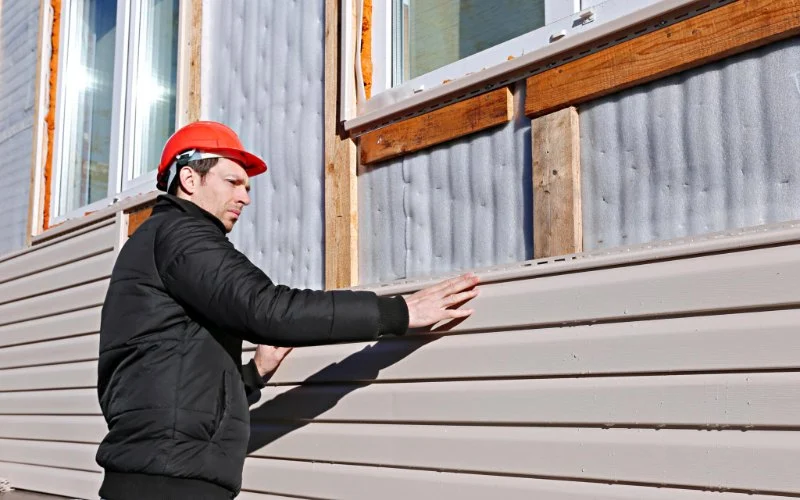
Repairing your siding after storm damage involves a few key steps. Depending on the severity and type of damage, you may be able to make some repairs yourself or may need professional assistance. Here's a basic guide to get you started:
- Assess the Damage: Examine your siding carefully to determine the extent of the damage. Look for cracks, holes, loose panels, or warped sections.
- Clean the Area: Clean the damaged area to remove dirt, debris, and any loose pieces. This will help ensure a smooth surface for repairs.
- Repair Small Cracks and Holes: For minor damage like small cracks or holes, use a high-quality caulking or filler that matches your siding material. Apply the filler and smooth it out to blend with the surrounding area.
- Replace Damaged Panels: If the siding is significantly damaged (such as large cracks or holes), it may be necessary to replace the damaged panel. Make sure you have the correct matching material and size before replacing.
- Re-attach Loose Siding: If sections of your siding have come loose, re-attach them using appropriate fasteners. Ensure that the siding is securely fastened to prevent further issues.
4. Tips for Preventing Future Storm Damage
While you can't control the weather, you can take steps to minimize the potential damage from future storms. Here are a few tips:
- Regular Maintenance: Perform regular checks on your siding to ensure that it’s in good condition and repair any minor issues before they become major problems.
- Install Impact-Resistant Siding: Consider upgrading to more durable, impact-resistant siding materials that can withstand severe weather.
- Trim Nearby Trees: Keep trees and shrubs trimmed away from your home to reduce the risk of branches damaging your siding during a storm.
- Seal Gaps and Cracks: Ensure that all gaps, cracks, or seams in your siding are properly sealed to prevent water from getting in and causing long-term damage.
5. When to Call a Professional for Siding Repair
Some siding repairs are simple and can be completed by homeowners, but others require professional expertise. If the damage is extensive, if you're unsure how to proceed, or if the damage is beyond your ability to repair safely, it's best to contact a professional contractor. A professional can assess the damage and make necessary repairs quickly and effectively.
If you need assistance with repairing storm-damaged siding, consider visiting Total Roofing Hub for expert services and recommendations. We can connect you with professionals who can restore your siding to its best condition.


 Spikers Construction5.0 (2 reviews)
 Pineda Plastering5.0 (5 reviews)
 Home Services at The Home Depot3.0 (3 reviews)
 SoCal Roofing Company0.0 (0 reviews)
 TRIPLE.C. ROOFING5.0 (13 reviews)
 Hagerstown Roofing and Home Improvements, LLC4.0 (22 reviews)
 How to Choose a Reliable Roofing Contractor Near You
 How to Budget for a Roof Replacement Project | Tips & Financing Options
 Best Time of Year to Replace Your Roof - Expert Roofing Tips for Homeowners
 Average Lifespan of Asphalt Shingles and How to Extend It
 The Best Roofing Materials for Cold Climates | Total Roofing Hub
 How Much Does It Cost to Repair or Replace a Roof?