- 1 - Importance of Choosing the Right Materials
- 2 - Asphalt Shingles in Cold Climates
- 3 - Metal Roofing and Its Durability
- 4 - Slate and Tile Performance in Cold Regions
- 5 - Synthetic Roofing Options
- 6 - Real Examples from Homeowners
- 7 - Expert Advice and Resources
1. Importance of Choosing the Right Materials
In regions where snow, ice, and freezing temperatures dominate much of the year, the roof is one of the most critical elements of a home. The best roofing materials for cold climates must withstand heavy snow loads, resist ice dams, and remain durable through freeze-thaw cycles. Choosing wisely not only protects your investment but also ensures comfort and energy efficiency during harsh winters.

2. Asphalt Shingles in Cold Climates
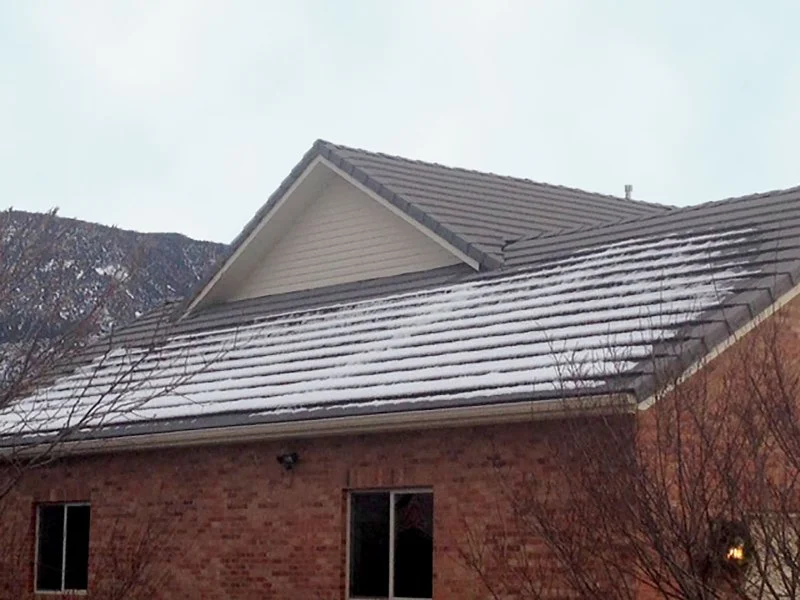
Asphalt shingles are the most common roofing material in the U.S., and for good reason. They are affordable, widely available, and effective in cold weather when installed with proper underlayment. High-quality shingles with strong impact resistance can handle hail and ice buildup better. However, homeowners should ensure professional installation, as improper sealing may lead to water intrusion during snow melts.

3. Metal Roofing and Its Durability
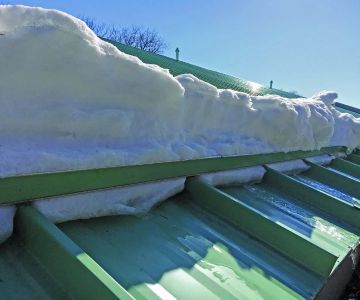
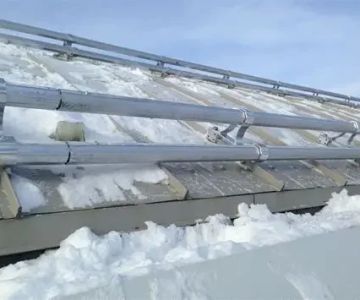
Metal roofing has become a favorite in cold climates because of its ability to shed snow quickly and prevent ice dams. Standing seam metal roofs are particularly effective, offering durability that can last 50 years or more. They are also fire-resistant and energy-efficient, reflecting heat during summer and holding up against winter storms. Though the upfront cost is higher, many homeowners view metal as a long-term investment that saves money in the long run.
4. Slate and Tile Performance in Cold Regions
Slate roofing, while expensive, is one of the most durable options for cold climates. It can easily last over a century if properly maintained. Natural slate resists snow and ice, but its heavy weight requires a strong roof structure. Tile roofing, especially clay or concrete, is less common in extremely cold areas but can still perform well with proper installation and maintenance. Homeowners choosing slate or tile should be prepared for higher costs and specialized labor.
5. Synthetic Roofing Options
Advances in roofing technology have introduced synthetic materials designed to mimic slate or wood while offering improved resilience. These materials are lighter, more affordable, and often come with warranties tailored for extreme climates. Synthetic roofing is a growing choice for homeowners who want the look of traditional materials without the maintenance challenges in snowy regions.
6. Real Examples from Homeowners
One homeowner in Minnesota shared that switching from asphalt shingles to a standing seam metal roof drastically reduced ice dam problems and cut winter maintenance costs. Meanwhile, a family in Vermont invested in slate roofing after repeated storm damage and found it to be a one-time investment that enhanced their home’s value. Stories like these illustrate how the right roofing choice can directly improve daily living in cold climates.
7. Expert Advice and Resources
Every home and climate is different, which is why professional guidance matters when choosing roofing materials. Factors such as roof pitch, insulation, and local weather patterns all influence the best solution. Total Roofing Hub connects homeowners with trusted roofing professionals and suppliers, ensuring access to high-quality materials and expert advice tailored for cold climates. Making an informed decision today can prevent costly repairs tomorrow.
 Skyline Designs Roofing5.0 (99 reviews)
 Perfect Roofing Installations4.0 (60 reviews)
 Dog Tags Construction LLC4.0 (16 reviews)
 Gutter Shutter of Central Maryland5.0 (9 reviews)
 Sam Cline Handyman Services4.0 (37 reviews)
 Paramount Builders Inc.4.0 (302 reviews)
 Should I Repair or Replace My Roof?
 Top 10 Signs Your Roof Needs Immediate Repair Before It’s Too Late
 The Pros and Cons of Vinyl Siding: Is It the Right Choice for Your Home?
 How to Choose a Reliable Roofing Contractor Near You – Expert Tips
 Top 10 Signs Your Roof Needs Immediate Repair You Shouldn’t Ignore
 How to Spot Hail Damage on Your Roof | Quick Guide for Homeowners