The Pros and Cons of Vinyl Siding
- 1-Pros of Vinyl Siding
- 2-Cons of Vinyl Siding
- 3-Things to Consider Before Choosing Vinyl Siding
- 4-Real-Life Case Studies
- 5-Conclusion
1. Pros of Vinyl Siding
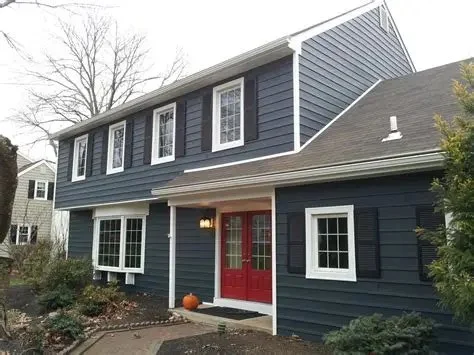
Vinyl siding has gained significant popularity in the United States due to its many advantages. First and foremost, it is highly affordable compared to other siding materials like wood or stone. The low upfront cost makes it an attractive option for homeowners looking to renovate on a budget. Additionally, vinyl siding is incredibly low-maintenance. Unlike wood, which requires regular painting or staining, vinyl siding simply needs an occasional wash with soap and water to keep it looking fresh.
Another benefit of vinyl siding is its durability. It is resistant to rot, warping, and fading, which ensures that your home's exterior will look good for many years. Vinyl siding also comes in a wide range of colors and styles, allowing homeowners to choose a design that matches their aesthetic preferences. It is also energy-efficient, as it helps insulate homes, potentially lowering energy costs by keeping interiors warmer in the winter and cooler in the summer.
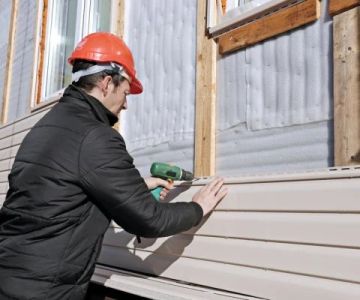
Moreover, vinyl siding is easy to install, which can further reduce labor costs during home improvement projects. When considering all these advantages, vinyl siding emerges as an appealing option for those seeking a cost-effective, durable, and low-maintenance solution for their home exterior.
2. Cons of Vinyl Siding
While vinyl siding offers many benefits, there are also some downsides to consider. One of the main drawbacks is its environmental impact. Vinyl siding is made from polyvinyl chloride (PVC), a plastic material that can be challenging to recycle. This raises concerns about its long-term environmental sustainability. Additionally, the production of PVC contributes to air pollution and other environmental issues, which may deter eco-conscious consumers from choosing vinyl siding.
Another potential disadvantage is that vinyl siding can be prone to cracking and damage from extreme weather conditions, such as heavy hail or high winds. Though it is durable, the material may not be as resilient as other options like fiber cement or brick. Over time, the color of vinyl siding may fade, particularly when exposed to harsh sunlight, requiring occasional replacement or touch-ups to maintain its appearance.
Lastly, some homeowners may find the aesthetic of vinyl siding less appealing than other materials. While it comes in a variety of styles and colors, it can sometimes look artificial or lack the texture and character of natural materials like wood or stone. For those who prioritize aesthetics, this could be a significant concern.
3. Things to Consider Before Choosing Vinyl Siding
Before installing vinyl siding, there are a few key considerations that homeowners should keep in mind. Firstly, climate plays a significant role in how well vinyl siding performs. In areas prone to extreme weather conditions, such as intense heat, freezing temperatures, or high winds, homeowners may want to weigh whether vinyl siding is the best choice for long-term durability.
Another consideration is the overall style of your home. Vinyl siding is available in a variety of finishes, but it may not always complement the aesthetic of older or more traditional homes. If you're seeking a more rustic or classic look, other materials like wood or stone might better match the architectural design of your property.
Lastly, while vinyl siding can help improve energy efficiency, it is important to ensure that the material is properly installed. Poor installation can lead to gaps, leaks, and poor insulation, reducing the overall benefits of vinyl siding. To avoid this, it’s advisable to work with a professional contractor who is experienced with vinyl siding installation.
4. Real-Life Case Studies
One real-life example of a homeowner who opted for vinyl siding is Sarah from Kansas City. After experiencing multiple instances of wood siding rotting due to heavy rainfall, Sarah decided to switch to vinyl siding. She found that not only did the vinyl siding provide better protection against the elements, but it also significantly reduced her maintenance costs. However, she did notice some fading after a few years, which required her to replace a few panels. This experience highlights the need for occasional maintenance despite the material's durability.
Another case is that of John and Mary from Denver, Colorado, who installed vinyl siding to improve their home’s energy efficiency. The couple noticed a significant reduction in their heating and cooling bills, especially during the winter months when temperatures dropped drastically. This real-world case shows how vinyl siding can positively impact the energy consumption of a home, making it an attractive choice for homeowners looking to save on energy costs.
5. Conclusion
In conclusion, vinyl siding is a highly popular option for homeowners seeking a cost-effective, durable, and low-maintenance solution for their exterior. While there are some downsides, such as potential environmental concerns and susceptibility to damage in extreme weather, the benefits outweigh these drawbacks for many people. If you're considering vinyl siding, it is essential to weigh your specific needs and location to determine if it's the right choice for your home.
If you’re interested in exploring high-quality vinyl siding options, be sure to check out Total Roofing Hub, where you can find the best products and services tailored to your needs. With a range of options available, Total Roofing Hub ensures that you get the perfect siding solution for your home.
 Skyline Designs Roofing5.0 (99 reviews)
 Perfect Roofing Installations4.0 (60 reviews)
 Dog Tags Construction LLC4.0 (16 reviews)
 Gutter Shutter of Central Maryland5.0 (9 reviews)
 Sam Cline Handyman Services4.0 (37 reviews)
 Paramount Builders Inc.4.0 (302 reviews)
 Should I Repair or Replace My Roof?
 Top 10 Signs Your Roof Needs Immediate Repair Before It’s Too Late
 The Pros and Cons of Vinyl Siding: Is It the Right Choice for Your Home?
 How to Choose a Reliable Roofing Contractor Near You – Expert Tips
 Top 10 Signs Your Roof Needs Immediate Repair You Shouldn’t Ignore
 How to Spot Hail Damage on Your Roof | Quick Guide for Homeowners