
How Roofs Age: What Changes After 5, 10, 20 Years
- Understanding Roof Aging
- Changes That Happen After 5 Years
- Changes That Happen After 10 Years
- Changes That Happen After 20 Years
- Maintaining Your Roof for Longevity
- Case Study and Real-Life Examples
1. Understanding Roof Aging
Roofs, much like other parts of your home, experience wear and tear over time. The materials used, climate, and maintenance all play a role in how quickly a roof ages. Understanding the aging process of a roof is crucial to ensuring its longevity and protecting your home from potential damage.
Roof aging is influenced by a variety of factors. The type of material (asphalt shingles, metal, tile), exposure to the elements (sun, rain, snow), and the amount of maintenance it receives can all impact how long a roof lasts before requiring repairs or replacement.
Over time, roofing materials naturally degrade, causing leaks, cracks, and structural weaknesses. By understanding this aging process, homeowners can make informed decisions about maintenance and replacements to avoid expensive emergency repairs later on.
2. Changes That Happen After 5 Years
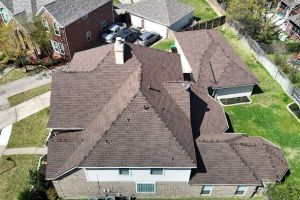
After five years, most roofs will show minimal signs of wear and tear, especially if well-maintained. However, there are subtle changes that homeowners should be aware of. The shingles or roofing materials will begin to lose their original color due to sun exposure. While this may not affect the functionality, it can give the roof an aged look.
Additionally, small debris such as leaves, twigs, and dirt may accumulate in gutters, causing potential clogs. This can lead to water pooling on the roof, which over time could result in leaks or mold growth. Checking your roof for these issues early can help prevent more serious damage in the long term.
At this stage, it’s a good idea to have a professional roofing inspection to ensure that your roof is still performing optimally and to address any minor repairs before they escalate.

Austin Roof Specialists
2401 W Whitestone Blvd, Cedar Park, TX 78613, USA
3. Changes That Happen After 10 Years
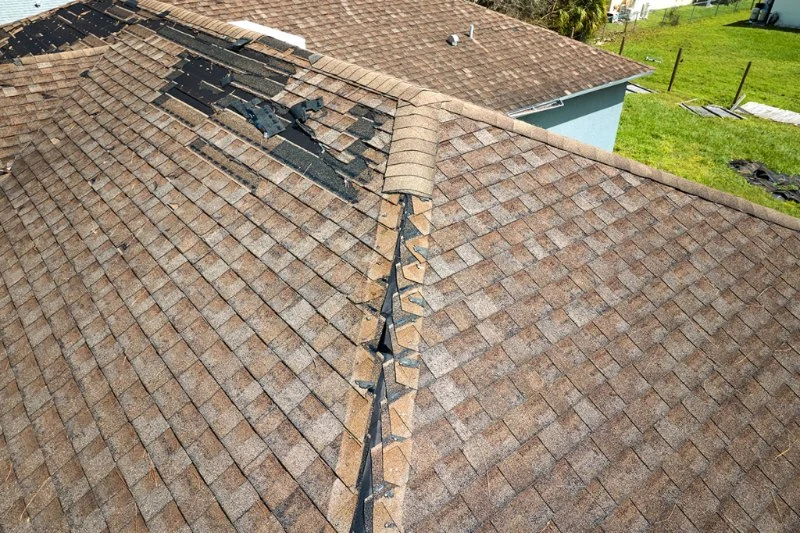
After a decade, roofs start to show more noticeable signs of aging. At this point, wear and tear become more visible, especially in areas like the roof valleys and seams. Shingles or tiles may begin to curl, crack, or lose granules. These signs indicate that the roof is nearing the end of its prime and may be vulnerable to leaks.
The protective layers of the roofing material will have begun to degrade, and depending on the material, the roof might start to lose its waterproofing abilities. At this stage, a thorough inspection is recommended, including checking for any weak spots, water damage, or mold.
Homeowners may also need to replace some shingles or flashing. However, if well-maintained, a roof in its tenth year could still have a few more years of service left before a full replacement is necessary.
4. Changes That Happen After 20 Years
After 20 years, most roofing materials begin to show significant signs of aging. Shingles or tiles may have numerous cracks, large areas of missing granules, or curled edges. At this point, a roof is no longer in its prime and likely requires replacement to avoid leaks and further damage.
The risk of water infiltration increases as the roof’s protective coating wears off, and mold or mildew could begin to form. Leaks become more likely, especially after heavy rain or snowstorms. A 20-year-old roof is often nearing the end of its life, and while repairs may temporarily extend its functionality, replacement is the most reliable option.
5. Maintaining Your Roof for Longevity
Proper maintenance is key to ensuring your roof lasts as long as possible. Regular inspections, gutter cleaning, and prompt repairs are essential in keeping your roof in top condition. Homeowners should consider scheduling professional roof inspections every 2-3 years to detect any issues early.
Other maintenance practices include trimming trees near your roof to prevent branches from causing damage, ensuring proper attic ventilation to prevent heat buildup, and replacing missing shingles or tiles immediately. Addressing minor issues quickly can prevent them from evolving into expensive repairs or a full replacement.
6. Case Study and Real-Life Examples
A family in Arizona had their roof inspected after 10 years of use, and it showed signs of wear, including cracked tiles and some loose shingles. They opted for targeted repairs, including replacing a few tiles and resealing the roof. Their roof lasted another 5 years without major issues before needing a full replacement, which saved them from early replacement costs.
Another example comes from a homeowner in Florida who neglected regular roof inspections. After 20 years, the roof had severe water damage and multiple leaks. They had to replace the entire roof, which resulted in higher costs due to the extensive damage. Regular maintenance could have prevented this.
These case studies highlight how maintaining your roof at different stages of its life can save you from costly repairs or premature replacement.
For expert roofing services and high-quality materials to help maintain or replace your roof, visit Total Roofing Hub. We provide everything you need to keep your roof in top condition, no matter how old it is.
 Southern Brush Painting LLC5.0 (2 reviews)
 The Woodlands Roofers0.0 (0 reviews)
 Armour Roofing Contractor5.0 (20 reviews)
 Superior Services of PA & MD0.0 (0 reviews)
 Garcia Seamless Gutters5.0 (45 reviews)
 Byrd's Contracting, LLC4.0 (18 reviews)
 Roof Cleaning Guide for Different Roof Types | Best Practices
 How Much Does a New Roof Cost in 2025? – Comprehensive Guide
 The Best Roofing Materials for Cold Climates: A Complete Homeowner's Guide
 The Complete Guide to Metal Roofing Systems
 Top 10 Signs Your Roof Needs Immediate Repair
 How to Spot Hail Damage on Your Roof | Essential Roof Inspection Tips