Best Practices for Roof Cleaning without Damaging Materials
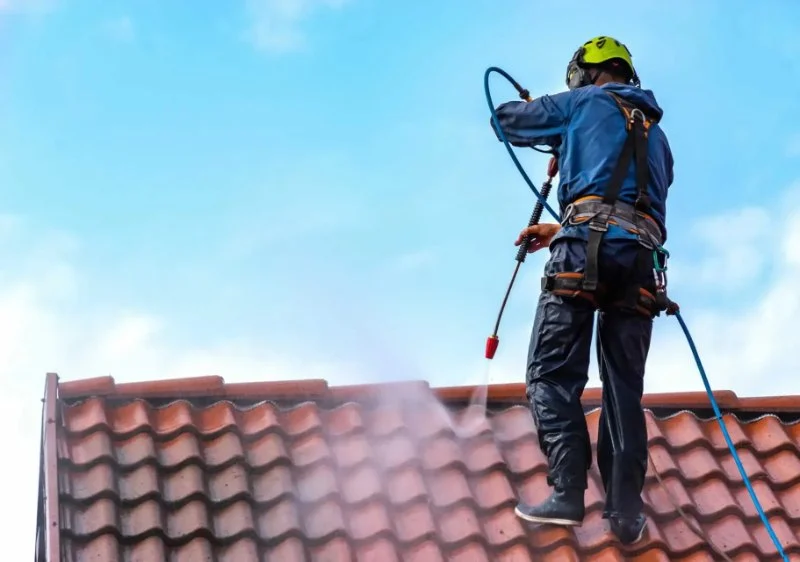
Cleaning your roof is a vital part of roof maintenance, but it must be done correctly to avoid damaging the roofing materials. Whether you have shingles, tiles, or metal roofing, following the right cleaning methods can extend the life of your roof and enhance its appearance. In this guide, we'll explore the best practices for roof cleaning, ensuring that you remove dirt, moss, and debris without causing any harm to the roofing materials.
- 1. General Roof Cleaning Tips
- 2. Cleaning Asphalt Shingles
- 3. Cleaning Tile Roofs
- 4. Cleaning Metal Roofs
- 5. Best Cleaning Products for Roofs
- 6. DIY vs. Professional Roof Cleaning
1. General Roof Cleaning Tips
Before you begin cleaning your roof, it’s important to understand the material you're working with and how to approach the cleaning process. Never use pressure washers on roofing materials unless specified by the manufacturer, as this can cause water to seep under the shingles or tiles, leading to leaks. Always use soft brushes and gentle cleaning solutions to avoid causing damage.
2. Cleaning Asphalt Shingles
Asphalt shingles are one of the most common roofing materials, but they require special care when cleaning. Use a soft-bristled brush to remove debris like leaves and moss. For tougher stains, a cleaning solution made of water, bleach, and a mild detergent is effective. Always ensure you’re applying the solution with a low-pressure sprayer to avoid damaging the granules of the shingles.
3. Cleaning Tile Roofs
Tile roofs, whether clay or concrete, can withstand harsh conditions but require careful attention. Always clean tiles using a soft broom or a low-pressure water sprayer. Avoid stepping on the tiles, as they can crack under weight. For stubborn stains, a mixture of water and a gentle cleaning agent can be applied to restore the roof’s appearance.
4. Cleaning Metal Roofs
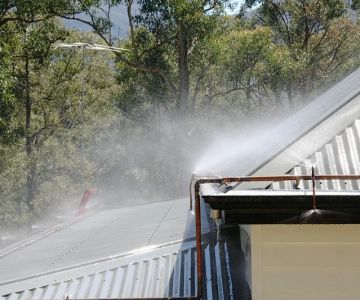
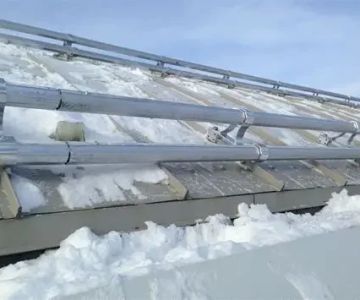
Metal roofs are durable and resistant to various weather conditions, but they still require regular cleaning. Use a soft cloth or a mop to wash metal roofs. For moss or algae removal, a solution of water and a mild detergent works best. Be sure to clean the metal in sections to avoid leaving streaks, especially if the roof has a painted finish.
5. Best Cleaning Products for Roofs
When it comes to roof cleaning, choosing the right products is essential. Look for cleaning agents that are specifically designed for roofs and are gentle on the materials. For general cleaning, you can use a mixture of water and mild soap. For tough moss, algae, or mildew stains, a commercial roof cleaner containing bleach or hydrogen peroxide can be effective, but make sure to follow the manufacturer’s instructions.
6. DIY vs. Professional Roof Cleaning
While DIY roof cleaning is feasible for many homeowners, it’s important to know your limitations. If your roof is steep or you’re unsure about cleaning methods, hiring a professional is the best choice. Professionals are equipped with the right tools and knowledge to clean your roof without damaging it. However, for smaller jobs, DIY cleaning can be both cost-effective and efficient.
Roof cleaning is a crucial task to keep your home safe and maintain its aesthetic appeal. By following the best practices outlined in this article, you can ensure your roof stays in great condition without causing damage. If you need professional assistance or high-quality cleaning products, visit Total Roofing Hub for expert roofing solutions and products.
 Marc Joseph remodeling5.0 (1 reviews)
 PRS Roofing Inc5.0 (9 reviews)
 KAPS CONSTRUCTION4.0 (5 reviews)
 Marshall Exteriors, LLC4.0 (213 reviews)
 S.W.A.T. Roofing & Consulting4.0 (46 reviews)
 MATFI RENOVATIONS LLC5.0 (23 reviews)
 Siding Material Fire Ratings: What’s Required & What to Choose
 Roof Talk: Common Terminology Every Homeowner Should Know
 How Often Should You Replace Your Home's Siding? Expert Tips on Siding Longevity
 The Average Lifespan of Asphalt Shingle Roofs: How Long Do They Last?
 How to Choose a Reliable Roofing Contractor Near You | Top Tips and Questions
 Should I Repair or Replace My Roof? – Expert Guide for U.S. Homeowners