- 1. Understanding Siding and Sun Exposure
- 2. How Sun Exposure Affects Your Siding
- 3. Preventing Sun Damage to Siding
- 4. Best Siding Materials for High Sun Exposure Zones
- 5. Regular Maintenance Tips for Siding in Hot Climates
1. Understanding Siding and Sun Exposure
Siding is an essential part of your home’s exterior, serving not only to protect the structure but also to enhance its curb appeal. However, if you live in a region with high sun exposure, your siding is more vulnerable to damage caused by ultraviolet (UV) rays, heat, and constant weathering. Over time, the sun can fade, crack, and weaken your siding materials, leading to costly repairs or replacements.
For homeowners in hot climates or areas with long summers, understanding how sun exposure impacts your siding is crucial. This article will provide helpful tips for maintaining your siding and extending its lifespan, ensuring that your home stays protected and visually appealing despite the harsh sun.
2. How Sun Exposure Affects Your Siding
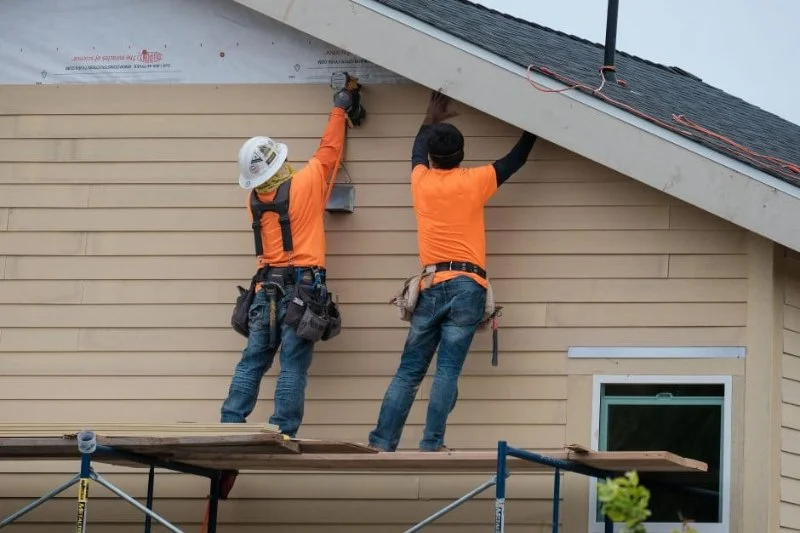
The sun’s UV rays can have a damaging effect on siding materials. Prolonged exposure can cause fading, discoloration, warping, and even structural damage. Here are some specific ways that sun exposure affects different types of siding:
A and J Roofing Service
PittsburghAllegheny CountyPennsylvania
988 Greentree Rd, Pittsburgh, PA 15220, USA
2.1 Fading and Discoloration
Over time, the intense UV rays from the sun can cause the pigments in your siding to break down, leading to fading and discoloration. This is particularly noticeable in vinyl siding, which can lose its vibrant color and become dull after prolonged exposure. Wood siding may also discolor, turning gray as it loses its natural hue.
2.2 Warping and Cracking
In addition to discoloration, the heat from the sun can cause siding materials to warp or crack. Vinyl siding is especially vulnerable to this kind of damage. When exposed to constant heat, the material may expand and contract, eventually leading to gaps, cracks, or buckling. Wooden siding can also warp under heat, and the finish may start to peel or chip away.
2.3 Structural Weakening
Prolonged sun exposure can also weaken the structural integrity of siding materials, especially those made from wood, fiber cement, and other composite materials. The constant exposure to heat and UV rays can dry out the material, making it brittle and prone to damage. In the case of wood siding, this can lead to rotting or cracking if left unaddressed.
3. Preventing Sun Damage to Siding
While sun damage is inevitable over time, there are several strategies you can implement to protect your siding and reduce the impact of UV exposure. Here are some effective ways to prevent sun damage:
3.1 Regular Cleaning
One of the best ways to prevent sun damage is to regularly clean your siding. Dirt, debris, and grime can trap moisture on the surface of your siding, accelerating the wear and tear caused by the sun. Clean your siding at least once a year using a mild detergent and a soft brush to remove dirt and prevent discoloration.
3.2 Applying UV-Protective Coatings
Consider applying a UV-protective coating to your siding. These coatings create a protective layer on the surface of your siding that shields it from harmful UV rays. Many products are available for both vinyl and wood siding, and they can help maintain the color and structural integrity of your siding for years to come. Be sure to follow manufacturer instructions for application to ensure maximum effectiveness.
3.3 Use of Shade or Awnings
If possible, consider installing shading devices such as awnings or pergolas over areas of your home that receive the most sun exposure. Not only do these structures provide shade and keep your home cooler, but they can also help protect your siding from direct sunlight, reducing the risk of fading and cracking.
4. Best Siding Materials for High Sun Exposure Zones
When choosing siding for your home in a high sun exposure zone, it’s essential to select materials that are durable and resistant to UV damage. Here are some of the best siding options for sun-drenched areas:
4.1 Fiber Cement Siding
Fiber cement siding is a great choice for homes in high sun exposure zones. It’s highly durable and resistant to both UV rays and extreme temperatures. Unlike vinyl siding, fiber cement doesn’t warp or fade in the sun, making it a long-lasting option for homeowners looking to protect their investment.
4.2 Metal Siding
Metal siding, particularly aluminum and steel, is another excellent option for homes in areas with intense sunlight. Metal siding is resistant to fading, cracking, and warping, and it can reflect sunlight, helping to keep your home cooler in the summer months. It’s also fire-resistant, providing an added layer of protection.
4.3 Engineered Wood Siding
Engineered wood siding is designed to withstand the effects of sun exposure and extreme weather. It combines the natural look of wood with enhanced durability and resistance to UV rays. It’s a good alternative to traditional wood siding, offering protection from fading and cracking while maintaining an attractive appearance.
5. Regular Maintenance Tips for Siding in Hot Climates
Maintaining your siding in high sun exposure zones requires a bit of extra care and attention. Here are some regular maintenance tips to ensure that your siding stays in top shape:
5.1 Inspect for Damage
Perform regular inspections of your siding to check for any signs of sun damage, such as fading, cracking, or warping. Early detection of problems allows you to address them before they escalate into more costly repairs.
5.2 Repainting or Resealing
For wood or fiber cement siding, periodic repainting or resealing may be necessary to protect the surface from sun damage. A fresh coat of paint or sealant not only restores the appearance of your siding but also adds an additional layer of protection against UV rays.
5.3 Trim Overhanging Trees
If you have trees near your home, make sure to trim any overhanging branches that could cast shade on your siding. This helps to reduce the risk of moisture buildup, mold growth, and sun damage caused by uneven exposure to the elements.
In conclusion, siding maintenance in high sun exposure zones requires regular attention and proactive steps to prevent damage. By choosing the right materials, applying protective coatings, and performing routine maintenance, you can significantly extend the lifespan of your siding and keep your home looking great. For more expert advice on siding care and the best products for your home, visit Total Roofing Hub for reliable recommendations and services.
 Essence Home Remodeling5.0 (18 reviews)
 Bartlett Brainard Products Co.4.0 (40 reviews)
 BesTex Solutions4.0 (252 reviews)
 T6 Homes: Roofing and Construction5.0 (23 reviews)
 Bolt Roofing5.0 (143 reviews)
 Sp Roofing LLC4.0 (64 reviews)
 How to Choose a Reliable Roofing Contractor Near You | Expert Tips
 The Complete Guide to Metal Roofing Systems
 Best Roofing Materials for Cold Climates – Durable Options for Winter
 How to Choose Roofing for Flat vs Pitched Garages & Sheds
 How to Spot Hail Damage on Your Roof
 How to Budget for a Roof Replacement Project | Expert Tips