Siding Boards That Resist Fading & Discoloration
- 1-Why Choose Fading-Resistant Siding Boards?
- 2-Types of Siding Materials That Resist Fading & Discoloration
- 3-Benefits of Choosing Fading-Resistant Siding for Your Home
- 4-How to Maintain Siding Boards to Prevent Fading
- 5-Explore Siding Options at Total Roofing Hub
1. Why Choose Fading-Resistant Siding Boards?
When it comes to enhancing the curb appeal and longevity of your home, siding plays a vital role. However, traditional siding materials can often suffer from fading and discoloration over time, especially when exposed to harsh weather conditions, UV rays, and pollution. This can lead to a worn-out appearance and costly replacements.
Fading-resistant siding boards are designed to combat these issues, offering homeowners a durable and aesthetically pleasing solution that maintains its color for years. These materials are built to withstand the elements and retain their vibrant appearance, reducing the need for frequent maintenance and repainting.
1Roof International
1382 Valencia Ave Building B #101, Tustin, CA 92780, USA
2. Types of Siding Materials That Resist Fading & Discoloration
Several siding materials are designed to resist fading and discoloration. The best option for your home will depend on factors such as climate, budget, and aesthetic preferences. Below are some popular siding materials known for their resistance to fading:
Hudson & Sons Roof Repair
Baldwin ParkLos Angeles CountyCalifornia
3223 Baldwin Park Blvd #478, Baldwin Park, CA 91706, USA
2.1 Vinyl Siding
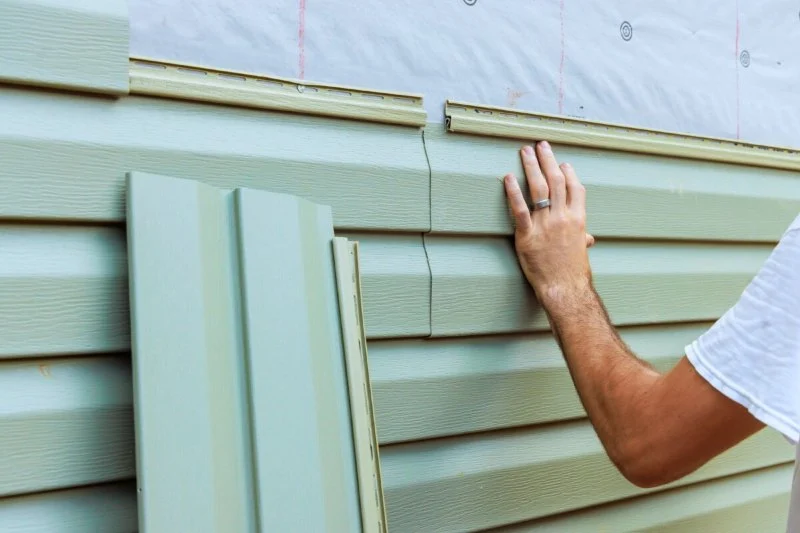
Vinyl siding is one of the most popular choices for homeowners due to its affordability, ease of maintenance, and resistance to fading. Unlike traditional paint, vinyl siding has color integrated into the material, which means it won’t peel or chip. Many manufacturers use UV inhibitors in the manufacturing process, helping vinyl siding retain its color for longer periods. High-quality vinyl siding can last 30 years or more without fading significantly.
2.2 Fiber Cement Siding
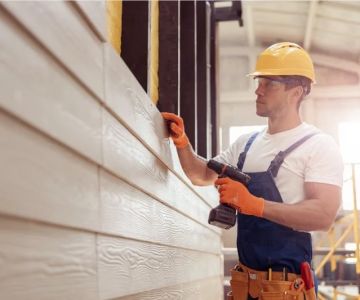
Fiber cement siding, made from a mixture of cement, sand, and cellulose fibers, is another durable option that resists fading and discoloration. This material is highly resistant to the effects of UV rays and weathering. It can mimic the look of wood, stucco, or masonry, providing a classic appearance that remains vibrant for years. Fiber cement also holds up well to temperature fluctuations, making it ideal for areas with extreme weather conditions.
2.3 Engineered Wood Siding
Engineered wood siding is a more eco-friendly alternative to traditional wood siding. It is designed to resist fading and discoloration better than natural wood, and it offers a beautiful, natural appearance. Many engineered wood products are coated with a protective finish that helps preserve their color, preventing the wood from darkening or turning gray over time. Proper maintenance, such as cleaning and sealing, can further extend its lifespan.
2.4 Metal Siding
Metal siding, including aluminum and steel, is another durable option for homeowners seeking a fade-resistant solution. Both materials are coated with protective finishes that prevent the siding from losing its color or rusting over time. Metal siding is highly resistant to environmental factors and can last for decades with minimal maintenance. Additionally, metal siding is available in a range of colors and finishes to suit various home styles.
3. Benefits of Choosing Fading-Resistant Siding for Your Home
Choosing fading-resistant siding provides numerous benefits, both for the aesthetic appeal and long-term durability of your home. Here are some of the top advantages:
3.1 Enhanced Curb Appeal
One of the most obvious benefits of fading-resistant siding is its ability to maintain the appearance of your home over time. Fading and discoloration can make your house look old and worn out, which can negatively affect its curb appeal. Fading-resistant siding ensures that your home maintains its vibrant color and fresh appearance, increasing its overall appeal.
3.2 Low Maintenance
Fading-resistant siding materials require less upkeep than traditional options. Since these materials are designed to resist discoloration, homeowners don’t have to worry about repainting or refinishing their siding regularly. This not only saves time but also money, as you won’t need to make frequent repairs or touch-ups.
3.3 Increased Home Value
Homes with well-maintained exteriors often have higher resale values. By investing in fade-resistant siding, you’re improving the appearance and durability of your home, which can lead to a higher return on investment when it comes time to sell. Potential buyers will appreciate the low maintenance and long-lasting beauty that these materials provide.
3.4 Long-Term Durability
Fading-resistant siding materials are built to last. They can withstand the elements, including UV rays, heavy rain, and temperature fluctuations, without losing their color or structural integrity. This longevity helps you get the most value out of your investment, as you won’t have to replace or repair your siding as often.
4. How to Maintain Siding Boards to Prevent Fading
Although fading-resistant siding is designed to last for years, proper maintenance is still essential to ensure its longevity. Here are some tips for maintaining your siding to prevent fading:
4.1 Clean Regularly
Regular cleaning is essential to prevent dirt, grime, and mildew from accumulating on your siding. Use a soft brush and a mild cleaning solution to wash the siding every few months, particularly in areas with high humidity. Pressure washing can also be an effective way to clean siding, but be sure to use a low-pressure setting to avoid damaging the material.
4.2 Protect from Direct Sunlight
While fade-resistant siding is designed to handle sunlight exposure, prolonged direct sunlight can still cause some fading over time. Consider installing awnings, shading devices, or planting trees near your home to provide shade and protect your siding from excessive UV exposure.
4.3 Seal and Maintain
For certain types of siding, such as wood or engineered wood, sealing is essential to prevent moisture damage and preserve color. Apply a protective sealant as recommended by the manufacturer to keep your siding looking fresh. For metal or vinyl siding, check for cracks or gaps regularly and seal them to prevent water infiltration.
5. Explore Siding Options at Total Roofing Hub
If you’re considering upgrading your home’s exterior, Total Roofing Hub offers a wide selection of siding options that resist fading and discoloration. Whether you’re looking for vinyl, fiber cement, engineered wood, or metal siding, we provide high-quality materials that are built to last.
Visit Total Roofing Hub for expert advice on selecting the best siding material for your home, as well as professional installation services to ensure your investment stands the test of time. Protect your home’s beauty and value with siding that resists fading and discoloration.
 Hales Roofing LLC4.0 (154 reviews)
 SCG Roofing5.0 (106 reviews)
 Da General Contractors5.0 (4 reviews)
 Precision Roofing, LLC4.0 (78 reviews)
 Allegiance Roofing & Exteriors5.0 (126 reviews)
 Keystone Roofing5.0 (1 reviews)
 How to Choose a Reliable Roofing Contractor Near You: A Step-by-Step Guide
 Best Ways to Inspect Your Siding After Summer Storms
 How to Inspect Your Roof & Siding Safely from the Ground | Pro Found Roofing
 The Average Lifespan of Asphalt Shingle Roofs: What Homeowners Need to Know
 The Latest Roofing Material Innovations in Polymer & Composite Technologies
 How to Deal with Roof Moss & Lichen without Damage