
- 1 - Why Identifying Hail Damage on Your Roof Is Important
- 2 - Common Signs of Hail Damage on Shingles
- 3 - Checking Gutters, Vents, and Metal Surfaces for Clues
- 4 - Indoor Warning Signs That Point to Roof Damage
- 5 - Real Case: Homeowner’s Experience With Hidden Hail Damage
- 6 - DIY Roof Inspection Tips After a Hailstorm
- 7 - Why Professional Roof Inspections Are Crucial
- 8 - Filing an Insurance Claim for Hail Damage
- 9 - Long-Term Strategies to Protect Your Roof From Future Storms
1. Why Identifying Hail Damage on Your Roof Is Important
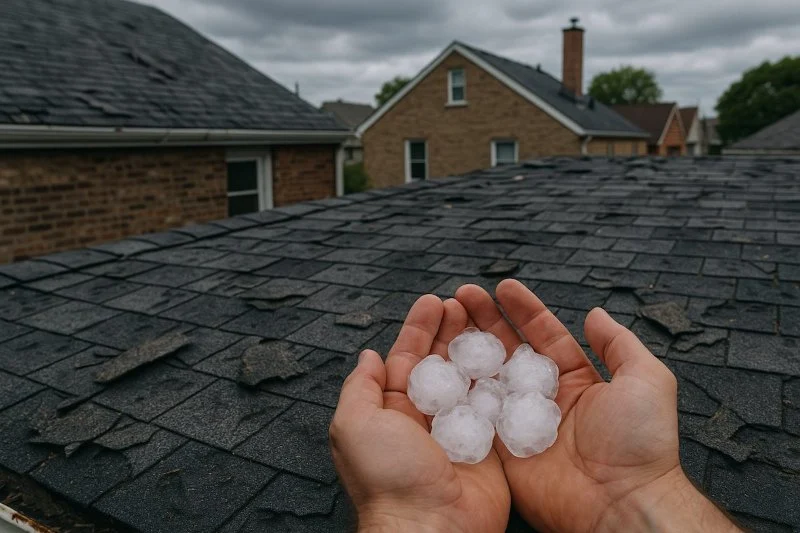
Hailstorms are one of the leading causes of roof damage in the United States, especially in states like Texas, Colorado, and Oklahoma. Even if the damage isn’t immediately obvious, small dents and cracks can shorten your roof’s lifespan and lead to expensive leaks. Spotting hail damage early ensures that you can take advantage of insurance coverage and avoid costly structural repairs.

Wolfstone Construction LLC
PetersburgGrant CountyWest Virginia
1 Maple Hill Ave STE 2, Petersburg, WV 26847, USA
2. Common Signs of Hail Damage on Shingles
Shingles are the first line of defense against hail, and they often reveal the earliest signs of impact. Look for dark spots where granules have been knocked off, exposing the asphalt beneath. Shingles may also show bruising or soft spots that feel spongy when touched. In severe cases, shingles can crack or break entirely, leaving your roof vulnerable to water infiltration.

3. Checking Gutters, Vents, and Metal Surfaces for Clues
Beyond shingles, hail often leaves visible dents in gutters, flashing, vents, and metal roof accents. These areas act as reliable indicators of storm severity. If you see multiple dents in your gutters, it’s a strong sign your shingles may have been compromised as well. Always check these components during your inspection, as they can provide important evidence for insurance claims.
4. Indoor Warning Signs That Point to Roof Damage
Sometimes hail damage doesn’t show on the roof surface right away but becomes visible inside your home. Water stains on ceilings, peeling paint, or damp spots on walls may all indicate leaks caused by compromised shingles. If left unchecked, these issues can escalate into mold growth and significant interior damage.
5. Real Case: Homeowner’s Experience With Hidden Hail Damage
One homeowner in Kansas ignored minor dents on their metal gutters after a hailstorm, assuming no serious damage had occurred. Months later, water began seeping into their attic, leading to thousands of dollars in repairs. Had they inspected their shingles immediately, they would have discovered widespread granule loss and cracked shingles. This case highlights the importance of addressing even small hail impacts quickly.
6. DIY Roof Inspection Tips After a Hailstorm
For safety reasons, you should avoid climbing on your roof without proper equipment. However, you can use binoculars to inspect shingles from the ground. Walk around your home to check for granules in gutters or on the ground, as these can indicate hail impact. Taking photos of dents and damaged areas immediately after the storm helps document the damage for both repairs and insurance claims.
7. Why Professional Roof Inspections Are Crucial
While DIY inspections can reveal surface-level damage, professional roofers have the expertise to uncover hidden structural issues. Certified inspectors can identify problems that homeowners often overlook and provide detailed reports necessary for insurance coverage. At Total Roofing Hub, you can connect with trusted professionals who ensure nothing is missed during the inspection process.
8. Filing an Insurance Claim for Hail Damage
Insurance companies typically cover hail-related roof damage, but successful claims require proper documentation. Always file your claim as soon as possible after the storm and include photos, inspection reports, and receipts for temporary repairs. Acting quickly increases the likelihood of a smoother approval process and ensures timely compensation.
9. Long-Term Strategies to Protect Your Roof From Future Storms
Preventive measures can significantly reduce the risk of hail damage. Impact-resistant shingles, reinforced roofing materials, and regular maintenance all strengthen your home’s defenses. Investing in these upgrades may even qualify you for reduced insurance premiums. With proactive care, you can extend your roof’s lifespan and minimize storm-related risks.
 Skyline Designs Roofing5.0 (99 reviews)
 Perfect Roofing Installations4.0 (60 reviews)
 Dog Tags Construction LLC4.0 (16 reviews)
 Gutter Shutter of Central Maryland5.0 (9 reviews)
 Sam Cline Handyman Services4.0 (37 reviews)
 Paramount Builders Inc.4.0 (302 reviews)
 Should I Repair or Replace My Roof?
 Top 10 Signs Your Roof Needs Immediate Repair Before It’s Too Late
 The Pros and Cons of Vinyl Siding: Is It the Right Choice for Your Home?
 How to Choose a Reliable Roofing Contractor Near You – Expert Tips
 Top 10 Signs Your Roof Needs Immediate Repair You Shouldn’t Ignore
 How to Spot Hail Damage on Your Roof | Quick Guide for Homeowners