
- Understanding What an Ice Dam Is
- How Ice Dams Form
- Signs of an Ice Dam and What It Can Do to Your Roof
- How to Prevent Ice Dams on Your Roof
- When to Call the Experts
1. Understanding What an Ice Dam Is
Ice dams are a significant concern for homeowners during the winter months. These frozen barriers form along the edge of the roof, preventing melting snow from properly draining off. As a result, water can back up and seep into the home, causing potential damage to the interior of the house, as well as the roofing system. Understanding what an ice dam is, and how it forms, is the first step to preventing its impact on your property.
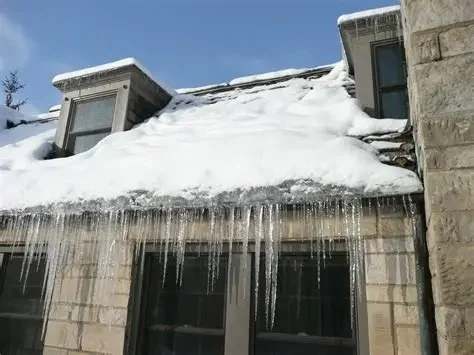
In simple terms, an ice dam is a ridge of ice that forms at the roof’s edge, usually near the gutters, preventing water from draining off the roof. As snow on the roof melts due to the heat from inside the home, the water runs down to the cold edges of the roof, where it refreezes, forming a barrier of ice. This blockage leads to water accumulation behind it, creating the potential for severe roof damage.
Tidewater in the Valley, Inc.
Front RoyalWarren CountyVirginia
98 Aspen Ln, Front Royal, VA 22630, USA
2. How Ice Dams Form
Ice dams are created by a combination of temperature differences and improper attic insulation. Let’s break down how they form:
2.1 Snow Melts and Runs Down
The process begins when heat from inside the house escapes into the attic, warming the roof and causing the snow on the roof to melt. As the water from the melting snow begins to run down the roof, it reaches the cold overhang areas near the roof’s edge, which remain frozen.
2.2 Water Refreezes and Forms Ice
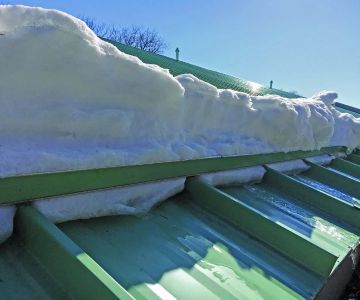
As the water continues to flow toward the colder areas of the roof, it refreezes, forming a layer of ice along the roof’s edge. This layer of ice eventually blocks the flow of water, preventing any further drainage.
2.3 Ice Dam Grows and Traps Water
Once an ice dam starts to form, it grows in size as more water flows down and refreezes. The trapped water behind the dam can eventually back up under the shingles and seep into the home, causing leaks and water damage inside the attic, ceilings, and walls.
3. Signs of an Ice Dam and What It Can Do to Your Roof
Knowing the signs of an ice dam is essential to prevent damage. Here are some common indicators:
3.1 Icicles Hanging from the Roof
While icicles may seem like a natural part of winter, large, persistent icicles hanging from the roof’s edge are a sign of a potential ice dam. Icicles form when the melted snow runs down the roof and refreezes at the edges, creating a buildup of ice.
3.2 Water Stains in the Attic or Ceiling
If you notice water stains on the ceiling or in the attic, this could be a sign that an ice dam has caused water to leak into the interior of your home. This damage can lead to costly repairs if not addressed promptly.
3.3 Gutters Clogged with Ice
If your gutters are filled with ice and snow, it could indicate that an ice dam is present. The ice in the gutters can prevent proper drainage and worsen the water backup behind the dam.
3.4 Shingle Damage and Roof Rot
Ice dams can also cause physical damage to the roof itself. The constant buildup of ice and trapped water can lift shingles and weaken the roof structure. If left untreated, this can lead to roof rot and other long-term structural problems.
4. How to Prevent Ice Dams on Your Roof
Preventing ice dams starts with ensuring proper attic insulation and ventilation. Here are some effective strategies:
4.1 Insulate Your Attic
Proper attic insulation helps maintain the temperature of the roof, preventing the snow from melting too quickly. Insulation will also reduce the amount of heat that escapes into the attic, which is the primary cause of ice dams. Focus on insulating areas around vents and the roof to avoid uneven heating.
4.2 Improve Roof Ventilation
Roof ventilation is essential for maintaining a consistent roof temperature. Proper airflow prevents the roof from getting too warm, which can lead to rapid snowmelt. Ensure your attic has adequate ventilation with soffit vents, ridge vents, and exhaust fans to keep air circulating throughout the space.
4.3 Use Heat Cables
Installing heat cables along the edges of the roof can help prevent ice from forming in the first place. These cables warm up the roof edge, allowing the snowmelt to flow off the roof and into the gutters, preventing ice buildup.
4.4 Clean Your Gutters
Clogged gutters are a common culprit in ice dam formation. Regularly clean your gutters to ensure water can flow freely off the roof. This helps prevent ice from building up at the roof’s edge and allows snowmelt to be properly drained.
5. When to Call the Experts
If you suspect an ice dam is forming, it’s best to address it as soon as possible. However, if you’re unsure how to safely remove an ice dam, or if the damage has already occurred, it's time to call in the professionals. Roofing experts can help assess the situation and provide safe solutions to remove the ice dam without causing damage to your roof.
For more tips on maintaining your roof and preventing ice dams, or to get help from qualified experts, visit Total Roofing Hub, where you can find trusted professionals who specialize in roof care and winter maintenance.

 Marc Joseph remodeling5.0 (1 reviews)
 PRS Roofing Inc5.0 (9 reviews)
 KAPS CONSTRUCTION4.0 (5 reviews)
 Marshall Exteriors, LLC4.0 (213 reviews)
 S.W.A.T. Roofing & Consulting4.0 (46 reviews)
 MATFI RENOVATIONS LLC5.0 (23 reviews)
 Siding Material Fire Ratings: What’s Required & What to Choose
 Roof Talk: Common Terminology Every Homeowner Should Know
 How Often Should You Replace Your Home's Siding? Expert Tips on Siding Longevity
 The Average Lifespan of Asphalt Shingle Roofs: How Long Do They Last?
 How to Choose a Reliable Roofing Contractor Near You | Top Tips and Questions
 Should I Repair or Replace My Roof? – Expert Guide for U.S. Homeowners