

How to Spot Hail Damage on Your Roof
- Identifying Hail Damage on Your Roof
- Common Signs of Hail Damage
- How to Inspect Your Roof for Hail Damage
- When to Call a Professional for Hail Damage
- Preventing Future Hail Damage to Your Roof
Identifying Hail Damage on Your Roof
Hailstorms are a common occurrence in many parts of the United States, especially during the warmer months. However, they can leave behind significant damage to your roof. It's essential to understand how to spot hail damage on your roof so that you can take the necessary steps to address it. Hail damage can affect various types of roofing materials, including asphalt shingles, metal roofs, and tile roofs, and can lead to costly repairs if not addressed promptly.

Bayside Builders CA
Los AngelesLos Angeles CountyCalifornia
6320 Van Nuys Blvd #405, Van Nuys, CA 91401, USA
Common Signs of Hail Damage
When inspecting your roof after a hailstorm, there are several key indicators to look for to determine if your roof has sustained damage:

roof company Better Home Remodeling
WinchendonWorcester CountyMassachusetts
42 Juniper St, Winchendon, MA 01475, USA
1. Dented Shingles or Tiles
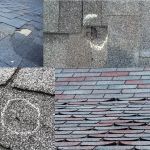
One of the most obvious signs of hail damage is the presence of dents or dings on your roof's shingles or tiles. Asphalt shingles may have round, dark spots where the protective granules have been knocked off by the hailstones. On tile roofs, you might notice cracks or broken tiles that have been directly impacted by larger hailstones.
2. Granule Loss
Asphalt shingles rely on granules to protect the roof from UV rays and weather damage. If hailstones have struck the shingles with enough force, the granules may become dislodged. This can lead to bald spots on the shingles, which will cause the roof to deteriorate more quickly over time. You may notice piles of granules in your gutters or around your downspouts after a storm, which is a sign of damage.
3. Cracks or Fractures
Hail can cause severe damage to roof materials, leading to cracks or fractures. These cracks may appear on shingles or tiles and could result in leaks during rainstorms. It's important to inspect your roof for visible cracks, especially after a heavy hailstorm.
4. Roof Leaks
If you notice leaks inside your home after a hailstorm, it may be a sign that your roof has been damaged. Hail can create holes or fractures that allow water to seep into your home. Even small leaks should be addressed immediately to prevent further damage to your home’s structure.
How to Inspect Your Roof for Hail Damage
Once you've identified the signs of hail damage, the next step is to safely inspect your roof to assess the extent of the damage. Here’s a step-by-step guide on how to inspect your roof:
1. Perform a Ground-Level Inspection
Start by walking around your property and observing your roof from the ground. Look for any visible damage, such as missing shingles, cracked tiles, or signs of granule loss. Using binoculars can help you get a closer look at areas that are difficult to reach.
2. Use a Ladder for a Closer Inspection
If you're comfortable and it's safe to do so, use a ladder to get a closer look at the roof. Examine the shingles or tiles for any dents, cracks, or bald spots. Be cautious when climbing the ladder, and make sure the ground is stable to avoid accidents.
3. Check the Gutters
Inspect your gutters and downspouts for granules that may have come off the shingles. The presence of these granules is a clear sign of hail damage. If you find an excessive amount of granules, it’s important to check your roof more thoroughly.
4. Look for Internal Water Damage
If you suspect hail damage but can’t see visible signs on the roof, check the interior of your home. Look for water stains on ceilings or walls, which could indicate that the roof is leaking. Water damage inside the home should never be ignored and often indicates severe roof issues.
When to Call a Professional for Hail Damage
While it’s important to know how to spot hail damage on your roof, certain situations require professional assistance. Here are a few signs that you should call a roofing expert:
- You notice significant damage or multiple missing shingles: If a large portion of your roof has been damaged, it’s best to call a professional for a full inspection and repairs.
- There are leaks inside your home: Roof leaks often signal that the damage is extensive and needs immediate attention.
- You’re unsure about the severity of the damage: A roofing professional can help you determine if repairs are necessary and how much the damage will cost.
Roofing professionals have the expertise and tools needed to properly assess hail damage and perform repairs. It’s always a good idea to hire a licensed roofing contractor to ensure the job is done correctly.
Preventing Future Hail Damage to Your Roof
Although you can’t prevent hailstorms from occurring, there are steps you can take to reduce the risk of hail damage to your roof:
- Consider hail-resistant roofing materials: Materials like impact-resistant shingles or metal roofing can better withstand the impact of hail.
- Regular roof maintenance: Schedule annual roof inspections to ensure your roof is in good condition and identify any potential weaknesses before a hailstorm hits.
- Clear debris from gutters: Keeping gutters free from debris ensures that water can flow properly, reducing the risk of water damage to the roof during storms.
If you’re in need of professional roofing services or want to learn more about the best roofing materials for hail protection, consider visiting Total Roofing Hub for expert advice and quality roofing products.

 Skyline Designs Roofing5.0 (99 reviews)
 Perfect Roofing Installations4.0 (60 reviews)
 Dog Tags Construction LLC4.0 (16 reviews)
 Gutter Shutter of Central Maryland5.0 (9 reviews)
 Sam Cline Handyman Services4.0 (37 reviews)
 Paramount Builders Inc.4.0 (302 reviews)
 Should I Repair or Replace My Roof?
 Top 10 Signs Your Roof Needs Immediate Repair Before It’s Too Late
 The Pros and Cons of Vinyl Siding: Is It the Right Choice for Your Home?
 How to Choose a Reliable Roofing Contractor Near You – Expert Tips
 Top 10 Signs Your Roof Needs Immediate Repair You Shouldn’t Ignore
 How to Spot Hail Damage on Your Roof | Quick Guide for Homeowners