
- 1. What Are Composite and Engineered Siding Panels?
- 2. Benefits of Composite and Engineered Siding
- 3. Types of Composite and Engineered Siding
- 4. Installation of Composite Siding: What You Need to Know
- 5. Maintaining Composite and Engineered Siding
- 6. Should You Choose Composite or Engineered Siding for Your Home?
- 7. Find Siding Experts at Total Roofing Hub
1. What Are Composite and Engineered Siding Panels?
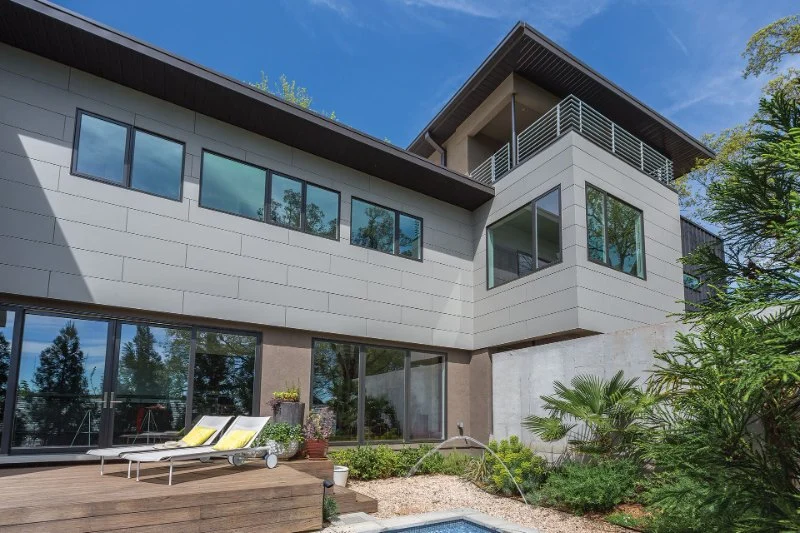
Composite and engineered siding panels are innovative materials designed to provide the aesthetic appeal of traditional wood siding, with added benefits such as durability and low maintenance. These siding panels are made from a mix of wood fibers, resins, and other materials, creating a product that is resistant to rot, pests, and extreme weather conditions. They are engineered to offer enhanced performance while maintaining the natural look of wood.
Unlike traditional wood siding, composite and engineered materials offer improved resistance to the elements, meaning they are less likely to warp, crack, or deteriorate over time. They are a great alternative for homeowners looking to upgrade their home's exterior while reducing maintenance costs in the long run.

2. Benefits of Composite and Engineered Siding
There are numerous advantages to choosing composite and engineered siding materials for your home’s exterior:
- Durability: Composite siding is known for its longevity. These panels are engineered to withstand harsh weather, including rain, wind, and extreme temperatures, making them a long-lasting solution for your home.
- Low Maintenance: Unlike wood siding, which requires regular painting, sealing, and maintenance, composite and engineered siding typically only need occasional cleaning. This makes them an excellent choice for homeowners seeking to minimize upkeep.
- Energy Efficiency: Many composite siding products offer better insulation properties than traditional materials, which can help improve your home’s energy efficiency by maintaining a more consistent indoor temperature.
- Eco-Friendly: Many composite materials are made from recycled content, making them a more sustainable option than other traditional materials like wood or vinyl. This can contribute to reducing your home’s carbon footprint.
- Variety of Aesthetic Options: Composite and engineered siding come in a wide range of styles, colors, and textures, allowing homeowners to achieve the desired look for their home. From a traditional wood appearance to a more modern finish, there’s a style for everyone.
3. Types of Composite and Engineered Siding
There are several types of composite and engineered siding available, each with its unique properties and applications. Here are some of the most popular options:
- Fiber Cement Siding: Made from a blend of sand, cement, and cellulose fibers, fiber cement siding is one of the most popular composite siding materials. It’s incredibly durable, fire-resistant, and low-maintenance, making it a top choice for many homeowners.
- Engineered Wood Siding: Engineered wood siding is made from wood fibers and resins, offering the beauty of wood siding with added durability and resistance to rot and pests. It’s a more affordable alternative to natural wood siding and can be easily painted or stained.
- Vinyl Composite Siding: Vinyl composite siding combines the durability of vinyl with the aesthetic appeal of natural wood. It’s resistant to fading and moisture, providing a cost-effective and low-maintenance option for homeowners.
- Wood-Plastic Composite (WPC) Siding: WPC siding is made from a combination of wood fibers and plastic, offering the best of both worlds—strength and a natural wood look without the maintenance issues of traditional wood siding.
4. Installation of Composite Siding: What You Need to Know
Installing composite and engineered siding is a relatively straightforward process, but it’s important to hire a professional contractor for the best results. The installation process generally involves the following steps:
- Preparation: The first step is to prepare the exterior of the home by removing any old siding, cleaning the surface, and ensuring that the wall is flat and smooth.
- Underlayment Installation: A weather-resistant barrier is typically installed beneath the siding to protect the structure from moisture and temperature changes.
- Panel Installation: The composite panels are then nailed or screwed into place. It’s important to leave proper gaps for expansion and contraction due to temperature fluctuations.
- Finishing: After the panels are installed, finishing touches such as trim, caulking, and painting (if required) are added to complete the installation.
5. Maintaining Composite and Engineered Siding
One of the key benefits of composite and engineered siding is its low-maintenance nature. However, regular care is still needed to ensure its longevity:
- Cleaning: Clean the siding periodically with a pressure washer or garden hose to remove dirt, debris, and any mildew buildup. For stubborn stains, use a mild detergent or siding cleaner.
- Inspecting for Damage: Regularly check for any signs of damage, such as cracks, chips, or discoloration. Promptly address any issues to prevent further damage.
- Repainting: Some types of composite siding, like engineered wood, may require repainting every 5-10 years to maintain their appearance. Fiber cement siding typically doesn’t require painting but may need touch-ups if it gets damaged.
6. Should You Choose Composite or Engineered Siding for Your Home?
Choosing composite or engineered siding for your home depends on several factors, including budget, desired aesthetic, and maintenance preferences. If you are looking for a durable, low-maintenance, and energy-efficient option, composite and engineered siding materials are an excellent choice. They offer a wide range of styles and finishes, ensuring that you can find the perfect match for your home’s exterior.
However, it’s important to factor in installation costs and the specific needs of your home. Consulting with a professional can help you make an informed decision based on your preferences and budget.

7. Find Siding Experts at Total Roofing Hub
If you’re considering composite or engineered siding for your home, reach out to Total Roofing Hub for expert advice and professional installation services. Our team of specialists can help you choose the best siding material for your home and ensure a flawless installation process.

 Roofing Works4.0 (52 reviews)
 Valley Siding Inc4.0 (110 reviews)
 Jasmor Roofing & Contracting4.0 (60 reviews)
 Eltz Home Improvements4.0 (31 reviews)
 Construction Masters4.0 (48 reviews)
 Cool Roofs5.0 (133 reviews)
 Roof Cleaning Guide for Different Roof Types | Best Practices
 Roof Maintenance Calendar: What to Do Each Season
 How to Choose Roof Material Based on Snow Load: Essential Tips for Winter Protection
 Roof Material Recycling: Options & Environmental Impact Explained
 Top 10 Signs Your Roof Needs Immediate Repair: Protect Your Home
 The Pros and Cons of Vinyl Siding