How to Choose Roof Material Based on Snow Load
- 1. Why Snow Load Matters for Roofs
- 2. Factors to Consider When Choosing Roof Material for Snow Load
- 3. Best Roof Materials for High Snow Loads
- 4. How to Calculate Snow Load Capacity for Your Roof
- 5. Additional Tips for Winter Roof Maintenance
1. Why Snow Load Matters for Roofs
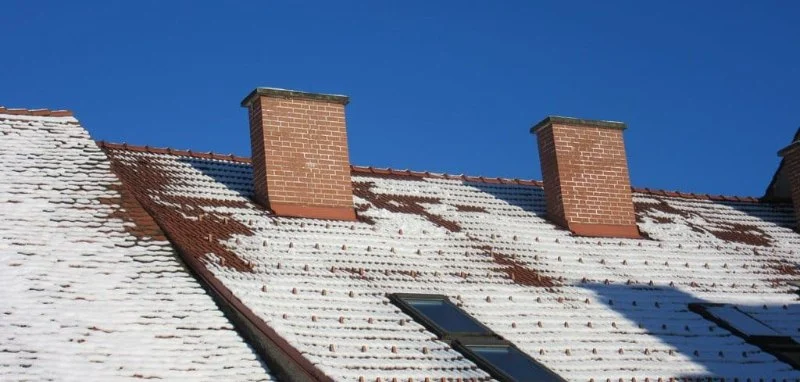
When living in regions prone to heavy snowfall, understanding the concept of snow load is crucial for homeowners and contractors alike. Snow load refers to the weight of accumulated snow that a roof must support during the winter months. If a roof cannot bear the weight of snow, it could collapse, causing serious damage to the home and putting its occupants at risk.
It's essential to account for snow load when designing or renovating a roof. Snow accumulation depends on various factors such as the type of snow, the climate of the region, and the shape of the roof. Whether you're building a new home or replacing an old roof, selecting the right roof material is vital to ensure its durability and safety during winter months.

HammerHead Roofing LLC
KillinglyNortheastern Connecticut Planning RegionConnecticut
542 Main St, Danielson, CT 06239, USA
2. Factors to Consider When Choosing Roof Material for Snow Load
When selecting roofing materials for a region with heavy snowfall, several factors should be taken into account. These factors ensure that your roof can withstand snow load without the risk of collapse or damage.

Handyman Pros of Tallahassee
917 Crossway Rd, Tallahassee, FL 32305, USA
Roof Slope
The slope of your roof significantly impacts how snow accumulates. Steeper roofs allow snow to slide off naturally, reducing the load on the roof. Flat roofs, on the other hand, are more susceptible to snow buildup and may require additional structural support.
Roof Material Durability
Different roofing materials have varying abilities to handle snow loads. Materials like metal, asphalt, and slate are known for their durability and ability to handle the weight of snow effectively. Some materials, like wood shingles, may not be as sturdy, especially in areas with heavy snow accumulation.
Building Codes and Regulations
Before choosing a roof material, it’s important to check local building codes and regulations. Many areas with heavy snowfall have strict codes that dictate the snow load capacity required for roofs, which will directly influence your material choice.
3. Best Roof Materials for High Snow Loads
Not all roof materials are created equal when it comes to handling heavy snow loads. Here are some of the best materials to consider:
Metal Roofing
Metal roofing is one of the best options for areas with high snow load. The smooth surface of metal roofing allows snow to slide off more easily, reducing the accumulation on the roof. Metal roofs are also lightweight yet incredibly durable, making them an excellent choice for snow-prone regions.
Asphalt Shingles
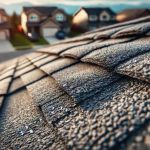
Asphalt shingles are a popular roofing option due to their affordability and effectiveness. They can handle moderate snow loads and are widely used in residential homes. However, in regions with exceptionally heavy snow, they may need to be reinforced with additional structural support.
Slate Roofing
Slate roofing is a heavy and durable option that can withstand heavy snowfalls. While slate is more expensive, its longevity and resistance to snow loads make it an excellent investment for homes in areas with frequent snowfall.
Clay and Concrete Tiles
Clay and concrete tiles are also strong options, but they are heavy and require a reinforced structure to support the weight. These materials are best suited for homes in areas with consistent, heavy snow accumulation.
4. How to Calculate Snow Load Capacity for Your Roof
To determine the snow load capacity of your roof, you’ll need to calculate the total weight that your roof can safely hold. This depends on several factors, including the roof’s design, materials, and slope. A structural engineer or roofing professional can help you with this calculation, but here's a general approach:
- Measure the roof’s slope: Determine the steepness of your roof, as it affects how snow accumulates.
- Consider local snow loads: Research the average snow load for your area. This information is typically available from local building authorities or meteorological services.
- Calculate the weight of the snow: Use snow density data to estimate the weight of the snow. Wet snow can weigh much more than dry snow.
- Factor in your roof material: Different materials have varying weight capacities. Ensure that your roof material can handle the calculated snow load.
If you're unsure about the snow load capacity of your roof, it's best to consult with a roofing professional who can provide specific guidance based on your region’s conditions.
5. Additional Tips for Winter Roof Maintenance
Once you’ve chosen the right roof material for snow load, it’s essential to maintain your roof to prevent damage during the winter months. Here are some tips to keep your roof in top condition:
- Clear snow and ice regularly: Remove snow buildup from your roof after heavy snowfall, especially if your roof is flat. Ice dams can also form at the edge of your roof, preventing proper drainage and causing water damage.
- Inspect for damage: Regularly check for any signs of wear and tear, such as cracks in shingles or leaks. Early detection can prevent costly repairs down the line.
- Maintain gutters: Make sure gutters are clean and free of debris to prevent ice dams from forming, which can lead to roof damage.
For more information on choosing the best roofing materials for your home, visit Total Roofing Hub for expert advice and recommendations on top-quality roofing products and services.
 Marc Joseph remodeling5.0 (1 reviews)
 PRS Roofing Inc5.0 (9 reviews)
 KAPS CONSTRUCTION4.0 (5 reviews)
 Marshall Exteriors, LLC4.0 (213 reviews)
 S.W.A.T. Roofing & Consulting4.0 (46 reviews)
 MATFI RENOVATIONS LLC5.0 (23 reviews)
 Siding Material Fire Ratings: What’s Required & What to Choose
 Roof Talk: Common Terminology Every Homeowner Should Know
 How Often Should You Replace Your Home's Siding? Expert Tips on Siding Longevity
 The Average Lifespan of Asphalt Shingle Roofs: How Long Do They Last?
 How to Choose a Reliable Roofing Contractor Near You | Top Tips and Questions
 Should I Repair or Replace My Roof? – Expert Guide for U.S. Homeowners