- 1-Importance of Roof Safety
- 2-Types of Roofing Materials
- 3-How to Choose the Best Roofing Materials for Safety
- 4-Common Mistakes to Avoid When Choosing Roofing Materials
- 5-Why Choose Total Roofing Hub for Your Roofing Needs
1. Importance of Roof Safety
Your roof plays a crucial role in the safety and protection of your home. It shields you from harsh weather conditions such as heavy rain, snow, hail, and high winds, all of which can damage both your home and its occupants. When choosing roofing materials, it's essential to prioritize safety—not just aesthetics or cost—because the right material can mean the difference between lasting protection and frequent repairs.
In addition to protecting you from external elements, a well-chosen roofing material can contribute to energy efficiency by helping to regulate indoor temperatures. Proper insulation and ventilation can also reduce the risk of structural damage caused by moisture buildup and mold growth.
2. Types of Roofing Materials
Choosing the right roofing material depends on a variety of factors, including the climate of your area, the structure of your home, and your budget. Here are the most common roofing materials and their safety benefits:
Roof Doctors Orange County
1100 Town and Country Rd Suite 1250, Orange, CA 92868, USA
2.1 Asphalt Shingles
Asphalt shingles are the most commonly used roofing material in the U.S., and for good reason. They are affordable, durable, and available in a variety of styles and colors. When properly installed, asphalt shingles can provide reliable protection against weather conditions like rain and wind. Many asphalt shingles are designed to be fire-resistant, which can enhance safety for your home.
However, one potential downside is their lifespan—typically, asphalt shingles last around 15 to 30 years. They are also less resistant to extreme weather conditions such as hailstorms, which could lead to significant damage.
2.2 Metal Roofing
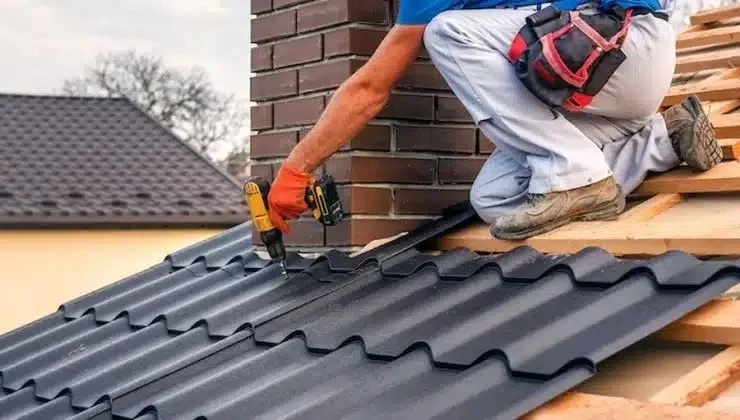
Metal roofing has grown in popularity due to its exceptional durability and longevity. Metal roofs are known for their ability to withstand extreme weather, including high winds, heavy snow, and hail. They are also fire-resistant and can last up to 50 years or more, making them a reliable choice for homeowners who prioritize safety and long-term investment.
One of the significant benefits of metal roofing is its energy efficiency. Metal roofs reflect solar heat, which can help reduce cooling costs in hot climates. However, metal roofs can be more expensive upfront, though their long lifespan often makes them cost-effective in the long run.
2.3 Clay Tiles
Clay tiles offer an elegant and durable roofing solution, commonly found in Mediterranean and Spanish-style homes. These tiles are naturally fire-resistant, provide excellent insulation, and can withstand extreme heat, which makes them a great choice for homes in hot climates. Clay tiles are known for their long lifespan, often lasting over 50 years if well-maintained.
However, clay tiles are heavy, and installing them requires a reinforced roof structure. They can also be more expensive compared to other roofing materials, both in terms of the initial installation and the cost of repair if tiles break.
2.4 Slate Roofing
Slate is one of the most durable and fire-resistant roofing materials available. It has been used for centuries due to its strength, longevity, and beauty. Slate roofs are highly resistant to damage from weather, and they can last 75 years or more with proper care. They are also naturally waterproof, which helps prevent leaks and water damage.
On the downside, slate roofs are expensive and require professional installation. Additionally, slate is heavy, so your roof structure may need to be reinforced before installation, which adds to the cost. Despite the higher price, slate roofs are considered a long-term investment due to their durability and low maintenance needs.
2.5 Wood Shingles
Wood shingles and shakes offer a natural and rustic look, often chosen for their aesthetic appeal. They provide good insulation and are highly effective at shedding water. When treated properly, wood roofing can be resistant to fire and pests. However, wood roofs require regular maintenance to prevent rot and damage from weather conditions like heavy rain or snow.
Wood shingles are more suitable for mild climates and homes that are well-maintained, as they have a shorter lifespan compared to other roofing materials and can be prone to decay if not properly cared for.
3. How to Choose the Best Roofing Materials for Safety
When choosing the best roofing material for your home, consider the following factors to maximize safety and durability:
3.1 Consider Your Climate
The climate in your area is one of the most important factors in choosing the right roofing material. If you live in an area with high winds, heavy snow, or extreme heat, you’ll want a roofing material that can withstand these conditions. For example, metal roofs are ideal for areas prone to high winds, while clay tiles are excellent for hot climates.
3.2 Assess Your Roof Structure
Not all roofs are built the same, so it’s essential to consider the weight of the roofing material and whether your roof structure can support it. Heavy materials like slate or clay tiles may require reinforcement, while lighter materials like asphalt shingles are easier to install on most roofs.
3.3 Determine Your Budget
Your budget will also play a role in selecting the best roofing material. While materials like slate or metal roofing can be a significant investment, they offer long-term benefits in terms of durability and energy efficiency. Consider both the initial cost and the long-term value when making your decision.
3.4 Consider Aesthetic Preference
While safety is the most important consideration, you’ll also want a roofing material that complements the look of your home. Whether you prefer the sleek, modern look of metal roofing or the rustic charm of wood shingles, the aesthetic appeal of your roof can enhance the overall look of your home.
4. Common Mistakes to Avoid When Choosing Roofing Materials
Choosing the wrong roofing material can lead to costly repairs down the line. Here are some common mistakes to avoid:
4.1 Not Considering Your Local Climate
Always choose roofing materials that are suited to your local climate. For example, using wood shingles in a humid climate without proper treatment can lead to rot and decay. Similarly, in areas prone to extreme winds, lightweight materials like asphalt shingles may not offer the same level of protection as metal roofing.
4.2 Skimping on Installation
While materials are important, the quality of installation is equally essential. A poorly installed roof can lead to leaks, reduced energy efficiency, and decreased longevity, no matter how high-quality the material is. Always hire a professional roofing contractor for installation.
5. Why Choose Total Roofing Hub for Your Roofing Needs
At Total Roofing Hub, we provide expert guidance and high-quality roofing materials that meet your needs for safety, durability, and aesthetic appeal. Whether you're building a new home or replacing an old roof, we offer the best products and services to ensure your roof stands the test of time.
Visit us today to explore a wide selection of roofing materials and get personalized advice on the best options for your home. Our experienced team is here to help you make the right choice for your roof’s safety and longevity!
 Solid Green Construction5.0 (20 reviews)
 CQ Roofing Company4.0 (179 reviews)
 Widdoss Roofing4.0 (47 reviews)
 Bay Seamless Gutters4.0 (102 reviews)
 Major Construction Inc Roofing and Siding4.0 (80 reviews)
 Choice Roofing and Construction4.0 (47 reviews)
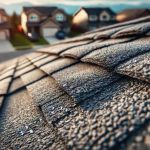 The Average Lifespan of Asphalt Shingle Roofs: How Long Do They Last?
 How Roof Gutters and Downspouts Should Be Installed & Maintained
 Siding vs Stucco: Which Is Better for Your Home?
 Top 10 Signs Your Roof Needs Immediate Repair You Shouldn’t Ignore
 Best Time of Year to Replace Your Roof: A Seasonal Guide for Homeowners
 How Much Insulation Under Your Roof Do You Really Need? Essential Guide for Homeowners