- 1 - Understanding the Impact of Roof Color
- 2 - How Roof Color Affects Algae Growth
- 3 - How Roof Color Impacts Heat Absorption
- 4 - Choosing the Right Roof Color to Reduce Algae and Heat
- 5 - Case Studies and Real-World Examples
- 6 - Why Choose Total Roofing Hub for Your Roofing Needs
1. Understanding the Impact of Roof Color
Your roof color plays a significant role in the overall performance of your home, influencing everything from its energy efficiency to its aesthetic appeal. When it comes to minimizing issues like algae growth and excessive heat absorption, choosing the right roof color is essential. In this article, we’ll dive into how roof color can impact these factors and guide you on selecting the best option for your home.
1.1 Roof Color and Home Efficiency
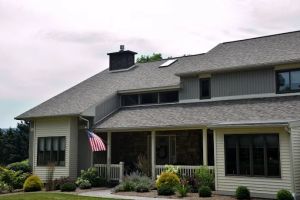
The color of your roof can affect your home's internal temperature and long-term durability. Darker roofs tend to absorb more heat, leading to higher cooling costs in the summer. Lighter colors, on the other hand, reflect sunlight, keeping your home cooler and reducing energy consumption.
Exterior Dreams, LLC (Gutter Company)
1368 Meriwether St, Griffin, GA 30224, USA
1.2 Aesthetic Considerations
In addition to functional benefits, your roof color also contributes to the overall aesthetic of your home. Selecting a color that complements your house's exterior and landscaping can enhance curb appeal while also serving a practical purpose by controlling algae and heat absorption.
2. How Roof Color Affects Algae Growth
Algae growth is a common problem on roofs, especially in humid climates. Certain roof colors can contribute to or help minimize algae growth. Understanding how color impacts algae can help you make an informed decision when selecting your roofing material and color.
2.1 Dark Roof Colors and Algae
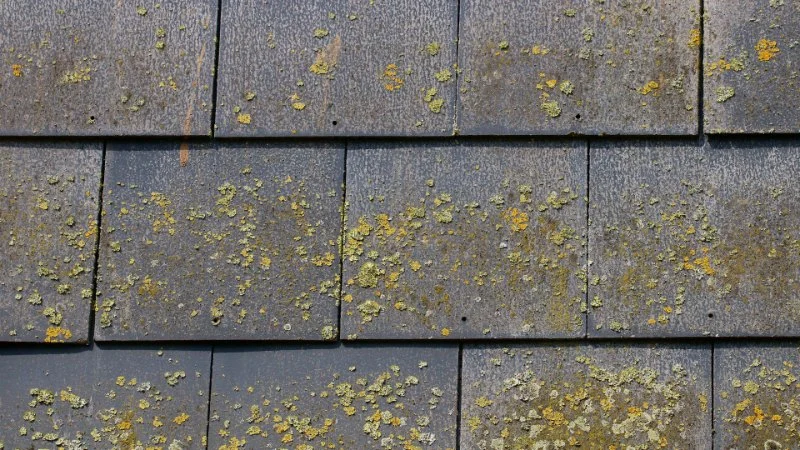
Dark roof colors, such as deep blues, browns, and blacks, tend to trap more heat and moisture, creating an ideal environment for algae to thrive. The warm surface temperatures promote algae growth, which can cause unsightly stains and even damage the roof over time.
2.2 Light Roof Colors and Algae
Lighter colors, like whites, light grays, and tans, tend to reflect more sunlight and heat, creating less favorable conditions for algae growth. These colors help keep the roof cooler and drier, reducing the likelihood of algae forming. Additionally, certain reflective coatings can further inhibit algae growth.
3. How Roof Color Impacts Heat Absorption
The color of your roof directly influences how much heat it absorbs, which can have a major impact on your home's energy efficiency and comfort. Understanding how heat absorption works and how it’s influenced by roof color can help you make better choices to keep your home cooler in summer and reduce your cooling costs.
3.1 Dark Colors and Heat Absorption
Dark-colored roofs absorb more heat from the sun, which can increase the temperature of your attic and the rest of your home. This results in higher air conditioning usage and increased energy bills, especially during the warmer months. For homes in hot climates, dark-colored roofs may not be the best option.
3.2 Light Colors and Heat Reflection
Lighter-colored roofs reflect more sunlight, which helps keep your home cooler. These roofs are typically more energy-efficient, as they reduce the need for air conditioning and lower overall energy consumption. If you live in a region with hot summers, choosing a light roof color can be a smart way to improve home comfort and save on cooling costs.
4. Choosing the Right Roof Color to Reduce Algae and Heat
When selecting a roof color to minimize both algae growth and heat absorption, it's important to strike a balance between functionality and aesthetics. Here are some tips to guide you in making the best choice:
4.1 Opt for Lighter Shades
To combat both algae and heat absorption, consider choosing a lighter shade for your roof. Colors such as light gray, beige, or even off-white can reflect sunlight and help keep your roof cooler. These colors are less likely to trap moisture, reducing the chances of algae buildup.
4.2 Reflective Coatings
If you prefer a darker roof color but want to reduce heat absorption, consider applying a reflective coating. These coatings are designed to reflect sunlight and reduce the amount of heat absorbed by the roof, while still allowing you to enjoy the aesthetic benefits of darker colors.
4.3 Consider the Climate
Your local climate should also play a significant role in your decision. In areas with high humidity or frequent rainfall, lighter colors can help prevent algae growth. In contrast, if you live in a cooler climate, darker roofs may work better by absorbing more heat to warm your home during winter months.
5. Case Studies and Real-World Examples
To illustrate how roof color can impact algae growth and heat absorption, let’s look at some real-world examples where homeowners made strategic choices to address these issues.
5.1 A Coastal Home in Florida
In Florida, a homeowner chose light gray shingles for their roof due to the region’s high humidity and frequent rainfall. This helped prevent algae buildup, which is common in the area. Additionally, the reflective properties of the gray color helped keep the home cooler, even during the hottest months.
5.2 A Suburban Home in Arizona
In contrast, a homeowner in Arizona opted for a darker roof color to take advantage of the heat-absorbing qualities. Since the home was in a desert climate with little rainfall, the darker roof provided additional warmth in the winter months without the risk of algae growth.
6. Why Choose Total Roofing Hub for Your Roofing Needs
When selecting a roof color to minimize algae and heat absorption, it’s important to work with a trusted roofing provider that understands both aesthetic and functional considerations. At Total Roofing Hub, we specialize in helping homeowners select the best roofing materials and colors to suit their needs.
Whether you’re looking to reduce algae growth, improve energy efficiency, or enhance your home’s curb appeal, Total Roofing Hub offers the expertise and quality products you need. Contact us today for a consultation and let us help you choose the perfect roof color for your home!

 BLANCO'S Gutters & Siding Specialist LLC1.0 (1 reviews)
 Immaculate Roofing Inc.4.0 (22 reviews)
 Rescue Roofing4.0 (25 reviews)
 Window World of Carrollton4.0 (148 reviews)
 RoofScapes LLC5.0 (127 reviews)
 Morgan Exteriors4.0 (346 reviews)
 How to Maintain Your Siding Year Round with Seasonal Care Tips
 The Best Time of Year to Replace Your Roof: Expert Advice
 Should I Repair or Replace My Roof? – Expert Guide for U.S. Homeowners
 What to Expect During a Roof Inspection: A Comprehensive Guide
 How Often Should You Replace Your Home's Siding? Expert Guide for U.S. Homeowners
 How to Replace Roof Felt or Underlayment Yourself (with Caution)