- 1-Why Should You Replace Your Roof?
- 2-Best Time to Replace Your Roof
- 3-Choosing the Right Roofing Materials
- 4-Finding the Right Roofing Contractor
- 5-Post-Replacement Roof Maintenance
1. Why Should You Replace Your Roof?
Roof replacement is an essential home improvement project that helps protect your home from the elements, enhances its curb appeal, and increases its value. Over time, roofs can deteriorate due to weathering, aging, or damage from storms. If you notice missing shingles, leaks, or other signs of wear, it may be time to consider replacing your roof.
Replacing your roof before problems worsen can save you money in the long run. It is important to assess the condition of your roof regularly and determine when it is necessary to replace it. One of the biggest decisions is determining the right time of year to take on such a large project.

2. Best Time to Replace Your Roof
The timing of your roof replacement can significantly impact the cost, durability, and efficiency of the project. While roof replacement can be done year-round, certain seasons are more favorable for installation. Here’s a breakdown of the best times to replace your roof based on weather conditions and other factors:

1. Spring and Fall: Ideal for Roof Replacement
For most regions in the U.S., spring and fall are the best times for roof replacement. The moderate temperatures in these seasons make for comfortable working conditions for the roofing crew. In addition, the weather tends to be drier during these times, which reduces the risk of delays due to rain or snow.
Spring (March to May) and fall (September to November) allow the roofing material to properly set and bond, ensuring optimal installation. The temperatures in these seasons are neither too hot nor too cold, making it easier to work without damaging the roofing materials.
2. Summer: Warm Temperatures but Potential for Storms
Summer can be an excellent time to replace your roof, especially in cooler regions where the warmer weather helps speed up the installation process. However, high temperatures can cause certain materials, such as asphalt shingles, to become soft and difficult to handle, potentially delaying the project.
While summer offers ample sunshine, it also brings the risk of summer storms in some areas. This can cause delays or disrupt the installation, making it less reliable than spring or fall. If you live in a region with frequent storms, you may want to reconsider summer as the best time for your roof replacement.
3. Winter: Challenges with Cold Weather
Winter (December to February) is typically the least ideal time for roof replacement. Cold temperatures can make roofing materials brittle and harder to work with. Additionally, snow and rain are more common in winter, which can cause delays and make installation more difficult.
In areas where the temperature rarely dips below freezing, winter replacements may still be feasible. However, it is important to ensure that the contractor uses materials that can be installed in cold weather without compromising the integrity of the roof.
3. Choosing the Right Roofing Materials
The choice of roofing material can also influence the timing of your roof replacement project. Some materials are more sensitive to weather conditions than others, which can affect the installation process:
1. Asphalt Shingles
Asphalt shingles are one of the most commonly used roofing materials. They are affordable and durable, but they can be challenging to install in extremely hot or cold weather. The optimal temperature range for installing asphalt shingles is between 45°F and 85°F. This makes spring and fall the best seasons for asphalt roof replacement.
2. Metal Roofing
Metal roofs are highly durable and can be installed in a wide range of temperatures. However, they require precise handling to prevent dents, so it is best to schedule the replacement when the temperature is moderate. Metal roofs are an excellent option for regions with extreme weather, as they are highly resistant to snow, rain, and heat.
3. Clay and Concrete Tiles
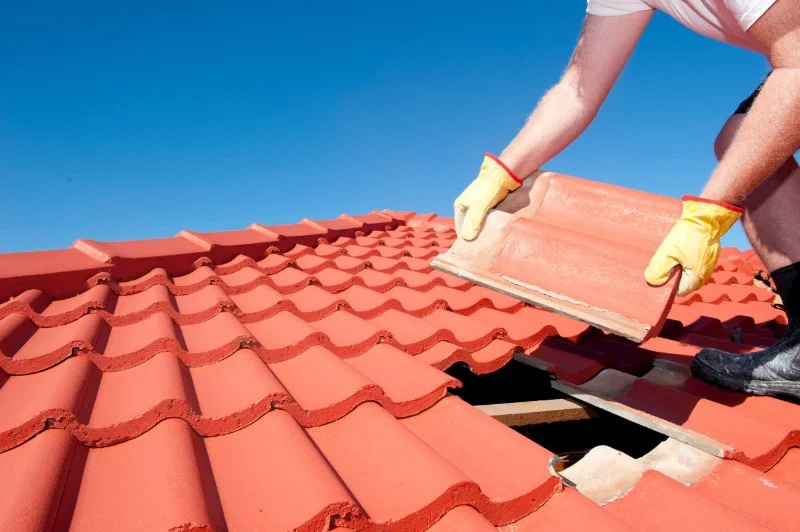
Clay and concrete tiles are popular for their aesthetic appeal and long lifespan. These materials are heavy and require careful handling during installation, making moderate temperatures the best time for the job. Excessive heat can cause the tiles to become too brittle to work with effectively.
4. Finding the Right Roofing Contractor
When planning your roof replacement, it's crucial to choose a reputable roofing contractor. Here are some tips for finding the right professional:
- Check Credentials: Ensure the contractor is licensed, insured, and has a good reputation in the community.
- Get Multiple Quotes: Compare quotes from several contractors to ensure you get the best value for your investment.
- Experience with Your Roof Type: Choose a contractor who is experienced in installing the type of roof you’ve selected.
- References and Reviews: Look for positive reviews or ask for references from previous clients to gauge the contractor’s quality of work.
5. Post-Replacement Roof Maintenance
Once your new roof is installed, regular maintenance will help extend its lifespan and ensure it performs optimally. Here are a few maintenance tips:
- Inspect Your Roof: Regularly check for any damage or wear, especially after severe weather events.
- Clean Gutters: Ensure gutters and downspouts are free of debris to prevent water buildup that can lead to leaks or water damage.
- Trim Trees: Trim overhanging branches that could damage your roof during storms.
- Schedule Professional Inspections: Have a roofing professional inspect your roof every few years to ensure it remains in good condition.
By maintaining your roof after replacement, you can ensure that it continues to protect your home for many years to come.
For expert advice and to find the best roofing materials for your home, visit Total Roofing Hub to get the best recommendations and products for your roofing needs.
 Skyline Designs Roofing5.0 (99 reviews)
 Perfect Roofing Installations4.0 (60 reviews)
 Dog Tags Construction LLC4.0 (16 reviews)
 Gutter Shutter of Central Maryland5.0 (9 reviews)
 Sam Cline Handyman Services4.0 (37 reviews)
 Paramount Builders Inc.4.0 (302 reviews)
 Should I Repair or Replace My Roof?
 Top 10 Signs Your Roof Needs Immediate Repair Before It’s Too Late
 The Pros and Cons of Vinyl Siding: Is It the Right Choice for Your Home?
 How to Choose a Reliable Roofing Contractor Near You – Expert Tips
 Top 10 Signs Your Roof Needs Immediate Repair You Shouldn’t Ignore
 How to Spot Hail Damage on Your Roof | Quick Guide for Homeowners