
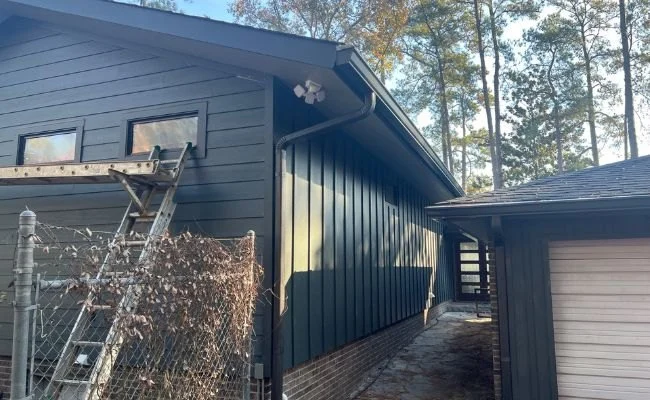
Siding Advice for Homeowners in Hurricane-Prone Regions
- 1. The Importance of Choosing the Right Siding in Hurricane-Prone Areas
- 2. Best Siding Materials for Hurricane Resistance
- 3. Proper Installation Techniques for Maximum Protection
- 4. Maintenance Tips for Siding in Coastal Areas
- 5. Real-Life Example: How Proper Siding Protected a Home During a Hurricane
1. The Importance of Choosing the Right Siding in Hurricane-Prone Areas
When living in a hurricane-prone region, one of the most crucial steps homeowners can take to protect their property is to invest in the right type of siding. During a hurricane, high winds, rain, and flying debris can severely damage your home’s exterior, which is why choosing durable, hurricane-resistant siding is essential for safety and long-term protection.
The right siding can help shield your home from water damage, reduce wind resistance, and prevent the invasion of debris. In addition to improving the structural integrity of your home, hurricane-resistant siding also helps improve energy efficiency, keeping your home cooler during hot weather and warmer in the colder months.
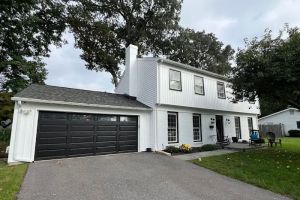
Stormfix Restoration
AbingdonHarford CountyMaryland
3400 Tulley's Pointe Court Unit 3c, Abingdon, MD 21009, USA
2. Best Siding Materials for Hurricane Resistance
Not all siding materials are created equal when it comes to hurricane resistance. Some materials offer better protection against wind, rain, and debris impact. Here are the most durable and effective siding materials for hurricane-prone areas:
1. Fiber Cement Siding: Fiber cement is one of the best choices for hurricane-prone regions. It is incredibly durable, resistant to impact, and impervious to water damage. Fiber cement siding is known for its ability to withstand extreme winds, making it an excellent option for homeowners in coastal areas.
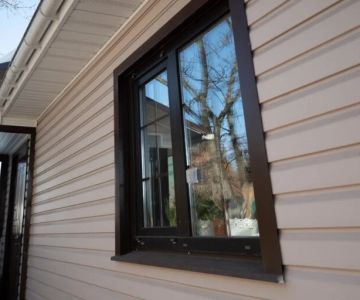
2. Vinyl Siding: Vinyl siding is another popular choice for homeowners in hurricane-prone areas. It is lightweight, affordable, and provides excellent protection against rain and wind. However, when opting for vinyl siding, it's important to choose high-quality, thick panels that are less likely to warp or blow off during a hurricane.
3. Metal Siding: Metal siding, such as aluminum or steel, is incredibly strong and durable. It can resist high winds and impact from flying debris. Metal siding is also fire-resistant, which adds an extra layer of protection for your home. It’s a great option for those looking for a long-lasting and low-maintenance siding material.
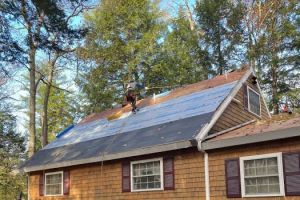
KV Construction
ManchesterHillsborough CountyNew Hampshire
728 E Industrial Park Dr UNIT 17, Manchester, NH 03109, USA
3. Proper Installation Techniques for Maximum Protection
Choosing the right siding material is important, but proper installation is just as critical in ensuring maximum hurricane protection. Here are a few tips to ensure your siding is properly installed to withstand extreme weather conditions:
1. Secure Fastening: One of the most important aspects of installation is ensuring that the siding is fastened securely to the structure of your home. In hurricane-prone areas, siding should be nailed or screwed directly into the studs, not just the sheathing, to prevent it from being torn off during high winds.
2. Overlapping Seams: The seams of the siding panels should overlap properly to prevent water from seeping behind them during a storm. Properly sealed seams help to minimize the risk of water damage and mold growth, especially in coastal regions where saltwater can cause additional wear.
3. Storm Shutters: In addition to choosing hurricane-resistant siding, homeowners should consider installing storm shutters over windows and doors. These provide an extra layer of protection against flying debris, which is one of the leading causes of damage during hurricanes.
4. Maintenance Tips for Siding in Coastal Areas
Siding in hurricane-prone and coastal areas requires regular maintenance to ensure it remains durable and effective at protecting your home. Here are some essential maintenance tips for keeping your siding in top shape:
1. Regular Cleaning: Dirt, salt, and debris can accumulate on your siding over time, causing wear and tear. Regular cleaning helps to remove these substances and prevent them from damaging the surface. A gentle power wash is a great way to keep your siding looking new.
2. Check for Cracks and Gaps: After a hurricane or storm, inspect your siding for cracks, gaps, or loose panels. These weaknesses can allow water and wind to infiltrate, which can cause further damage. Promptly repairing any issues will help maintain the integrity of your siding.
3. Repainting and Sealing: Over time, the paint and sealant on your siding can wear off, especially in areas that experience harsh weather conditions. Repainting and resealing your siding regularly will help it maintain its protective qualities and keep it looking fresh.
5. Real-Life Example: How Proper Siding Protected a Home During a Hurricane
In 2017, a home in Florida was directly hit by Hurricane Irma. The homeowners had recently replaced their old wood siding with high-quality fiber cement siding. Despite the high winds and heavy rains, the home remained structurally intact, and the siding showed minimal damage. The homeowners were grateful that they had invested in durable siding that not only improved the aesthetic of their home but also provided superior protection during a hurricane.
This example highlights the importance of choosing the right siding material and ensuring proper installation. Had the homeowners opted for inferior materials, they may have faced extensive damage to their home’s exterior. Proper siding can make all the difference in protecting your property during severe weather events.
If you're a homeowner in a hurricane-prone area, consider consulting experts at Total Roofing Hub for the best siding options and installation services that can safeguard your home against the next storm.


 Roofing Prodigy Valley Village4.0 (58 reviews)
 Platinum Roofing5.0 (2 reviews)
 T~n~T Painting and Remodeling5.0 (31 reviews)
 Franks Brothers Construction3.0 (6 reviews)
 Joyce Windows, Sunrooms & Baths - Asheville/Greenville4.0 (190 reviews)
 Da General Contractors5.0 (4 reviews)
 Ultimate Guide on How to Budget for a Roof Replacement Project
 How to Minimize Roof Noise: Material & Installation Tips
 Permit Requirements for Roof & Siding Work in Major US Cities
 Roof Slope & Drainage: How It Prevents Water Pooling Issues
 Roof Repair After Fire Damage: What’s Involved
 What to Expect During a Roof Inspection: A Homeowner's Guide