
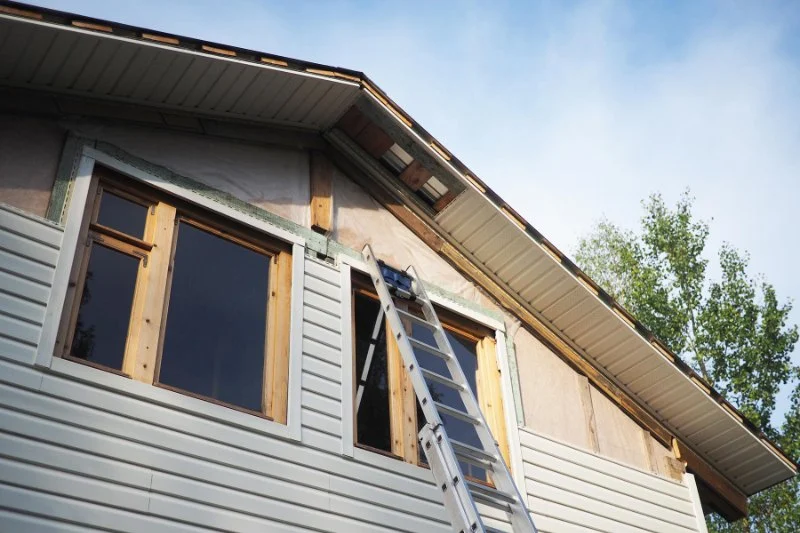
1. Understanding Storm Damage to Siding
Storms can cause significant damage to your home’s exterior, especially to siding. Whether it’s heavy rain, high winds, or hail, storm damage can leave your siding cracked, dented, or even missing entirely. Repairing siding after storm damage not only restores your home’s appearance but also protects it from further damage caused by the elements. In this guide, we’ll walk you through how to assess and repair storm-damaged siding and what steps to take to ensure your home remains safe and secure.
2. Identifying Storm Damage to Your Siding
The first step in repairing siding is identifying the damage. Understanding the extent of the damage helps you decide whether a quick fix will do or if more significant repairs are necessary. Here are common signs of storm damage:
Vizcom Contracting, LLC
3106 W Thomas Rd Suite 1101, Phoenix, AZ 85017, USA
2.1 Cracks and Gaps
Strong winds and flying debris can cause cracks or gaps in your siding, allowing water to seep in. These cracks may be small at first, but if not addressed quickly, they can lead to more severe damage over time.
2.2 Dents or Dings
Hailstorms can leave dents or dings in softer siding materials like vinyl or aluminum. While these dents may not seem urgent, they can weaken the siding and make it more susceptible to future damage.
2.3 Warping or Buckling
Excessive moisture from rain or flooding can cause siding to warp or buckle. This happens when water gets behind the siding and damages the underlying structure, leading to visible bulges or uneven surfaces.
2.4 Missing Siding Pieces
In the case of severe storms, you might notice entire pieces of siding missing from your home. Whether it’s due to strong winds or debris striking the side of your house, missing siding needs to be replaced promptly to avoid exposure to the elements.
3. Steps to Repairing Storm-Damaged Siding
Once you’ve assessed the damage to your siding, it’s time to take action. Depending on the severity of the damage, your repair process will vary. Here are the essential steps to repair siding after storm damage:
3.1 Inspect the Extent of the Damage
Before you begin any repairs, it’s essential to inspect the entire area of siding to assess the full extent of the damage. Walk around your home and look for any cracks, gaps, or missing pieces. If the damage is extensive, consider consulting a professional to help with the repairs.
3.2 Choose the Right Materials
Choosing the right materials for your siding repair is crucial. Different siding materials require different repair approaches. For example, vinyl siding is relatively easy to repair with replacement panels, while wood siding may need to be patched and repainted. Ensure that the repair materials match your existing siding to maintain a consistent look.
3.3 Replacing Missing or Damaged Panels
If you have missing or severely damaged siding panels, the best option is to replace them. You can find replacement panels that match the size, color, and texture of your existing siding. Make sure to install the new panels securely to prevent future damage.
3.4 Patching Cracks or Holes
For small cracks or holes, you can use patching material designed for your specific siding type. For vinyl or aluminum siding, use a patch kit that can be applied directly to the damaged area. For wood siding, you may need to fill the crack with wood filler before sanding and painting the area to blend it with the rest of the surface.
3.5 Sealing the Siding
Once the damaged areas have been repaired, it’s essential to seal the siding properly to protect it from further damage. Use a high-quality sealant that is appropriate for your siding material to fill in any gaps and create a moisture-resistant barrier. This helps prevent water from getting behind the siding, which can lead to mold and mildew growth.
4. When to Call a Professional for Siding Repair
While some storm damage repairs can be done as DIY projects, there are cases where it’s best to call a professional. If the damage is extensive or if you’re unsure about how to properly repair your siding, it’s always a good idea to consult a professional contractor. Here are a few signs that you should call in an expert:
4.1 Extensive Damage
If the damage is widespread or affects a large portion of your siding, a professional may be needed to handle the repair efficiently. Extensive damage may require the expertise of a contractor to ensure that the repairs are done properly and meet local building codes.
4.2 Difficulty Matching Siding Materials
If you’re having trouble finding matching materials for your siding, a professional can help source the right materials and install them to match your home’s exterior seamlessly.
4.3 Structural Damage
If the storm has caused underlying structural damage, such as damage to the wooden framing behind the siding, it’s crucial to consult a professional. Structural damage requires expertise to ensure your home’s safety and integrity are maintained.
5. Preventative Measures to Avoid Future Siding Damage
After repairing your siding, it’s a good idea to take steps to prevent future damage. Here are a few measures you can take to protect your home’s exterior from future storms:
5.1 Regular Inspections
Conduct regular inspections of your siding to identify any minor damage before it becomes a major issue. Look for cracks, holes, or wear and tear that could lead to further damage in the event of another storm.
5.2 Maintain Gutters and Downspouts
Ensure that your gutters and downspouts are clear of debris. Clogged gutters can cause water to overflow onto your siding, leading to moisture damage. Regularly cleaning your gutters helps protect your siding from water-related issues.
5.3 Reinforce Weak Areas
If certain areas of your siding are more vulnerable to storms, consider reinforcing them. For example, installing storm shutters or adding extra fasteners to prevent siding from being blown off in high winds can help protect your home during severe weather.
6. How Total Roofing Hub Can Help with Siding Repairs
If you’re facing storm damage to your siding and need professional assistance, Total Roofing Hub offers expert siding repair services. Our team of experienced contractors can help assess the damage, recommend the best repair solutions, and restore your home’s exterior to its former condition. Visit us today to learn more about our services and how we can help you with siding repairs and restoration.
7. Conclusion: Restoring Your Home’s Exterior After a Storm
Repairing siding after storm damage may seem overwhelming, but with the right approach, it’s a manageable task. By carefully assessing the damage, choosing the right materials, and following proper repair techniques, you can restore your home’s exterior and ensure it remains safe from future storms. Whether you choose to tackle the repairs yourself or hire a professional, taking prompt action will help protect your home from further damage and maintain its curb appeal.



 Green Shield Roofs4.0 (26 reviews)
 A.R.K. Builders5.0 (19 reviews)
 John Siding Construction5.0 (2 reviews)
 AMP Roofing4.0 (31 reviews)
 Stormshield Roofing Contractor0.0 (0 reviews)
 C&G New Generation Roofing Inc5.0 (47 reviews)
 DIY vs Professional Roof Replacement: What’s Safer & More Cost-Effective
 Repairing Siding After Storm Damage: A Comprehensive Guide
 How to Spot Hail Damage on Your Roof and What to Do About It
 The Pros and Cons of Vinyl Siding for Homeowners
 How to Budget for a Roof Replacement Project: Step-by-Step Guide for Homeowners
 What to Expect During a Roof Inspection | Roofing Tips for Homeowners