
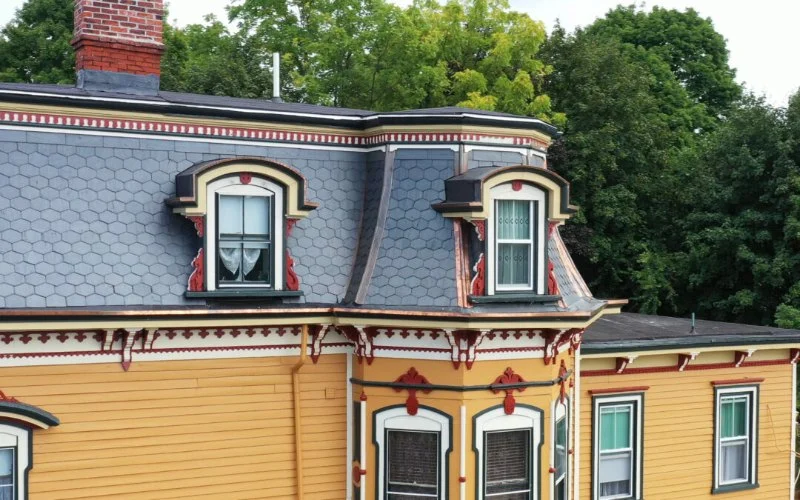
Roof Replacement Considerations for Historic Neighborhoods
- 1. Introduction to Roof Replacement in Historic Neighborhoods
- 2. Challenges of Roof Replacement in Historic Areas
- 3. Legal and Regulatory Considerations
- 4. Choosing the Right Roofing Materials
- 5. The Importance of Professional Roofing Services
1. Introduction to Roof Replacement in Historic Neighborhoods
Roof replacement in historic neighborhoods is a sensitive task that requires special consideration due to both aesthetic and legal factors. Historic homes often have architectural styles that need to be preserved, and many cities have regulations that govern renovations and construction in historic districts. Replacing a roof in these areas isn’t as straightforward as replacing one in a modern development. Homeowners need to be aware of the potential challenges and opportunities to maintain the historical integrity of their properties.
In this guide, we will cover the essential considerations for replacing a roof in a historic neighborhood, including understanding the unique challenges, choosing the appropriate materials, and the importance of working with professionals who specialize in historic roof restoration.
READY ROOFING, LLC
JacksonvilleDuval CountyFlorida
5105 Philips Hwy Suite 205, Jacksonville, FL 32207, USA
2. Challenges of Roof Replacement in Historic Areas
Replacing a roof in a historic neighborhood often involves several challenges that homeowners in more modern developments don’t typically face. The primary issues stem from the need to preserve the aesthetic appeal and authenticity of the home while ensuring that the new roof is functional, durable, and energy-efficient.
2.1. Aesthetic Restrictions
One of the most significant challenges is maintaining the aesthetic integrity of the property. Many historic homes have distinctive roofing styles, such as slate, tile, or wood shingles, which contribute to the overall charm of the neighborhood. Homeowners must ensure that their roof replacement honors these traditional styles while meeting modern safety standards.
2.2. Preservation Requirements
Historic districts often have strict preservation requirements to maintain the character of the area. These regulations may limit the type of materials or the methods used for roof replacement. It’s important for homeowners to consult with local authorities or historic preservation specialists before beginning any work to ensure compliance with these regulations.
2.3. Potential for Higher Costs
The cost of replacing a roof in a historic home can be significantly higher than in modern homes. This is due to the need for specialized materials, the potential for additional labor to preserve historical features, and the possible requirement for permits and inspections. Homeowners should be prepared for these additional costs and consider them as part of their overall renovation budget.
3. Legal and Regulatory Considerations
Before embarking on a roof replacement project in a historic neighborhood, it’s crucial to understand the legal and regulatory considerations that come into play. Many cities have zoning laws and regulations that dictate what can and cannot be done in historic districts.
3.1. Historic Preservation Laws
In many cities, historic preservation laws are in place to protect the unique characteristics of older neighborhoods. These laws may dictate the materials that can be used for roof replacement, such as requiring the use of slate tiles or wood shingles instead of modern asphalt shingles. Homeowners should consult with their local planning department or historic preservation board to ensure that their planned roof replacement complies with these laws.
3.2. Permitting and Approvals
Before replacing a roof in a historic neighborhood, homeowners may need to obtain special permits and approval from local authorities. This often involves submitting detailed plans for the roof replacement, including the materials to be used, the scope of work, and how it will preserve the home’s historical character. Failure to obtain the necessary approvals can lead to fines or the need to undo the work.
3.3. Insurance Considerations
Homeowners should also review their insurance policy before replacing a roof in a historic district. Some insurance providers may require additional coverage or documentation for homes in historic neighborhoods due to the increased costs associated with preserving their value. Ensure that the updated roof is covered under the homeowner's insurance policy.
4. Choosing the Right Roofing Materials
When replacing a roof on a historic home, selecting the right materials is crucial not only for aesthetic reasons but also for preserving the home’s structural integrity and energy efficiency. Depending on the style and age of the home, certain materials may be required or recommended.
4.1. Traditional Materials
Traditional roofing materials, such as slate, clay tiles, and wood shakes, are often recommended for historic homes due to their aesthetic value and durability. These materials have been used for centuries and are part of the character of historic homes. However, they can be more expensive and may require specialized labor to install.
4.2. Modern Alternatives
In some cases, modern materials such as synthetic slate, metal roofing, or fiberglass shingles can be used as alternatives to traditional materials. These materials are often more cost-effective and may offer improved durability, insulation, and energy efficiency while still mimicking the look of traditional roofing materials.
4.3. Energy Efficiency Considerations
In addition to aesthetic considerations, energy efficiency is an important factor when choosing roofing materials. Reflective roofing options, such as cool roofs, can help reduce energy costs by reflecting more sunlight, thereby keeping the home cooler in the summer months. Some modern materials offer the best of both worlds by combining traditional looks with energy-saving benefits.
5. The Importance of Professional Roofing Services
When replacing a roof on a historic property, it's essential to work with roofing professionals who have experience with historic homes. These experts can help ensure that the job is done correctly, respecting both the legal regulations and the aesthetic requirements of the home.
5.1. Specialized Knowledge
Professional roofers with experience in historic neighborhoods understand the unique challenges involved in these types of projects. They are familiar with the materials and techniques required to preserve the historical integrity of the home while ensuring modern safety and efficiency standards are met.
5.2. Permitting and Compliance
A professional roofer can also handle the permitting and approval process, ensuring that all necessary legal steps are taken. This reduces the risk of delays or fines and ensures that the project complies with all local regulations.
5.3. Long-Term Maintenance
A skilled roofer can also provide advice on long-term maintenance and preservation, ensuring that the new roof lasts for many years. Regular maintenance is especially important for historic homes, as certain materials may require more frequent care than modern alternatives.
In conclusion, replacing a roof in a historic neighborhood requires careful planning, attention to detail, and collaboration with experienced professionals. By understanding the challenges, legal considerations, and material options, homeowners can ensure that their roof replacement preserves the charm and value of their historic home for generations to come. For expert advice and roofing solutions, visit Total Roofing Hub.
 Marc Joseph remodeling5.0 (1 reviews)
 PRS Roofing Inc5.0 (9 reviews)
 KAPS CONSTRUCTION4.0 (5 reviews)
 Marshall Exteriors, LLC4.0 (213 reviews)
 S.W.A.T. Roofing & Consulting4.0 (46 reviews)
 MATFI RENOVATIONS LLC5.0 (23 reviews)
 Siding Material Fire Ratings: What’s Required & What to Choose
 Roof Talk: Common Terminology Every Homeowner Should Know
 How Often Should You Replace Your Home's Siding? Expert Tips on Siding Longevity
 The Average Lifespan of Asphalt Shingle Roofs: How Long Do They Last?
 How to Choose a Reliable Roofing Contractor Near You | Top Tips and Questions
 Should I Repair or Replace My Roof? – Expert Guide for U.S. Homeowners