
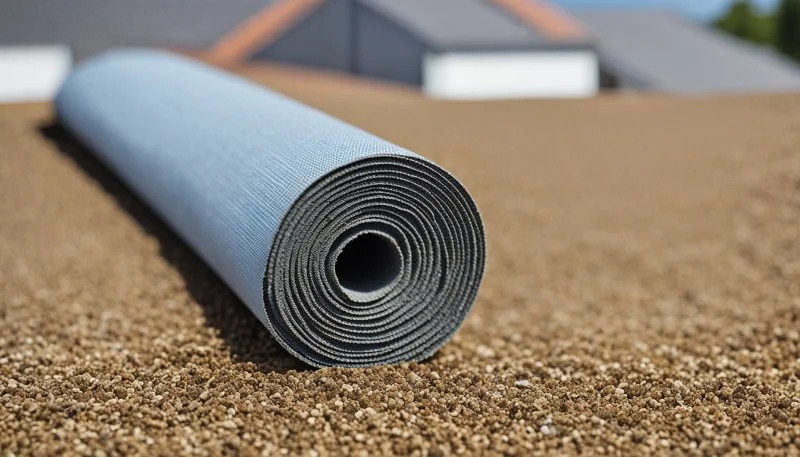
Advancements in Roofing Underlayment Materials: Enhancing Roof Durability and Efficiency
Roofing underlayment plays a critical role in ensuring the longevity and effectiveness of a roof. In recent years, advancements in roofing underlayment materials have significantly improved roof durability, energy efficiency, and overall performance. This article will explore these innovations, how they benefit homeowners, and why understanding the latest materials is crucial when planning a roof installation or replacement.
- Why Roofing Underlayment is Essential
- Types of Roofing Underlayment Materials
- Recent Advancements in Roofing Underlayment
- Benefits of Modern Roofing Underlayment Materials
- How to Choose the Right Roofing Underlayment
1. Why Roofing Underlayment is Essential
Roofing underlayment serves as a protective layer between your roof deck and shingles, offering critical protection against moisture, ice, and wind-driven rain. It also contributes to the overall thermal performance of the roof. Without proper underlayment, the roof may be vulnerable to leaks, mold growth, and reduced energy efficiency. By acting as a second line of defense, underlayment helps extend the life of the roofing system.

2. Types of Roofing Underlayment Materials
Roofing underlayment materials have evolved over the years, with options that cater to various environmental conditions, building types, and budget constraints. Here are the most common types of roofing underlayment materials:

2.1 Asphalt-Saturated Felt
Asphalt-saturated felt is one of the most traditional underlayment materials. It's composed of a paper or fiberglass base that is saturated with asphalt for moisture resistance. While it remains a cost-effective option, its durability can be limited, especially under extreme conditions.
2.2 Synthetic Underlayment
Synthetic underlayment is a newer alternative to asphalt felt. Made from polypropylene or polyethylene, this material offers superior strength, lighter weight, and better moisture resistance. It is also less prone to damage from UV exposure, making it a more durable choice for many roofs.
2.3 Rubberized Asphalt
Rubberized asphalt underlayment is known for its superior waterproofing capabilities. It’s often used in areas with high moisture, such as coastal regions or climates with heavy rainfall. The material is flexible, adheres well to surfaces, and provides excellent protection against water intrusion.
2.4 Peel-and-Stick Underlayment
Peel-and-stick underlayment is a self-adhesive option that makes installation easier. This material is ideal for areas prone to leaks, such as valleys, eaves, and around chimneys. It provides a secure, waterproof seal that enhances the overall integrity of the roofing system.
3. Recent Advancements in Roofing Underlayment
In recent years, roofing underlayment materials have undergone significant advancements in both technology and performance. Here are some of the latest innovations:
3.1 Improved Waterproofing Capabilities
Modern underlayment materials now feature enhanced waterproofing technologies that provide better protection against leaks and moisture damage. For example, many synthetic underlayments now include advanced coatings that prevent water from seeping through, even under the most extreme weather conditions.
3.2 Enhanced Durability and UV Resistance
Newer underlayment materials are engineered to withstand prolonged exposure to the sun. These materials are treated with UV-resistant coatings that prevent degradation from sunlight, extending the life of both the underlayment and the roofing materials above it. This is particularly beneficial in areas with intense sun exposure.
3.3 Eco-Friendly Options
As sustainability becomes a more significant concern, eco-friendly roofing underlayments have been introduced to the market. These materials are made from recycled products and are designed to minimize the environmental impact of roof installations. With these advancements, homeowners can now opt for roofing solutions that are both durable and environmentally responsible.
3.4 Energy-Efficient Underlayment
Energy-efficient roofing underlayment materials are designed to reflect heat, helping to keep homes cooler during the hot summer months. These underlayments are particularly beneficial in regions with hot climates, as they can contribute to lowering cooling costs and improving overall energy efficiency.
4. Benefits of Modern Roofing Underlayment Materials
Advancements in roofing underlayment materials bring several key benefits to homeowners and contractors alike:
4.1 Enhanced Protection Against Leaks
One of the primary benefits of modern underlayment materials is their improved ability to prevent water infiltration. With enhanced waterproofing capabilities, homeowners can enjoy peace of mind knowing that their roof is better protected against rain, snow, and ice dams.
4.2 Longer Lifespan
Modern materials are built to last longer than traditional felt underlayment. Synthetic and rubberized asphalt options offer superior durability, resistance to UV damage, and longer service life, reducing the need for costly repairs or replacements over time.
4.3 Increased Energy Efficiency
Energy-efficient roofing underlayment helps improve the thermal performance of your home. Reflective properties in the material help reduce heat transfer, making it easier to regulate indoor temperatures and ultimately lowering heating and cooling costs.
4.4 Easier Installation
Advancements in underlayment materials have also made installation easier and more efficient. Peel-and-stick options, for instance, streamline the process by eliminating the need for additional adhesives or fasteners, saving both time and labor costs.
5. How to Choose the Right Roofing Underlayment
Choosing the right underlayment for your roof depends on several factors, including your climate, budget, and the type of roofing material being used. Here are a few things to consider when selecting underlayment for your roofing project:
5.1 Consider Your Climate
The climate in your area will play a significant role in determining the best underlayment material. For example, if you live in a wet or humid environment, you’ll need a product that offers superior waterproofing. Conversely, if you’re in a sunny or hot region, UV-resistant and energy-efficient underlayment may be your best choice.
5.2 Determine Your Budget
Underlayment materials vary in cost, with synthetic and rubberized asphalt options being more expensive than traditional felt. However, the increased durability and performance may justify the higher upfront costs, particularly for those seeking long-term value.
5.3 Match the Underlayment with Your Roof
Some roofing materials work better with specific underlayment types. For example, metal roofs often require specialized underlayments to prevent rust and corrosion. Be sure to consult with a roofing professional to determine the best match for your roof type and style.
If you’re looking for the best roofing underlayment options or need expert advice on your roofing project, visit Total Roofing Hub for top-quality products and professional guidance.




 Huber & Associates4.0 (8 reviews)
 B & R Fournier Construction4.0 (75 reviews)
 Boston Exterior Remodeling4.0 (39 reviews)
 Hope Commercial Roofing Group LLC0.0 (0 reviews)
 Fix It Atlanta4.0 (21 reviews)
 Amador construction LLC5.0 (12 reviews)
 How to Spot Hail Damage on Your Roof: A Comprehensive Guide
 The Environmental Benefits of a Cool Roof: Saving Energy and the Planet
 How to Evaluate Existing Roof Structure Before Major Upgrades
 How to Choose a Reliable Roofing Contractor Near You: A Comprehensive Guide
 Should I Repair or Replace My Roof? – Key Factors to Consider
 How to Estimate Roof Replacement Return on Investment