- 1. Importance of Understanding Local Building Codes
- 2. How Local Building Codes Affect Your Roofing Choices
- 3. The Impact of Local Codes on Siding Materials
- 4. Compliance with Building Codes: Costs and Benefits
- 5. Real-Life Case Study: A Homeowner's Experience with Building Codes
1. Importance of Understanding Local Building Codes
Local building codes are a set of regulations established by city or county governments to ensure that buildings are safe, durable, and energy-efficient. These codes cover everything from the structure of a building to the materials used for exterior finishes, such as roofs and siding. When renovating or building a new home, it’s essential to understand these codes as they dictate the types of materials you can use, the way structures are built, and even the aesthetic qualities of your home’s exterior. Adhering to local building codes helps protect your investment, ensures safety, and maintains property value.

Home Services at The Home Depot
Painted PostSteuben CountyNew York
3160 Silverback Ln, Painted Post, NY 14870, USA
2. How Local Building Codes Affect Your Roofing Choices
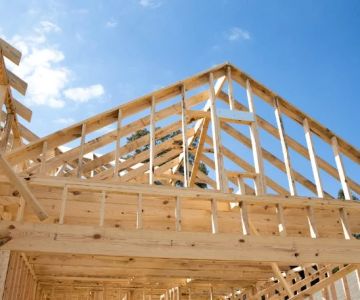
When it comes to roofing, local building codes can greatly influence your material choices, installation methods, and even the overall design of your roof. For example, some regions may have regulations about the slope of the roof or the specific materials that can be used to ensure the roof can withstand local weather conditions, such as heavy snow or strong winds. Local codes might also require additional layers of protection against fire hazards, mold, or water damage. Here’s how local building codes affect roof choices:
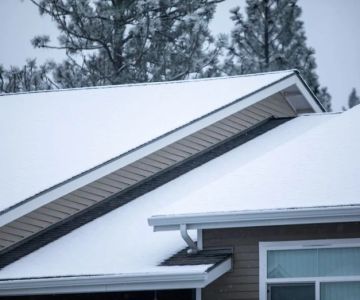
- Roof Slope Requirements: Some areas, especially those with heavy snowfall, mandate steeper roof slopes to prevent snow accumulation. In contrast, areas with frequent rains may have specific drainage guidelines.
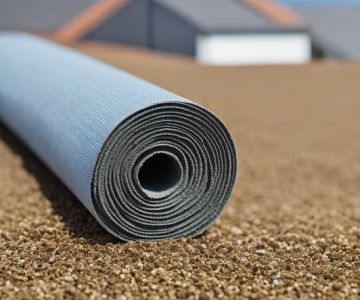
- Material Restrictions: Certain areas may restrict the use of materials like wood shingles in wildfire-prone regions, while promoting fire-resistant materials such as metal or tile roofing.
- Wind Resistance: In coastal areas or hurricane-prone regions, roofing materials must meet higher wind resistance standards to prevent storm damage.
3. The Impact of Local Codes on Siding Materials
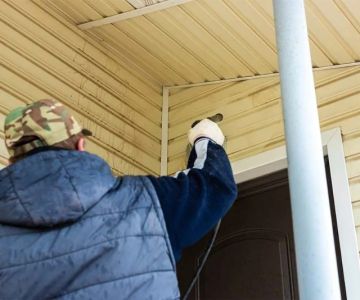
Just as with roofing, local building codes also impact the materials you can use for siding. Depending on your location, codes might require specific materials to ensure the safety, durability, and aesthetic appeal of the exterior of your home. For instance, codes may dictate the use of fire-resistant siding in areas at high risk for wildfires or require particular treatments to protect against moisture in humid climates. Let’s break down how building codes affect siding choices:
- Fire-Resistant Siding: In fire-prone areas, regulations may enforce the use of fire-resistant materials like cement board or metal siding, which help to reduce fire risk.
- Weather-Resistant Siding: Areas with high humidity or heavy rainfall may require the use of moisture-resistant materials, such as vinyl or fiber cement siding, to prevent mold and rot.
- Energy-Efficient Siding: Some codes encourage or even require the use of energy-efficient siding options, such as insulated vinyl or foam-backed options, to reduce energy consumption and improve home insulation.
4. Compliance with Building Codes: Costs and Benefits
While complying with local building codes may seem like an extra burden, it’s crucial for ensuring the safety, longevity, and energy efficiency of your home. Not adhering to these codes can lead to fines, delays, and potential issues with home insurance or resale value. On the other hand, following the codes can enhance your home’s durability, safety, and marketability. However, it’s important to understand that compliance might come with additional upfront costs. For example, higher-quality materials, like fire-resistant siding or hurricane-rated roofing, could cost more than standard alternatives. But in the long run, these materials can save you money by reducing repair needs, lowering energy bills, and preventing damage from extreme weather events.
5. Real-Life Case Study: A Homeowner's Experience with Building Codes
Take the case of a homeowner, John, who decided to re-roof his home in Florida. Due to local building codes in his region, he was required to install a roof that could withstand high winds and heavy rain. While his initial budget was tight, John worked with roofing professionals from Total Roofing Hub to select the best hurricane-resistant materials that met code requirements. In the end, John spent a bit more than he had planned, but the investment paid off when a storm hit the area later that year, and his new roof protected his home from significant damage. This case highlights the importance of following local building codes not only for legal reasons but also for the long-term protection of your home.
 B & D Construction Co., Inc.4.0 (85 reviews)
 Elite Paramount Roofs4.0 (60 reviews)
 Keeping You Dry Roofing4.0 (69 reviews)
 America Roofing4.0 (110 reviews)
 Charis Roofing4.0 (16 reviews)
 SkyReach Construction, LLC4.0 (16 reviews)
 How to Recognize Hidden Roof Damage After Heavy Rain
 Should I Repair or Replace My Roof? Expert Guide for Homeowners
 Top 10 Signs Your Roof Needs Immediate Repair
 What Local Building Codes Say About Roof Replacement
 How to Spot Hail Damage on Your Roof - Expert Tips for Homeowners
 Roof Performance Comparisons by Material & Climate