
- 1-Importance of Roofing Underlayment for Snow & Ice Loads
- 2-Types of Roofing Underlayment Materials
- 3-How to Choose the Best Roofing Underlayment for Your Home
- 4-Advantages of Using the Right Underlayment
- 5-Real-Life Case Study: Protecting Homes from Snow & Ice
1. Importance of Roofing Underlayment for Snow & Ice Loads
When it comes to protecting your home from winter weather, roofing underlayment plays a crucial role. In areas with heavy snowfall and ice buildup, this underlayment acts as the first line of defense, preventing water from seeping into your home and causing damage. For homes in regions with frequent ice and snow loads, choosing the right underlayment material is essential for long-term durability and protection.

Skyway Exteriors
MiddleboroughPlymouth CountyMassachusetts
15 Paddock Cir, Middleborough, MA 02346, USA
1.1 What is Roofing Underlayment?
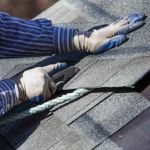
Roofing underlayment is a protective layer that is installed under your roofing material, such as shingles, tiles, or metal. It provides an additional barrier against moisture, ice, and wind-driven rain. In snowy climates, it becomes even more important, as the melting and refreezing of snow can lead to ice dams, which can damage roofs and interiors.

1.2 How Ice & Snow Affect Roofs
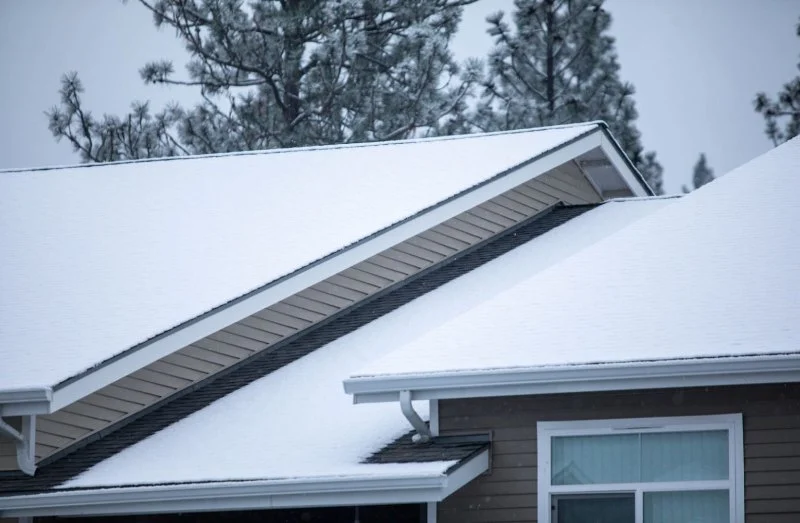
When snow accumulates on a roof, it can melt due to heat escaping from the attic, only to refreeze at the eaves, forming ice dams. These dams block proper drainage, leading to water buildup and potential leaks. A good roofing underlayment will provide an extra layer of protection to prevent water from entering your home, safeguarding both the roof and the structure beneath it.
2. Types of Roofing Underlayment Materials
There are several types of roofing underlayment materials available, each offering different levels of protection. Here's a breakdown of the most common options used in homes with ice and snow loads:
2.1 Asphalt-Saturated Felt
Asphalt-saturated felt has been a popular choice for many years due to its affordability and effectiveness. It consists of a layer of felt that is impregnated with asphalt to provide moisture resistance. While it's a reliable option, it may not offer the same level of protection against ice dams as more modern materials.
2.2 Rubberized Asphalt Underlayment
Rubberized asphalt is a highly effective underlayment, particularly in snowy areas. It is self-adhesive and has a rubberized component that allows it to seal around nails, preventing water infiltration. This material is perfect for homes at risk of ice dams, as it forms a watertight barrier that prevents leaks even in extreme conditions.
2.3 Synthetic Underlayment
Synthetic underlayment is made from a combination of polymers and is designed to be both durable and lightweight. It's resistant to UV rays, moisture, and extreme temperatures, making it an excellent choice for homes exposed to harsh winters. This material is often preferred for its high tear strength and ability to withstand heavy snow and ice loads.
2.4 Peel-and-Stick Ice and Water Shield
Peel-and-stick ice and water shields are a specialized type of underlayment that provides superior protection against ice dams and water penetration. These products have a self-adhesive backing that sticks directly to the roof deck, ensuring a seamless and secure barrier against water. They're especially beneficial in areas with heavy snow and ice accumulation.
3. How to Choose the Best Roofing Underlayment for Your Home
Choosing the right roofing underlayment for homes with ice and snow loads requires careful consideration of various factors. Here are a few key points to guide your decision-making process:
3.1 Consider Your Climate
If you live in an area with heavy snow and ice, it’s crucial to choose a material that provides strong protection against ice dams and water infiltration. Rubberized asphalt or peel-and-stick ice and water shields are ideal for these conditions due to their excellent moisture resistance and self-sealing properties.
3.2 Evaluate the Durability
Durability is a key factor when selecting an underlayment. Materials like synthetic underlayment offer long-lasting protection against the elements, including UV rays and extreme temperatures. While asphalt-saturated felt may be sufficient for milder climates, it may not be durable enough for homes in areas with severe winter weather.
3.3 Installation Considerations
The ease of installation is another important factor. Peel-and-stick options are particularly convenient because they don’t require nails or fasteners, which means they are quick to install and offer a watertight seal. Rubberized asphalt also provides an easy installation process, as it adheres well to the roof deck and stays in place.
4. Advantages of Using the Right Underlayment
Using the right roofing underlayment can provide numerous benefits for your home, especially in snowy climates. Here are some advantages:
4.1 Protection from Water Damage
Proper underlayment acts as an essential barrier that prevents water from infiltrating your home, especially during the thawing and freezing cycle of snow and ice. It ensures that your roof remains watertight, even in the most challenging weather conditions.
4.2 Enhanced Roof Lifespan
By protecting the roof deck and shingles from water damage, the right underlayment can extend the life of your roof. This added layer of protection helps to prevent the deterioration of roofing materials, reducing the need for frequent repairs and replacements.
4.3 Improved Energy Efficiency
Some underlayment materials, like synthetic options, provide an additional layer of insulation that can help improve your home's energy efficiency. This can lead to lower heating costs, especially in homes that experience long, cold winters.
5. Real-Life Case Study: Protecting Homes from Snow & Ice
A great example of effective roofing underlayment in action is the renovation of a historic home in New England. The home was prone to severe ice dams every winter, leading to water leaks and damage to the interior. By replacing the old roofing underlayment with a high-quality rubberized asphalt underlayment, the homeowners were able to prevent ice from penetrating the roof, significantly reducing water damage and extending the roof's lifespan. This case highlights the importance of selecting the right underlayment to protect against snow and ice loads.



 Siding Solutions5.0 (2 reviews)
 One Stop Roofing4.0 (139 reviews)
 607 Home Improvement4.0 (61 reviews)
 HD Roofs, Inc4.0 (18 reviews)
 Top Roofing Installations4.0 (56 reviews)
 Mr. Handyman of Asheville and Hendersonville4.0 (25 reviews)
 How Much Does a New Roof Cost in 2025? – Comprehensive Guide
 Roof Ridge Cap Installation: Best Techniques for a Secure and Durable Roof
 The Best Roofing Materials for Cold Climates
 Everything You Need to Know About Roof Warranties: A Complete Guide for Homeowners
 Roof Underlayments That Resist Mold & Rot
 Roof Underlayment Tear-Off vs Overlay Costs: What You Need to Know