- 1. Understanding Siding and Cladding
- 2. Differences Between Siding and Cladding
- 3. Best Materials for Siding and Cladding
- 4. Choosing Siding or Cladding for Your Home
1. Understanding Siding and Cladding
When it comes to protecting the exterior of your home, two terms often come up: siding and cladding. While these terms are frequently used interchangeably, there are some key differences that homeowners should understand before choosing one over the other. Both siding and cladding serve similar functions, such as providing protection from the elements and enhancing the building’s aesthetic, but they have distinct characteristics.
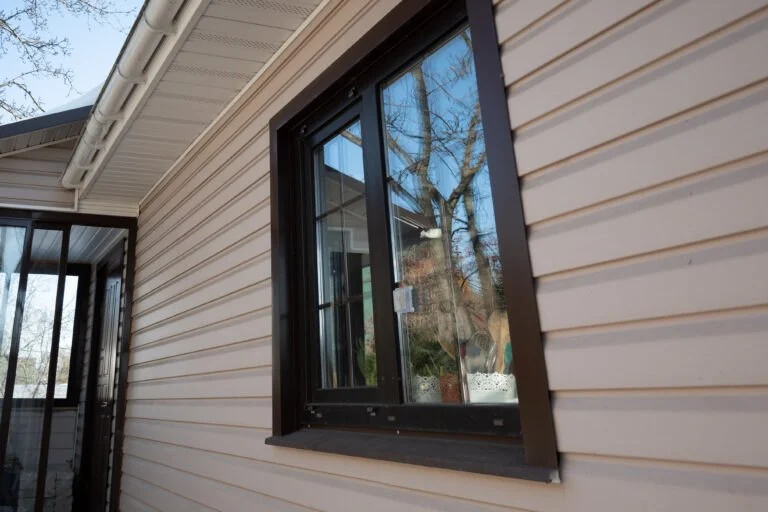
Siding typically refers to the outer material attached to the exterior walls of a building, often for aesthetic and weatherproofing purposes. It can be made from a variety of materials, including wood, vinyl, and fiber cement. On the other hand, cladding is often used as a broader term to describe any material applied to the exterior surface of a structure, sometimes for insulation or decoration, and is more commonly used in commercial and industrial buildings.

2. Differences Between Siding and Cladding
The main difference between siding and cladding lies in their function, materials, and common applications. While both serve as a protective barrier against the elements, their purposes can vary significantly based on the structure of the building.
1. Function and Purpose: Siding is generally used for residential homes and is designed to improve the home’s curb appeal while offering protection from the elements. Cladding, however, is more commonly associated with commercial and industrial buildings and can provide additional benefits such as thermal insulation or fire resistance.
2. Materials: Siding materials typically include wood, vinyl, aluminum, and fiber cement, all of which are chosen for their ease of installation and ability to withstand different weather conditions. Cladding materials, on the other hand, can include metals like steel or aluminum, stone, glass, and even composite panels, which are designed to provide additional structural benefits beyond aesthetics.
3. Installation and Maintenance: Siding tends to be easier and less expensive to install and maintain, making it a popular choice for homeowners. Cladding, particularly if it involves more specialized materials, may require more advanced installation and higher ongoing maintenance costs.

3. Best Materials for Siding and Cladding
When choosing between siding and cladding for your home or building, the material you select is a crucial consideration. Let’s take a closer look at some of the best materials for both options:
Siding Materials:
- Wood Siding: A timeless option for those seeking a natural aesthetic, wood siding adds charm and warmth to a home. However, it requires regular maintenance to prevent rot and wear from the elements.
- Vinyl Siding: A cost-effective and low-maintenance option, vinyl siding is available in a variety of colors and styles. It is a popular choice due to its durability and resistance to moisture and insects.
- Fiber Cement Siding: Known for its fire resistance and long-lasting durability, fiber cement siding is an excellent choice for homeowners seeking both aesthetics and protection. It can mimic the look of wood or stone while requiring minimal upkeep.
Cladding Materials:
- Metal Cladding: Steel and aluminum are often used for commercial buildings due to their durability, fire resistance, and modern aesthetic. Metal cladding is often seen on sleek, industrial-style buildings and can be very effective at insulating against heat and cold.
- Stone Cladding: Stone cladding adds a luxurious touch to any building, offering both beauty and durability. While more expensive, it is an excellent option for those seeking a timeless look.
- Composite Cladding: Composite materials, such as cement board or fiberboard, are increasingly popular for their strength and versatility. They are highly resistant to weathering and can be used in both residential and commercial applications.
4. Choosing Siding or Cladding for Your Home
Choosing between siding and cladding for your home ultimately depends on several factors, such as your budget, desired aesthetic, and the climate where you live. Here are some points to consider when making your decision:
1. Budget: Siding materials such as vinyl or wood are often more affordable and easier to install than cladding materials like metal or stone. If you’re working within a tight budget, siding might be the more practical choice.
2. Aesthetic Preferences: Consider the style and appearance you want for your home. Siding is ideal for traditional and suburban homes, while cladding is often used to create a more modern, sleek look. Cladding, especially with materials like stone or metal, can give a home a more unique and industrial appearance.
3. Environmental Conditions: The climate in your area should also influence your decision. If you live in an area with extreme temperatures or harsh weather conditions, materials like fiber cement siding or metal cladding can offer better protection against the elements.
At Total Roofing Hub, we can help you choose the right siding or cladding material for your home based on your specific needs. Whether you’re looking for durability, energy efficiency, or aesthetic appeal, we have a wide selection of materials that will fit your project.




 Authority Lifetime Roofing Co5.0 (1 reviews)
 K&D Contractors Inc5.0 (61 reviews)
 Maselli’s Handyman Services LLC5.0 (26 reviews)
 A+ Exteriors, LLC.5.0 (12 reviews)
 Thomas and Hall 802 Builders4.0 (24 reviews)
 Ariel Builders Roofing Services5.0 (142 reviews)
 How to Choose a Reliable Roofing Contractor Near You
 The Environmental Benefits of a Cool Roof
 Roofing Underlayment Replacement: When It’s Necessary | Roofing Tips
 Roof & Siding Maintenance Tips for Real Estate Investors
 Everything You Need to Know About Roof Warranties – Types, Coverage, and Claims
 The Average Lifespan of Asphalt Shingle Roofs: What Homeowners Need to Know