
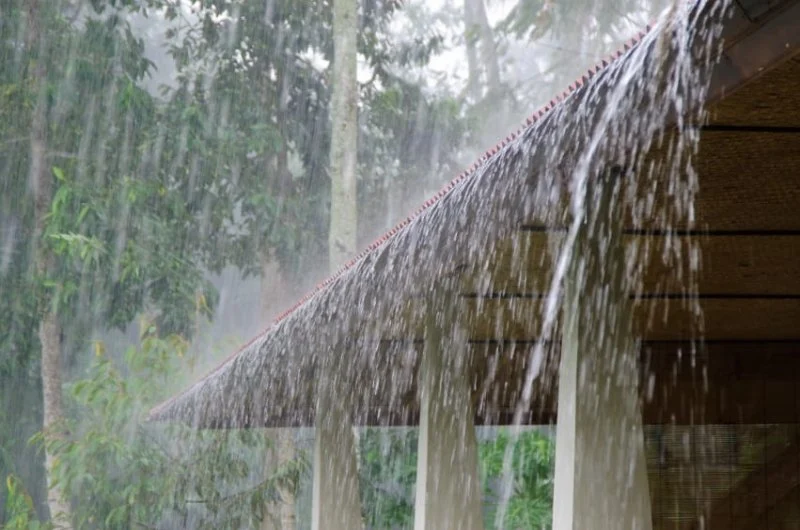
How to Protect Your Roof from Heavy Rainfall
- Why Roof Protection Is Crucial During Heavy Rain
- Common Roof Damages Due to Heavy Rain
- Roof Maintenance Tips to Prevent Rain Damage
- Signs of Roof Leaks to Look Out For
- How to Prepare Your Roof for Heavy Rain
- Why Choose Total Roofing Hub for Roof Maintenance
1. Why Roof Protection Is Crucial During Heavy Rain
Your roof is your home’s first line of defense against the elements, especially during heavy rainfall. A well-maintained roof not only protects you from leaks and water damage but also contributes to the structural integrity of your home. Heavy rainfall can expose weaknesses in your roof, leading to potential damage like leaks, mold growth, and even collapse if not properly addressed. Therefore, taking proactive steps to protect your roof from heavy rain can save you from costly repairs and ensure your home stays dry and secure.

Yost Home Improvements, Inc.
WaterfordSoutheastern Connecticut Planning RegionConnecticut
1018 Hartford Turnpike, CT-85, Waterford, CT 06385, USA
2. Common Roof Damages Due to Heavy Rain
Heavy rainfall can cause several types of roof damage, including:
- Leaks: One of the most common issues caused by heavy rain is roof leaks. Water can seep through damaged shingles, cracked flashing, or poorly sealed areas, leading to water stains on ceilings and walls.
- Water Pooling: If your roof doesn’t have adequate drainage, heavy rain can lead to water pooling. This excess water puts added weight on the roof and can cause sagging or even collapse over time.
- Mold and Mildew Growth: Constant exposure to moisture from leaks can create the perfect environment for mold and mildew growth, which can damage your roof and impact the air quality inside your home.
- Damaged Gutters: Rainwater can cause gutters to become clogged with leaves, twigs, and debris, preventing proper drainage. Clogged gutters can lead to water backing up onto the roof and potentially causing leaks or rot.
3. Roof Maintenance Tips to Prevent Rain Damage
Regular maintenance is key to preventing roof damage during heavy rainfall. Here are some tips to ensure your roof is prepared for rain:
- Inspect and Replace Damaged Shingles: Shingles that are cracked, missing, or curling can allow water to seep through. Regularly inspect your roof for damage and replace shingles as necessary to maintain a watertight seal.
- Clean Gutters and Downspouts: Ensure that gutters and downspouts are free of debris so water can flow freely off the roof. Clogged gutters can lead to water overflow and damage the roof and foundation.
- Check Flashing: Flashing is the material that seals joints and edges around chimneys, skylights, and vents. Ensure the flashing is in good condition and properly sealed to prevent leaks.
- Trim Overhanging Branches: Branches that hang over your roof can cause damage during a storm. Trim any overhanging branches to prevent them from breaking off and damaging your roof during heavy rainfall or windstorms.
4. Signs of Roof Leaks to Look Out For
Even with proper maintenance, roof leaks can still occur. Look for these signs that might indicate a roof leak:
- Water Stains on Ceilings or Walls: Dark water stains on your ceilings or walls often indicate water is leaking through the roof.
- Musty Odors: A musty or damp smell in your attic or living space may signal mold or mildew growth due to water infiltration.
- Peeling or Bubbling Paint: If the paint on your walls or ceilings is peeling or bubbling, it could be a result of trapped moisture behind the surface.
- Damp or Wet Insulation: Wet insulation in the attic can be a sign that rainwater is leaking through the roof and causing moisture buildup inside your home.
5. How to Prepare Your Roof for Heavy Rain
Preparing your roof for heavy rain involves proactive steps to ensure it is in optimal condition to handle the stress of a storm. Here’s how you can prepare your roof:
- Schedule a Professional Inspection: Have a roofing professional inspect your roof before the rainy season. They can identify potential issues and provide recommendations to keep your roof secure during heavy rainfall.
- Seal Any Gaps or Cracks: Seal any gaps around chimneys, vents, and skylights to prevent water from entering through these vulnerable areas.
- Install a Waterproofing Membrane: Consider installing a waterproof membrane on your roof to add an extra layer of protection against water infiltration.
- Ensure Proper Drainage: Ensure that your roof has adequate drainage to prevent water buildup. Check the pitch and slope of your roof and make sure gutters and downspouts are properly placed.
6. Why Choose Total Roofing Hub for Roof Maintenance
At Total Roofing Hub, we specialize in providing high-quality roofing materials and expert services to help you protect your home from the elements. Whether you need a roof inspection, repairs, or new installation, our team of professionals is here to ensure that your roof is in top condition year-round. Visit Total Roofing Hub today for all your roofing needs and get the best products and services to keep your roof protected from heavy rainfall and other weather conditions.


 Solid Green Construction5.0 (20 reviews)
 CQ Roofing Company4.0 (179 reviews)
 Widdoss Roofing4.0 (47 reviews)
 Bay Seamless Gutters4.0 (102 reviews)
 Major Construction Inc Roofing and Siding4.0 (80 reviews)
 Choice Roofing and Construction4.0 (47 reviews)
 The Average Lifespan of Asphalt Shingle Roofs: How Long Do They Last?
 How Roof Gutters and Downspouts Should Be Installed & Maintained
 Siding vs Stucco: Which Is Better for Your Home?
 Top 10 Signs Your Roof Needs Immediate Repair You Shouldn’t Ignore
 Best Time of Year to Replace Your Roof: A Seasonal Guide for Homeowners
 How Much Insulation Under Your Roof Do You Really Need? Essential Guide for Homeowners