
- 1-understanding-environmental-threats
- 2-sun-heat-impact-on-roofing
- 3-rain-moisture-damage-risks
- 4-wind-storm-related-damage
- 5-snow-ice-winter-effects
- 6-routine-inspections-and-maintenance
- 7-real-homeowner-story
- 8-long-term-roof-protection-strategies
1. Understanding Environmental Threats to Your Roof
Your roof works quietly every day, protecting your home from sun, rain, wind, and seasonal temperature changes. Many homeowners don’t think about it until there’s a leak, but learning how to prevent roof damage from environmental factors can save thousands of dollars in repairs.
Environmental wear happens slowly. A little heat exposure here, a few heavy storms there, and over time shingles weaken, seals loosen, and moisture starts to find its way in. The key is recognizing what your roof faces year-round and taking steps before problems become visible.
From intense summer heat in southern states to snow and ice in northern regions, every climate brings different risks that homeowners should understand.
2. How Sun and Heat Affect Roofing Materials
In many parts of the United States, strong sunlight is one of the most constant environmental stressors. Over time, ultraviolet rays can cause roofing materials to dry out, crack, and lose flexibility.
1. Shingles may become brittle after years of exposure, making them more likely to break during storms.
2. Prolonged heat can cause roofing materials to expand and contract, weakening seals and fasteners.
3. Fading color is often an early sign of UV-related damage.
Installing reflective coatings, ensuring proper attic ventilation, and choosing durable roofing materials can help reduce the long-term effects of sun exposure.
3. Rain and Moisture Damage Risks
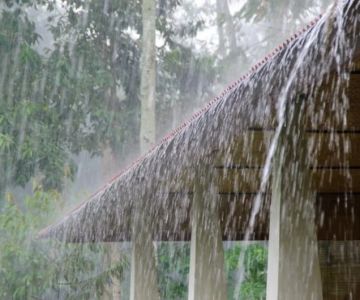
Water is one of the most damaging elements for any roof. Even a small crack or lifted shingle can allow moisture to seep in and cause hidden damage over time.
1. Persistent rain can weaken roof layers and lead to mold or mildew growth.
2. Clogged gutters cause water to back up, leading to leaks near the edges of the roof.
3. Small leaks often go unnoticed until they affect ceilings or walls inside the home.
Keeping gutters clean and checking flashing around chimneys and vents can significantly reduce the chances of water-related damage.
4. Wind and Storm-Related Roof Damage
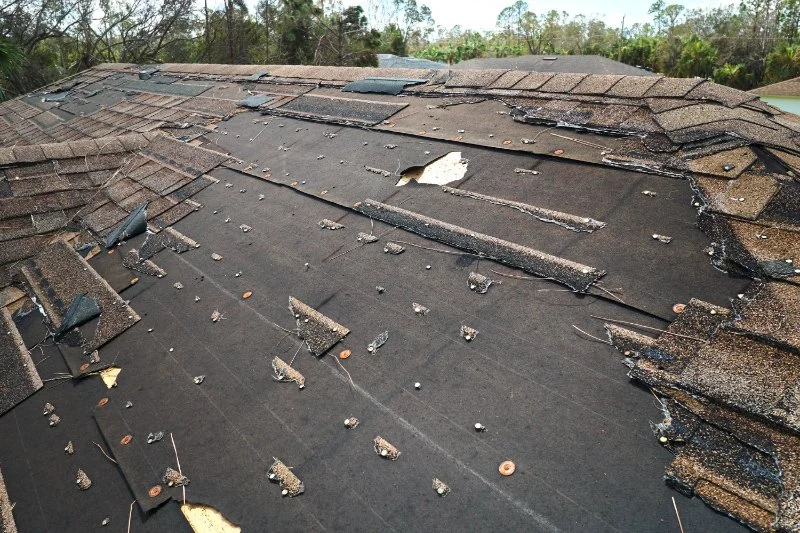
Strong winds are a major cause of roof damage across the country. They don’t just happen during major storms; even regular seasonal winds can gradually loosen roofing materials.
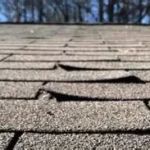
1. High winds can lift shingles, exposing the layers beneath.
2. Flying debris such as branches can crack or puncture roofing surfaces.
3. Loose shingles make roofs more vulnerable to the next storm.
After any major weather event, a quick visual inspection from the ground can help you spot missing shingles or debris buildup before it turns into a larger issue.
5. Snow and Ice Effects on Roof Longevity
In colder regions, winter brings its own set of challenges. Snow may look harmless, but the weight and melting process can create problems.
1. Ice dams form when snow melts and refreezes at roof edges, trapping water underneath shingles.
2. Heavy snow accumulation adds pressure that can strain older roofing structures.
3. Repeated freezing and thawing cycles weaken materials over time.
Proper insulation and attic airflow help regulate temperature and reduce ice buildup, protecting the structure beneath the roof surface.
6. Routine Inspections and Maintenance Habits
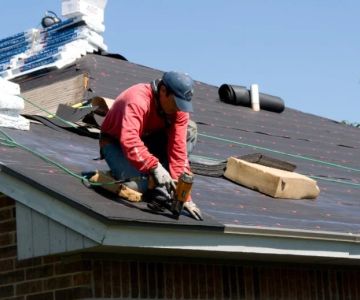
One of the most effective ways to prevent roof damage from environmental factors is through regular maintenance. A simple seasonal routine can extend the life of your roof significantly.
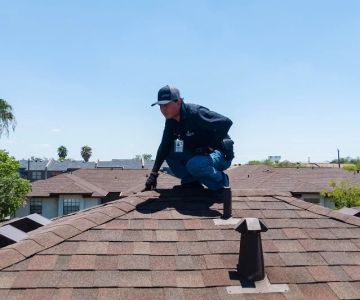
1. Inspect the roof visually in spring and fall for missing or curled shingles.
2. Clean gutters to prevent water overflow.
3. Trim overhanging branches that could fall during storms.
4. Check attic spaces for moisture or light coming through the roof.
These small steps often catch early signs of damage before they require expensive repairs. Many homeowners find useful inspection tools and materials through Total Roofing Hub when maintaining their roofs.
7. A Real Homeowner Story About Preventing Roof Damage
A homeowner in Colorado once noticed small granules collecting in their gutters after a windy spring season. Instead of ignoring it, they scheduled a simple inspection. It turned out the strong winds had loosened several shingles, and a minor repair fixed the issue quickly.
Just a few months later, a heavy storm passed through the area. Neighboring homes suffered leaks and interior damage, but this home remained protected. That early inspection made all the difference.
This example shows that prevention is often about paying attention to small signs and acting early.
8. Long-Term Roof Protection Strategies for Homeowners
Thinking ahead is the best approach when protecting your roof from environmental wear. Long-term planning helps homeowners avoid sudden, costly surprises.
1. Choose weather-resistant materials suited for your region.
2. Schedule professional inspections every few years.
3. Keep your attic properly ventilated and insulated.
4. Address minor repairs before they grow into major structural problems.
Over time, consistent care adds years to a roof’s lifespan. For homeowners who want reliable materials, maintenance supplies, and practical solutions, Total Roofing Hub offers helpful resources that support long-term roof protection and home safety.

 ANGELS ROOFING INC4.0 (26 reviews)
 Gardena Roofing4.0 (23 reviews)
 V&D Professional Roofing5.0 (40 reviews)
 A1 Garden State Construction5.0 (119 reviews)
 Holguin's Handyman & Services, LLC4.0 (6 reviews)
 Litespeed Construction - Asheville Roofing Contractor4.0 (114 reviews)
 How Siding Affects Indoor Air Quality & Moisture Control
 Roof Durability in Mixed Climates: Hot Days & Cold Nights – Key Considerations
 How Much Does a New Roof Cost in 2025? | Total Roofing Hub
 How to Prevent and Fix Ice Dams on Your Roof
 Top 10 Signs Your Roof Needs Immediate Repair
 The Average Lifespan of Asphalt Shingle Roofs and How to Extend It