
- Understanding Roof Warranties
- When to File a Roof Warranty Claim
- The Steps of the Roof Warranty Claim Process
- Common Challenges in Filing a Roof Warranty Claim
- How to Increase Your Chances of a Successful Roof Warranty Claim
- Real-Life Examples of Successful Roof Warranty Claims
1. Understanding Roof Warranties
Roof warranties are designed to provide homeowners and businesses with peace of mind when it comes to their roofing systems. These warranties typically cover defects in materials or workmanship that occur after installation. However, it’s important to understand that not all roof warranties are the same. There are different types of warranties, including manufacturer warranties and contractor warranties, each with its own terms and conditions. Before you file a warranty claim, it’s crucial to understand the specifics of your roof’s warranty.

1.1- Manufacturer vs. Contractor Warranties
Manufacturer warranties cover defects in the materials used for your roofing system. These warranties often last longer (sometimes 20 years or more) and are typically valid as long as the roof materials are installed correctly. Contractor warranties, on the other hand, cover issues related to the installation or workmanship. These warranties usually last a shorter period (often 1-5 years) but provide coverage if the installation is not done properly.
Albert J Jackson Inc.
CrownsvilleAnne Arundel CountyMaryland
1222 Bacon Ridge Rd, Crownsville, MD 21032, USA
1.2- Key Warranty Terms to Know
Before filing a claim, it’s essential to understand the terms of your roof warranty. Common terms include coverage limits (such as what is and isn’t covered), the length of the warranty, and the transferability (whether the warranty can be passed on to a new homeowner). You should also know if there are any exclusions, such as damages caused by natural disasters, neglect, or improper maintenance.
2. When to File a Roof Warranty Claim
Knowing when to file a roof warranty claim is important to ensure that you are eligible for coverage. Filing a claim too late or for the wrong reasons can lead to delays or a denial of coverage. Below are some common situations when you should consider filing a roof warranty claim.
2.1- Roof Damage Caused by Defective Materials
If your roof shows signs of damage caused by defective materials, such as leaks or cracks in the shingles or membrane, it may be covered by the manufacturer’s warranty. Roof damage resulting from a manufacturing flaw is one of the most common reasons to file a warranty claim.
2.2- Issues with Installation or Workmanship
If you experience problems with the way your roof was installed, such as improper flashing or ventilation leading to leaks, the contractor’s warranty may cover repairs. In these cases, it’s essential to review the warranty for coverage details regarding installation defects.
2.3- Premature Wear and Tear
Some warranties cover premature wear and tear, especially if the roofing materials are meant to last a certain number of years but fail much earlier. If you notice signs of wear or degradation that seem unusually early, it’s worth investigating whether your warranty covers these issues.
3. The Steps of the Roof Warranty Claim Process
The process of filing a roof warranty claim can seem daunting, but understanding the steps involved can help ensure a smooth experience. Here’s an overview of the general process for filing a claim:
3.1- Review Your Warranty
The first step is to thoroughly review your warranty. Pay close attention to the specific terms and conditions, including coverage limits, exclusions, and required documentation. This will help you determine if your issue is covered and if you meet the necessary conditions for a valid claim.
3.2- Document the Problem
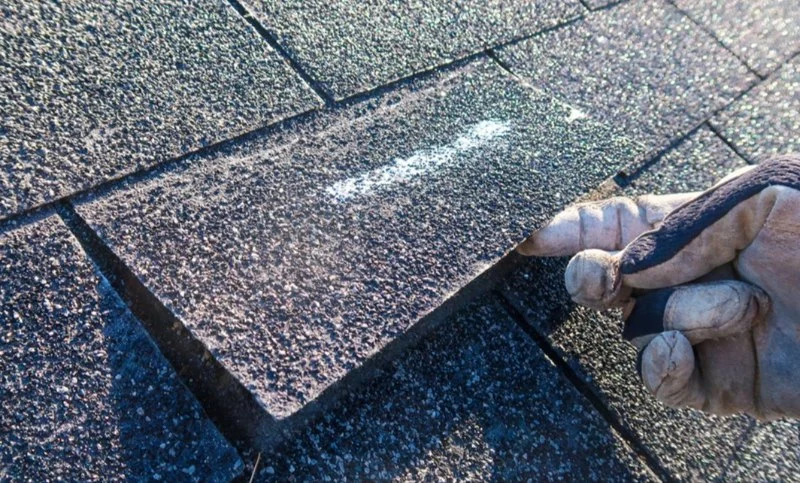
Before you file a claim, it’s essential to document the problem with your roof. Take clear photos or videos of any visible damage, and note the date the issue was first observed. Having detailed records of the damage will help support your claim and expedite the process.
3.3- Contact the Manufacturer or Contractor
Once you’ve reviewed your warranty and documented the issue, the next step is to contact the manufacturer or contractor who issued the warranty. They will provide you with instructions on how to proceed with the claim. In many cases, they may request additional documentation or ask for an inspection of the roof to assess the damage.
3.4- Schedule an Inspection
In some cases, an inspector may need to visit your property to verify the damage and confirm that it’s covered by the warranty. Be prepared to provide access to your roof and any necessary information during this inspection. The inspector will evaluate the damage and report back to the manufacturer or contractor.
3.5- Wait for Approval and Repair
Once the inspection is complete, the manufacturer or contractor will determine whether your claim is valid and if it will be approved. If the claim is approved, they will arrange for the necessary repairs or replacement, depending on the terms of the warranty. Make sure to keep copies of all correspondence and documentation related to the claim for your records.
4. Common Challenges in Filing a Roof Warranty Claim
While the roof warranty claim process is generally straightforward, there are some challenges that homeowners may face. Below are a few common issues that can arise during the claims process.
4.1- Denial Due to Exclusions
One of the most common reasons for a denied claim is the presence of exclusions in the warranty. Many warranties do not cover damage caused by certain factors, such as natural disasters, poor maintenance, or unauthorized modifications to the roof. It’s essential to be aware of these exclusions to avoid disappointment when filing a claim.
4.2- Delays in the Claims Process
Roof warranty claims can sometimes take longer than expected, especially if additional inspections or documentation is required. Delays can occur if the manufacturer or contractor is slow to respond or if the inspection process is prolonged. Staying in regular communication with the warranty provider can help minimize delays.
4.3- Disagreements Over the Extent of Damage
Another challenge homeowners may face is disagreement over the extent of the damage or whether it is covered by the warranty. If there is a dispute over whether the damage is the result of a manufacturing defect or poor installation, it may be necessary to bring in an independent expert to assess the situation.
5. How to Increase Your Chances of a Successful Roof Warranty Claim
While the roof warranty claim process can be straightforward, there are several steps you can take to improve your chances of success.
5.1- Keep Detailed Records
Maintaining detailed records of your roof’s condition, including maintenance, repairs, and inspections, will make the claims process smoother. Having a clear history of care and any issues that have been addressed will help demonstrate that the problem is covered by the warranty.
5.2- Perform Regular Roof Maintenance
Routine maintenance can help prevent problems from escalating into warranty claims. Ensure that your roof is regularly inspected, cleaned, and maintained to avoid unnecessary damage. Some warranties may also require proof of regular maintenance to remain valid.
5.3- Understand Your Warranty Terms
Before an issue arises, take the time to thoroughly understand the terms of your warranty. Knowing what is and isn’t covered can save time and confusion down the line. If you have any questions, don’t hesitate to contact the warranty provider for clarification.
6. Real-Life Examples of Successful Roof Warranty Claims
Consider the case of a homeowner in Texas who filed a successful roof warranty claim after noticing persistent leaks during heavy rain. Upon inspection, it was found that the shingles had been defective, causing the leaks. Thanks to the detailed records the homeowner had kept, including inspection reports and maintenance logs, the claim was processed quickly, and the roof was replaced under the warranty.
6.1- Lessons Learned
This example highlights the importance of keeping accurate records and understanding your warranty terms. By being proactive and staying on top of maintenance, homeowners can avoid potential issues and ensure that their roof warranty claims are handled efficiently.
Conclusion
Filing a roof warranty claim can be a simple process if you understand the steps involved and are prepared with the right documentation. By maintaining your roof, staying informed about your warranty, and following the claims process carefully, you can increase the chances of a successful claim. For more tips on roof maintenance and warranty management, visit Total Roofing Hub for expert advice and recommendations.



 Alan Townsend Roofer4.0 (135 reviews)
 Vinyl Siding By HR Snethen Home Imp , inc3.0 (10 reviews)
 Home Improvement Contracting4.0 (10 reviews)
 FD Remodeling Atlanta4.0 (90 reviews)
 Installation Services5.0 (1 reviews)
 Redemption Roofing4.0 (178 reviews)
 Roof Structure Health: How to Detect Frame or Sheathing Problems
 The Pros and Cons of Vinyl Siding for Your Home
 How Much Does a New Roof Cost in 2025? | Total Roofing Hub
 Siding Material Maintenance in Maple Wood, Cedar or Composite: Tips for Long-Lasting Protection
 How to Maintain Your Siding Year Round for Optimal Home Protection
 What’s the Best Time of Year to Replace Your Roof?