- Understanding Vinyl Siding
- Pros of Vinyl Siding
- Cons of Vinyl Siding
- Is Vinyl Siding Right for Your Home?
- Find Vinyl Siding Products at Total Roofing Hub
Understanding Vinyl Siding
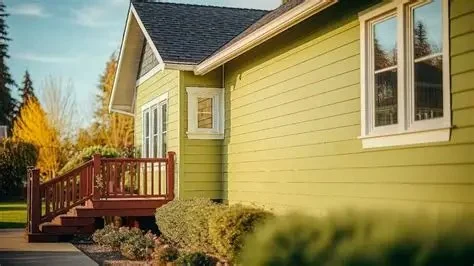
Vinyl siding has become one of the most popular exterior materials for homes across the United States, due to its combination of durability, affordability, and low-maintenance requirements. Available in a variety of colors and styles, it can easily complement any home's architectural style.
This article will delve into the pros and cons of vinyl siding, helping you make an informed decision when considering it for your next home improvement project.
On Point Building & Remodeling
PlainfieldNortheastern Connecticut Planning RegionConnecticut
3 Stone House Dr, Moosup, CT 06354, USA
1. Pros of Vinyl Siding
Vinyl siding offers several advantages, which have contributed to its widespread popularity among homeowners. Let's look at the key benefits of choosing vinyl siding for your home.
Low Maintenance
One of the most significant benefits of vinyl siding is its low-maintenance nature. Unlike wood, vinyl does not require frequent painting or sealing. The material is resistant to rot, insects, and extreme weather conditions, reducing the need for ongoing upkeep.
Cost-Effective
Compared to other siding materials such as wood or fiber cement, vinyl siding is relatively inexpensive. Its cost-effective pricing makes it an excellent choice for homeowners on a budget, without compromising on durability or style.
Durability and Longevity
Vinyl siding is known for its durability and long lifespan. It can withstand harsh weather conditions, including rain, snow, and wind, without deteriorating. In addition, it is resistant to fading, cracking, or warping, ensuring it remains visually appealing for many years.
Variety of Styles and Colors
Vinyl siding comes in a wide range of styles, including traditional horizontal lap siding, vertical siding, and shakes, as well as an array of colors. This variety allows homeowners to find a siding option that complements their home’s design and aesthetic preferences.
Energy Efficiency
When paired with proper insulation, vinyl siding can significantly improve your home's energy efficiency. The material helps to regulate internal temperatures by reducing the amount of heat loss or gain, ultimately lowering heating and cooling costs.
2. Cons of Vinyl Siding
While vinyl siding has many advantages, there are some potential drawbacks to consider. Below are some of the disadvantages associated with vinyl siding:
Potential for Damage
Though durable, vinyl siding can be prone to cracking, denting, or warping if it is impacted by objects like hail, falling branches, or other debris. Extreme temperatures can also cause vinyl to expand or contract, which may lead to structural issues over time.
Environmental Impact
Vinyl siding is made from polyvinyl chloride (PVC), a material that raises environmental concerns. While it is recyclable, the process of manufacturing vinyl can be harmful to the environment. Additionally, vinyl siding does not biodegrade, which could contribute to landfill waste if not properly recycled.
Limited Customization
Although vinyl siding comes in a wide range of colors and textures, it offers limited customization compared to materials like wood or stucco. Homeowners who want more unique or intricate designs may find vinyl siding to be less versatile in terms of appearance.
Installation Challenges
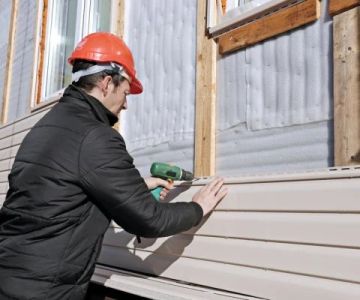
While vinyl siding installation is relatively straightforward, it requires precision to ensure that the siding fits properly and that gaps do not allow moisture to seep behind the panels. Incorrect installation can lead to damage, leaks, or reduced performance over time.
3. Is Vinyl Siding Right for Your Home?
When determining whether vinyl siding is the best choice for your home, consider the following factors:
1. Budget
If you’re looking for an affordable and low-maintenance option, vinyl siding is an excellent choice. It provides a good balance between cost and performance, making it ideal for homeowners on a budget.
2. Climate
If you live in an area with harsh weather conditions, such as extreme heat or cold, vinyl siding can be a durable and weather-resistant choice. However, if you live in a region prone to frequent storms or falling debris, you may want to consider a more resilient material like fiber cement.
3. Appearance
Vinyl siding offers a clean, traditional appearance, but it may not be the best option for homeowners seeking a more unique or custom look. If aesthetics are your top priority, you might prefer the classic charm of wood or the elegance of stucco.
4. Find Vinyl Siding Products at Total Roofing Hub
If you’ve decided that vinyl siding is the right choice for your home, visit Total Roofing Hub for the best selection of vinyl siding materials. Whether you need standard panels, custom colors, or insulation options, we have everything you need to get your siding project underway.
Our expert team can help you choose the right vinyl siding for your home and provide professional installation services to ensure optimal performance and longevity.
 Marc Joseph remodeling5.0 (1 reviews)
 PRS Roofing Inc5.0 (9 reviews)
 KAPS CONSTRUCTION4.0 (5 reviews)
 Marshall Exteriors, LLC4.0 (213 reviews)
 S.W.A.T. Roofing & Consulting4.0 (46 reviews)
 MATFI RENOVATIONS LLC5.0 (23 reviews)
 Siding Material Fire Ratings: What’s Required & What to Choose
 Roof Talk: Common Terminology Every Homeowner Should Know
 How Often Should You Replace Your Home's Siding? Expert Tips on Siding Longevity
 The Average Lifespan of Asphalt Shingle Roofs: How Long Do They Last?
 How to Choose a Reliable Roofing Contractor Near You | Top Tips and Questions
 Should I Repair or Replace My Roof? – Expert Guide for U.S. Homeowners