1. Why Replace Your Roof for an Older Property?
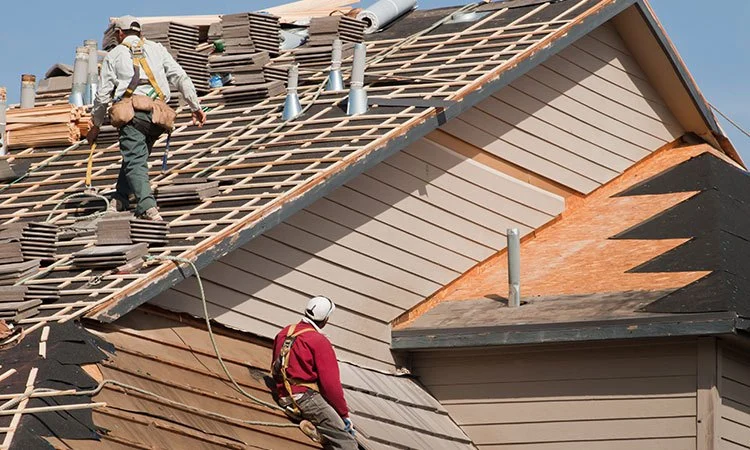
Roof replacement for older properties is essential for maintaining the structural integrity, aesthetic appeal, and safety of your home. Over time, roofs age and wear out, leading to leaks, energy inefficiency, and potential water damage. An outdated roof can also reduce the value of your property, making it less appealing to potential buyers. By replacing the roof, you not only safeguard your home from the elements but also ensure better energy efficiency and enhance curb appeal.
2. Signs That Your Old Roof Needs Replacement
It’s essential to recognize the warning signs that indicate your roof may need to be replaced. Here are some of the most common indicators:
A&Z Prime Services LLC
CromwellLower Connecticut River Valley Planning RegionConnecticut
2nd floor, 2 Willowbrook Rd, Cromwell, CT 06416, USA
1. Visible Wear and Tear
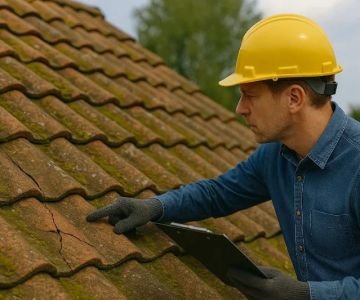
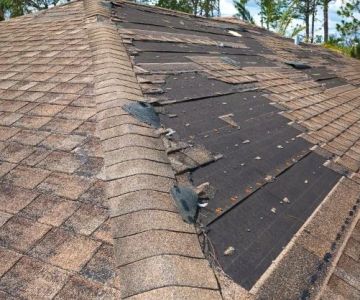
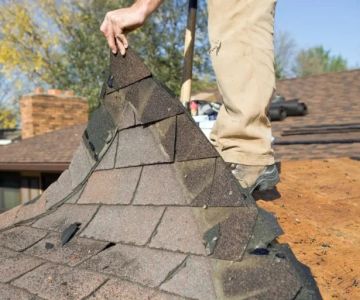
Over time, your roof will naturally experience wear and tear due to exposure to weather elements. Missing shingles, cracked tiles, or curled edges can all signal that your roof is past its prime and may need replacing.
2. Frequent Leaks or Water Damage
If you notice water stains on the ceiling, especially after heavy rainfall, it's a sign that your roof is leaking. Continued leakage can lead to extensive water damage inside the house, which may cost more to repair than a roof replacement.
3. Sagging Roof Deck
A sagging roof deck is a serious sign that the structure of your roof is compromised. This can occur when the roof’s support system is weakened due to age or water damage. If left unaddressed, it could lead to a complete roof collapse.
4. Higher Energy Bills
If your home is experiencing higher than normal energy bills, it could be due to poor insulation and ventilation caused by an aging roof. A new roof with updated insulation and ventilation can help lower energy costs by improving temperature control in your home.
5. Age of the Roof
The average lifespan of a roof depends on the material used. Asphalt shingles last about 20-25 years, while tile and metal roofs can last 50 years or more. If your roof is nearing the end of its expected lifespan, it’s a good idea to start considering replacement before significant problems arise.
3. Choosing the Right Roofing Material for Older Homes
When replacing the roof of an older property, choosing the right material is crucial. The material should not only complement the style of the home but also provide the necessary durability and energy efficiency. Here are some popular roofing materials for older homes:
1. Asphalt Shingles
Asphalt shingles are one of the most common and affordable roofing materials. They offer great durability and come in various styles and colors to match the home’s aesthetic. However, they may not be ideal for homes in areas with extreme weather conditions, as they can wear out faster compared to other materials.
2. Metal Roofing
Metal roofing is highly durable, energy-efficient, and fire-resistant. It’s a great option for homeowners looking for a long-lasting solution. Metal roofs are also ideal for homes in areas prone to harsh weather, as they can withstand high winds and heavy snow.
3. Slate Roofing
Slate roofs are known for their beauty and longevity, making them an excellent choice for older, historic homes. Although slate can be more expensive than other materials, its durability and aesthetic appeal often make it worth the investment.
4. Tile Roofing
Tile roofing is another popular option for older homes, especially in Mediterranean-style or Southwestern-style properties. Tile roofs are highly durable and provide excellent insulation, though they can be heavy and require additional structural support in some cases.
4. The Roof Replacement Process Explained
The process of replacing a roof can be broken down into several key steps:
1. Inspection and Assessment
Before replacing your roof, a professional roofer will perform an inspection to assess the current condition of the roof and identify any underlying issues. This step is crucial to understanding the extent of the damage and the materials required for the replacement.
2. Material Selection
Once the roof inspection is complete, you’ll work with the roofing contractor to choose the best materials for your roof replacement. This will depend on your budget, aesthetic preferences, and the climate of your region.
3. Removal of Old Roof
After the materials are selected, the old roof is carefully removed. This step may involve removing layers of old shingles, tiles, or other materials. The roof decking is also inspected to ensure it’s structurally sound.
4. Installation of New Roof
Once the old roof is removed, the new roof is installed. The process includes laying down underlayment, installing new shingles or tiles, and securing the roof with nails or fasteners. Proper installation is key to ensuring the roof’s durability and effectiveness in protecting your home.
5. Final Inspection
Once the new roof is installed, a final inspection is performed to ensure that everything is properly installed and meets local building codes. Any necessary adjustments are made before the project is completed.
5. Cost Considerations for Replacing an Old Roof
Roof replacement costs can vary significantly depending on factors like the size of your roof, the materials chosen, and the complexity of the installation. On average, a roof replacement can cost between $5,000 and $10,000. It's important to budget for the following costs:
1. Material Costs
The type of material you choose will have the biggest impact on the overall cost. Asphalt shingles are the most affordable, while slate and tile roofing can be more expensive due to their premium quality.
2. Labor Costs
Labor costs will depend on the complexity of the roof replacement and the experience of the roofing contractor. Typically, labor costs make up around 40-60% of the total cost of the project.
3. Additional Costs
Additional costs may include the removal and disposal of the old roof, structural repairs, and permits. Be sure to ask your contractor for a detailed estimate to avoid unexpected expenses.
6. Real-Life Story: How I Replaced an Old Roof on My Home
When I bought my house, the roof was already over 20 years old. After a few minor leaks and increasing energy bills, I realized it was time for a replacement. I chose a metal roof due to its durability and energy efficiency. The process was smooth, thanks to the expertise of my contractor. They helped me choose the right material, and the job was completed on time. Not only has my home become more energy-efficient, but the new roof has also increased its curb appeal.
7. Find the Best Roofing Supplies at Total Roofing Hub
If you’re looking to replace your roof or need high-quality roofing supplies, Total Roofing Hub offers everything you need. From shingles and tiles to tools and underlayment, we provide top-notch materials to ensure your roof replacement is a success. Visit Total Roofing Hub today for all your roofing needs!
 Rainstoppers Inc5.0 (7 reviews)
 Keeping You Dry Roofing4.0 (69 reviews)
 Roof Master Roofing Co.5.0 (1 reviews)
 G. Fedale Roofing and Siding4.0 (10 reviews)
 Pyramid Roofing4.0 (348 reviews)
 Westview Roofing Co5.0 (125 reviews)
 Should I Repair or Replace My Roof? Expert Advice for Homeowners
 The Average Lifespan of Asphalt Shingle Roofs: How Long Will They Last?
 How Much Does a New Roof Cost in 2025? A Complete Guide for Homeowners
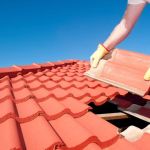 The Best Time of Year to Replace Your Roof: Expert Advice
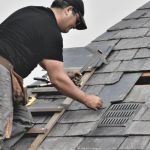 Should I Repair or Replace My Roof?
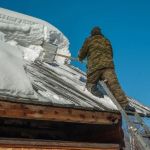 Roof Snow Removal: Safety Tips & Do’s and Don’ts