
- 1. Understanding Roof Wear and Tear
- 2. Key Signs of Roof Damage to Watch For
- 3. The Importance of Regular Roof Inspections
- 4. How to Prevent Roof Damage and Extend Its Lifespan
- 5. Case Study: A Homeowner's Experience with Early Roof Damage Detection
1. Understanding Roof Wear and Tear
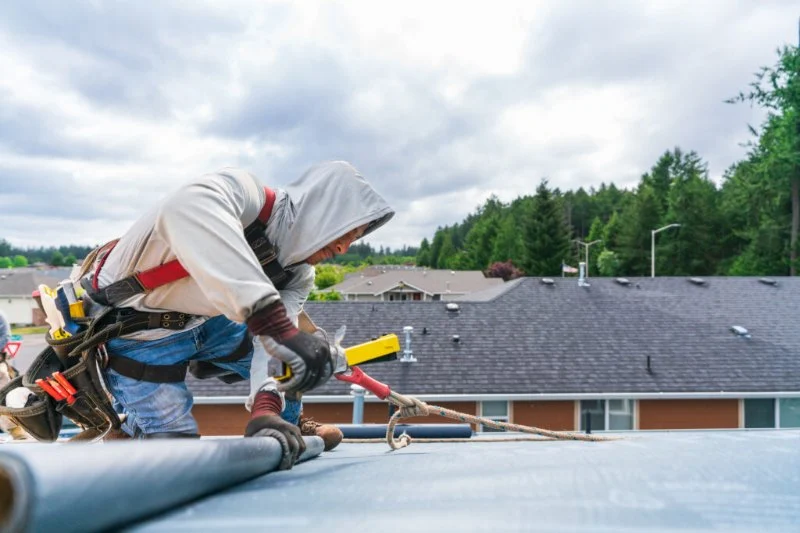
As a homeowner, it’s essential to understand that your roof is constantly exposed to the elements, which leads to gradual wear and tear. Whether it's the harsh rays of the sun, rain, snow, or high winds, these factors can deteriorate your roof over time. Identifying roof wear and tear early can prevent more significant damage and costly repairs in the future.
Roof wear and tear are inevitable, but knowing how to spot the early signs of damage can save you money and avoid emergency repairs. From cracked shingles to hidden leaks, understanding roof maintenance basics helps homeowners stay ahead of potential issues.
2. Key Signs of Roof Damage to Watch For
Being proactive about identifying roof damage can help you address small issues before they become bigger, more expensive problems. Here are some common signs of roof damage to look out for:
2.1 Missing or Damaged Shingles
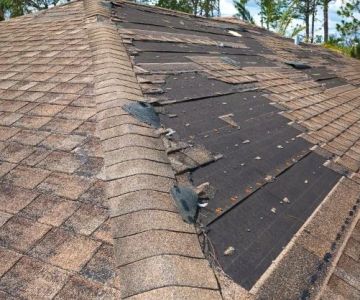
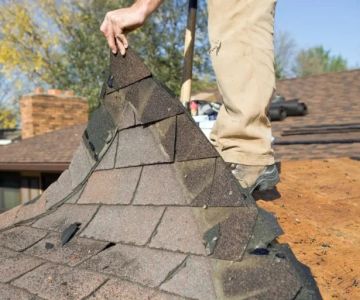
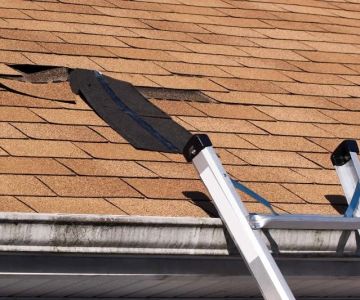
Shingles are one of the most vulnerable parts of your roof. Over time, they can become cracked, curled, or completely missing. If you notice any of these signs, it’s essential to have your roof inspected by a professional to prevent water from infiltrating your home.
2.2 Water Stains on the Ceiling
If you start to notice water stains or damp patches on your ceiling or walls, this is a clear indication that your roof is leaking. Often, these stains appear in the attic, but they can also be visible in other areas of the house, especially after a heavy rainstorm.
2.3 Moss or Algae Growth
While moss and algae are natural organisms, their growth on a roof can signal moisture retention. This can lead to rot and decay if not addressed. It's essential to clean your roof periodically to prevent these issues from worsening.
2.4 Granules in the Gutters
If you find granules (small pieces of shingles) in your gutters, this is a sign that your roof's shingles are deteriorating. Granules help protect shingles from the sun's UV rays, so their presence in the gutters means the shingles may be nearing the end of their lifespan.
3. The Importance of Regular Roof Inspections
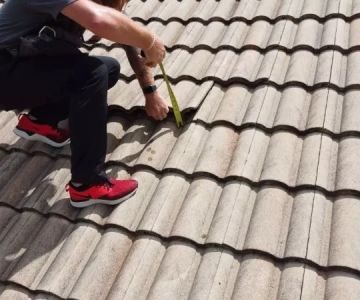
One of the most effective ways to catch roof wear and tear early is through regular roof inspections. Depending on the climate in your area and the type of roof you have, it’s recommended that you inspect your roof at least once or twice a year.
3.1 DIY Inspections
While it’s always a good idea to have a professional roofer assess your roof, you can also do some basic inspections yourself. Look for missing shingles, cracks, or signs of water damage. Be sure to do this inspection after a major storm or seasonal change, as these can accelerate roof wear.
3.2 Professional Inspections
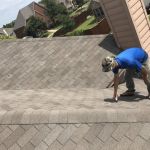
Hiring a professional to conduct a roof inspection is a smart investment. Roofing experts have the tools and knowledge to identify hidden damage that you might miss. They can also spot potential problem areas that may not be noticeable to the untrained eye.
3.3 After Severe Weather
After storms, especially those with heavy rain or strong winds, it’s important to check your roof for any signs of damage. Early detection after bad weather can help prevent long-term issues caused by leaks and water infiltration.
4. How to Prevent Roof Damage and Extend Its Lifespan
Taking proactive steps to protect your roof can significantly extend its lifespan and reduce the risk of costly repairs. Here are some preventative measures to help maintain the integrity of your roof:
4.1 Clean Your Roof Regularly
Leaves, branches, and debris can accumulate on your roof, leading to clogged gutters and moisture buildup. Regular cleaning, at least once or twice a year, will help prevent these issues and keep your roof in good condition.
4.2 Trim Overhanging Trees
Overhanging branches can cause damage to your roof, especially during storms. Regularly trimming trees around your house will prevent branches from scraping the roof or falling and causing damage during high winds.
4.3 Install Gutter Guards
Gutter guards can help prevent debris from clogging your gutters, ensuring that water flows away from your roof and foundation. This will reduce the chances of water damage caused by overflowing gutters.
5. Case Study: A Homeowner's Experience with Early Roof Damage Detection
A couple in Florida recently faced a situation where their roof began to show signs of wear after several years of harsh weather. They noticed water stains on their ceiling after a particularly heavy rainstorm. Upon further inspection, they found missing shingles and granules in the gutters.
Instead of waiting for the problem to worsen, they immediately hired a professional roofer to assess the damage. The roofer identified a few small leaks and replaced the damaged shingles before the issue could spread. This early detection saved them from having to replace the entire roof, ultimately saving them thousands of dollars in repair costs.


 Premier Roofing & Construction Group5.0 (1 reviews)
 Reimagine Roofing4.0 (695 reviews)
 ABC Supply Co. Inc.4.0 (13 reviews)
 Bigelow Home Improvements4.0 (11 reviews)
 Window World of GSV4.0 (304 reviews)
 Scesny Roofing4.0 (215 reviews)
 Siding Waterproofing Techniques for Rainy Regions
 Flat Roof vs Sloped Roof: Pros, Cons & Typical Costs
 Siding Repair for Extreme Climates: Protect Your Home from Cold, Heat, Snow, and Humidity
 Why Regular Roof Maintenance Is Essential for Long-Term Savings
 How to Minimize Roof Noise: Material & Installation Tips
 What to Expect During a Roof Inspection | Total Roofing Hub