
- 1- Introduction: Why Waterproofing is Essential for Siding
- 2- Top Waterproofing Techniques for Siding
- 3- Regular Maintenance for Long-Term Protection
- 4- Best Materials for Waterproof Siding
- 5- When to Call a Professional for Waterproofing
1- Introduction: Why Waterproofing is Essential for Siding
If you live in a region with frequent rainfall, it’s crucial to ensure that your home’s siding is properly waterproofed. Rain can cause significant damage to your siding, leading to mold growth, wood rot, and structural damage over time. Waterproofing your siding is an essential step in maintaining your home’s exterior and protecting it from the elements. In this article, we will explore various waterproofing techniques and materials that can help protect your home in rainy climates.
Universal Contracting Services
TampaHillsborough CountyFlorida
5008 West Linebaugh Avenue Suite #32-34, Tampa, FL 33624, USA
2- Top Waterproofing Techniques for Siding
There are several effective techniques you can use to waterproof your siding. The right method depends on the type of siding you have and the specific needs of your home. Here are some top techniques:
- Waterproof Coatings: Applying a waterproof coating to your siding is one of the most popular methods for preventing water infiltration. These coatings form a protective barrier that repels water and prevents damage to the siding material.
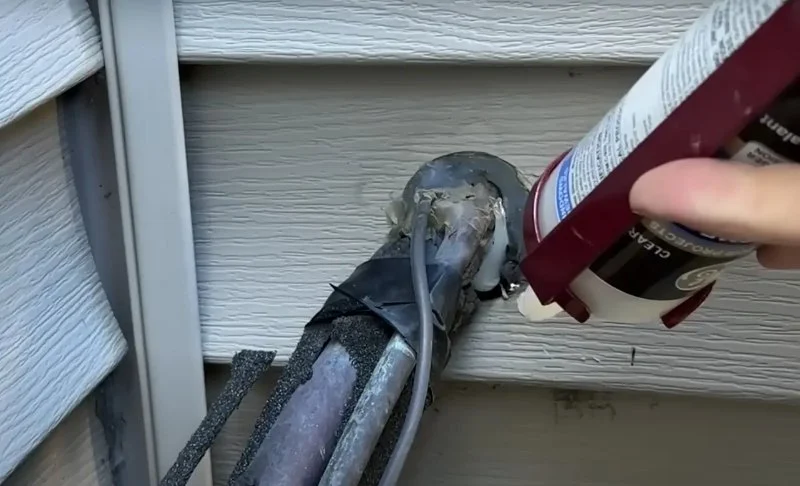
- Caulking and Sealing: Sealing the joints and seams around your siding with high-quality caulk can prevent water from seeping behind the panels. Focus on areas where the siding meets windows, doors, and trim.
- Flashing Installation: Flashing is a metal barrier that directs water away from vulnerable areas of the siding, such as joints and corners. Properly installed flashing helps prevent water from pooling and seeping behind the siding.
- Vapor Barriers: Installing a vapor barrier beneath the siding can help prevent moisture buildup inside the walls. This is especially important for homes in areas with high humidity or frequent rainfall.
3- Regular Maintenance for Long-Term Protection
Waterproofing your siding is not a one-time task. To maintain the protective barrier and ensure the longevity of your siding, regular maintenance is essential. Here are a few maintenance tips:
- Inspect Regularly: Check your siding for signs of damage, such as cracks, chips, or missing caulk. Regular inspections can help identify areas that need attention before they become a major issue.
- Clean the Siding: Keep your siding clean by removing dirt, leaves, and debris that can trap moisture. Use a gentle pressure washer or hose to rinse the surface, but avoid using high pressure, which can damage the waterproof coating.
- Reapply Waterproofing Coatings: Depending on the type of coating you used, you may need to reapply it every few years. Be sure to follow the manufacturer’s recommendations for maintenance.
4- Best Materials for Waterproof Siding
The material of your siding plays a crucial role in how effective waterproofing will be. Some materials are naturally more resistant to water damage than others, but all types can benefit from additional waterproofing treatments. Here are some of the best materials for waterproof siding:
- Vinyl Siding: Vinyl is a popular choice due to its water resistance and low maintenance. It doesn’t absorb water, but you can enhance its protection with waterproof coatings.
- Fiber Cement Siding: Fiber cement is durable and moisture-resistant, making it an excellent choice for rainy regions. It can be painted with a waterproof sealant to increase its resistance.
- Wood Siding: While wood siding looks great, it’s more prone to water damage. It’s important to use a high-quality sealant and to maintain it regularly to prevent rot and mold.
- Metal Siding: Metal siding, such as aluminum or steel, is naturally resistant to water damage. However, regular maintenance, including sealing the joints, is still important to keep it performing at its best.
5- When to Call a Professional for Waterproofing
While many waterproofing tasks can be completed as DIY projects, there are times when it’s best to call in a professional. Here are some situations where professional help is recommended:
- Complex Siding Types: If you have a unique or complex siding material, such as custom wood panels or metal cladding, a professional can ensure the waterproofing is applied correctly.
- Extensive Damage: If your siding has significant wear, rot, or other damage, a professional can assess the situation and recommend the best course of action to restore its waterproofing capabilities.
- Large Homes: For larger homes or multi-story buildings, it’s safer and more effective to hire professionals with the right tools and experience to handle the job.
Waterproofing your siding is a crucial step in protecting your home from water damage, especially in regions with heavy rainfall. By using the right techniques, materials, and regular maintenance, you can extend the lifespan of your siding and avoid costly repairs. For professional assistance, visit Pro Found Roofing for expert waterproofing services and advice.
 Marc Joseph remodeling5.0 (1 reviews)
 PRS Roofing Inc5.0 (9 reviews)
 KAPS CONSTRUCTION4.0 (5 reviews)
 Marshall Exteriors, LLC4.0 (213 reviews)
 S.W.A.T. Roofing & Consulting4.0 (46 reviews)
 MATFI RENOVATIONS LLC5.0 (23 reviews)
 Siding Material Fire Ratings: What’s Required & What to Choose
 Roof Talk: Common Terminology Every Homeowner Should Know
 How Often Should You Replace Your Home's Siding? Expert Tips on Siding Longevity
 The Average Lifespan of Asphalt Shingle Roofs: How Long Do They Last?
 How to Choose a Reliable Roofing Contractor Near You | Top Tips and Questions
 Should I Repair or Replace My Roof? – Expert Guide for U.S. Homeowners