
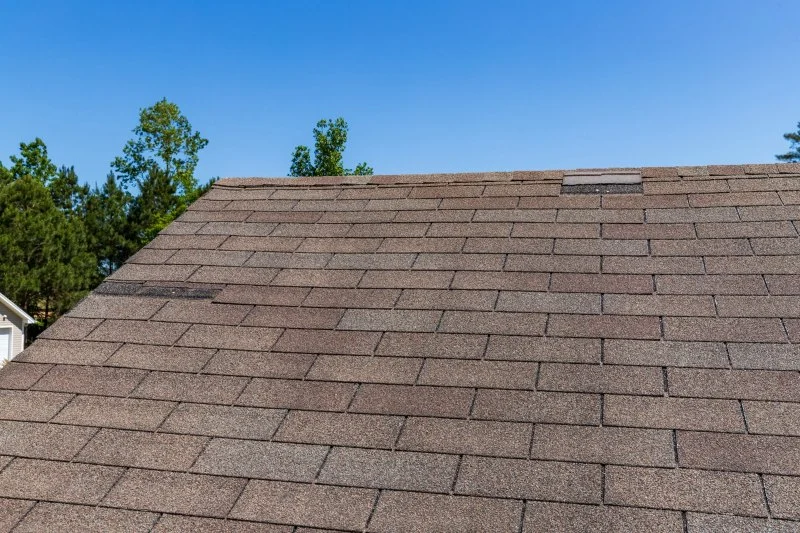
1- Understanding Roof Shingle Granules
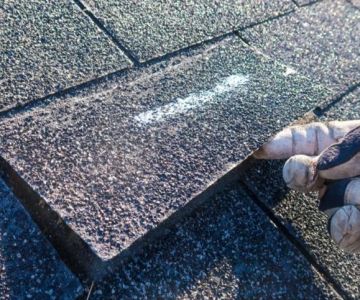
Roof shingles are designed to protect your home from the elements. The granules on asphalt shingles play a crucial role in both protecting the shingles from UV damage and enhancing the aesthetics of the roof. These granules are made of small particles, often mineral or ceramic-based, that are adhered to the surface of the shingles during the manufacturing process. Over time, however, these granules can become loose, leading to problems like increased wear and tear, reduced protection, and premature aging of your roof.

Apex Roofing Co
Redondo BeachLos Angeles CountyCalifornia
575 Mary Ann Dr #3, Redondo Beach, CA 90278, USA
2- What Causes Roof Shingles to Lose Granules?
Granules are essential for the longevity of your roof, but several factors can contribute to their loss. Understanding the root causes is the first step in preventing further damage.
2.1- Age of the Shingles
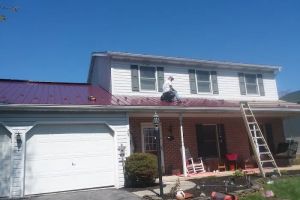
As shingles age, their protective coating wears down. The granules on the surface may begin to loosen, either due to weather exposure or the natural degradation of the materials. Older roofs, especially those that have been exposed to the elements for 15-20 years, are more likely to lose granules. This is a natural part of the shingle’s life cycle, but it can reduce the roof’s ability to protect your home from water, UV rays, and extreme temperatures.
2.2- Weather Conditions
Severe weather conditions like hailstorms, high winds, and heavy rainfall can accelerate the loss of granules. Hailstones, in particular, can damage the shingles, knocking loose the granules and leaving the shingles vulnerable to further degradation. Windstorms can also lift the granules off the surface, especially in areas where shingles are already weak or aging.
2.3- Improper Installation
Sometimes, the problem can stem from the way the shingles were installed. If the shingles were not properly sealed or if they were nailed too tightly, the granules may not adhere properly, leading to premature granule loss. Additionally, shingles that were not aligned correctly during installation may experience uneven pressure, causing the granules to loosen over time.
2.4- Poor Ventilation
Inadequate ventilation in the attic can cause excessive heat buildup, which can damage the shingles and cause the granules to loosen. When your roof is exposed to high temperatures without proper airflow, the asphalt can soften, making the granules more prone to falling off. It's important to maintain proper ventilation to avoid these issues and ensure that the shingles last longer.
2.5- Chemical Exposure
Certain chemicals, such as those used in cleaning products or pollutants from nearby industries, can also contribute to granule loss. These chemicals can break down the protective coating of the shingles, causing the granules to dislodge. Regularly cleaning your roof to remove debris can help reduce the impact of these chemicals.
3- How to Prevent Granule Loss on Your Roof
Preventing granule loss is essential for extending the life of your roof and ensuring it provides adequate protection for your home. Here are some preventive measures to help you protect your roof shingles:
3.1- Regular Roof Inspections
Routine roof inspections are crucial for detecting early signs of granule loss and other roofing issues. A professional inspection can identify problem areas like loose shingles or damaged granules, allowing for timely repairs before they become more serious. Inspect your roof at least once a year, especially after severe weather events.
3.2- Maintain Proper Roof Ventilation
Proper attic ventilation is key to preventing heat buildup and ensuring your roof remains in good condition. Ensure your attic has enough vents to allow hot air to escape, reducing the risk of heat damage to your shingles. Consult a roofing expert if you’re unsure about the ventilation in your attic.
3.3- Replace Aging Shingles
Shingles naturally degrade over time, but you can slow this process by replacing older shingles before they become a significant problem. If you notice that your roof has lost many granules or shows visible signs of damage, it may be time to consider replacing the affected shingles. This will prevent further granule loss and keep your roof functioning properly.
3.4- Professional Roof Installation
If you are installing a new roof, ensure that you hire a reputable roofing contractor. Proper installation is essential for preventing future granule loss. The shingles should be applied correctly, with attention to proper alignment, sealing, and the right amount of nails. This will help maintain the integrity of your roof and its granule protection.
3.5- Protect Your Roof from Hail
While it’s impossible to prevent hailstorms entirely, there are steps you can take to protect your roof during severe weather. Consider installing a roof with impact-resistant shingles, which are designed to withstand hail damage. Additionally, ensure that your roof is regularly cleaned of debris to prevent further damage from wind and rain.
4- What to Do If Your Roof Has Lost Granules
If you’ve noticed that your roof shingles have lost granules, here’s what you can do:
4.1- Assess the Damage
Check the affected areas of the roof to assess the extent of the granule loss. If the shingles are just losing a few granules in localized areas, you may not need to replace them immediately. However, if the damage is widespread or if the shingles are missing large patches of granules, replacement may be necessary.
4.2- Consult a Roofing Professional
If you're unsure about the severity of the damage or how to fix it, consult a roofing professional. A qualified contractor can inspect your roof and provide guidance on the best course of action, whether it's repair or replacement.
4.3- Plan for Repairs
Depending on the extent of the granule loss, you may need to replace the damaged shingles or entire sections of the roof. If the roof is still relatively young, a repair may suffice. However, older roofs with significant granule loss may require more extensive replacement. Schedule repairs as soon as possible to prevent further damage to your home.
5- Where to Find Roofing Supplies for Granule Loss Repairs
If you need roofing supplies for granule loss repairs, visit Total Roofing Hub for top-quality products, including replacement shingles, roofing adhesives, and granule protection materials. Our expert team can guide you in selecting the right tools and supplies to restore your roof to its original condition.

 Valdez Family Remodeling0.0 (0 reviews)
 Beinert Roofing & Restoration, LLC4.0 (39 reviews)
 BT Construction Llc0.0 (0 reviews)
 J & V Roofing & Home0.0 (0 reviews)
 Mighty Dog Roofing of Greater Rockdale County5.0 (41 reviews)
 Extreme Roofing Inc3.0 (6 reviews)
 Roof Snow Guards: Essential for Winter Protection or Just an Extra?
 Should I Repair or Replace My Roof? Key Considerations for Homeowners
 Best Roof Maintenance Tools for Homeowners
 Best Roofing Underlayment for Homes with Ice & Snow Loads
 Roof Safety Tips: Working with Heights, Ladders & Fall Protection
 The Best Roofing Materials for Cold Climates: Durable, Insulating, and Efficient Options