- why-heavy-rain-damages-roofs
- early-warning-signs-of-roof-problems
- importance-of-roof-drainage
- preventive-roof-maintenance
- roof-materials-that-handle-heavy-rain
- real-homeowner-experience
- seasonal-roof-preparation
- roofing-resources-and-support
1. Why Heavy Rainfall Can Damage Your Roof
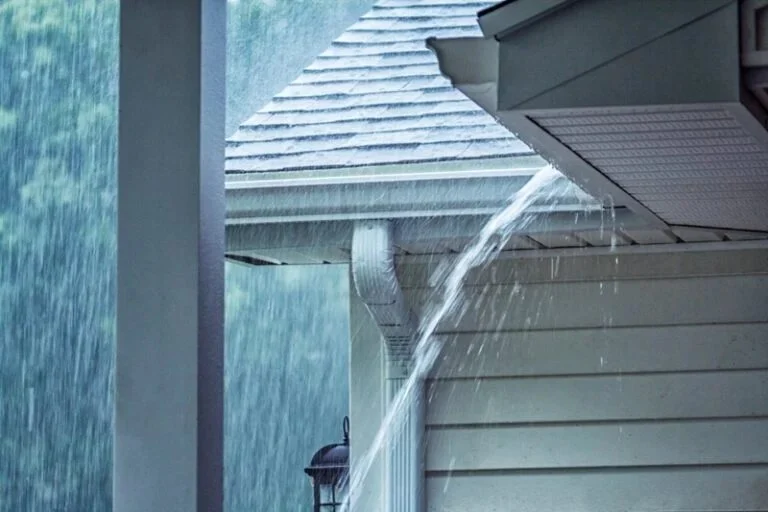
Severe rainstorms are becoming more common in many parts of the United States, and homeowners are increasingly searching for How to Protect Your Roof from Heavy Rainfall. While roofs are designed to withstand weather conditions, prolonged or intense rain can expose weaknesses in roofing systems.
Water is one of the most persistent forces affecting a home. Even small cracks, damaged shingles, or blocked drainage systems can allow water to enter the structure over time.

Richie's Roofing Llc
New FairfieldWestern Connecticut Planning RegionConnecticut
7 Woods Way, New Fairfield, CT 06812, USA
1.1 The Hidden Risks of Water Intrusion
When rainwater seeps under shingles or roofing materials, it can slowly damage wooden structures, insulation, and ceilings. These problems may remain unnoticed until visible leaks appear indoors.
Hayes Brothers Roofers LLC
Round RockWilliamson CountyTexas
2120 S I-35 Frontage Rd, Round Rock, TX 78681, USA
1.2 Why Older Roofs Are More Vulnerable
Roofs that are more than 15 to 20 years old often show signs of wear such as cracked shingles, weakened flashing, or deteriorating sealants, making them more susceptible to rain damage.
2. Early Warning Signs of Potential Roof Issues
2.1 Water Stains on Ceilings
Brown or yellow stains on ceilings often indicate that water is entering the roof structure.
2.2 Missing or Damaged Shingles
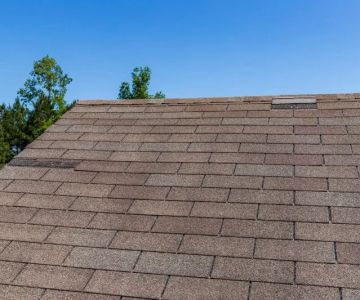
Shingles that are curled, cracked, or missing can create openings where rainwater can penetrate.
2.3 Mold or Musty Odors
Excess moisture trapped in attic spaces can create conditions that encourage mold growth.
3. The Importance of Proper Roof Drainage
3.1 Gutters and Downspouts
Gutters play a vital role in directing rainwater away from the roof and foundation. When gutters become clogged with leaves or debris, water may overflow and seep into roofing materials.
3.2 Roof Slope and Water Flow
The slope of a roof helps water drain efficiently. Flat or low-slope roofs require special drainage solutions to prevent standing water.
3.3 Regular Cleaning of Drainage Systems
Cleaning gutters and downspouts several times a year can significantly reduce the risk of water damage during heavy rainfall.
4. Preventive Roof Maintenance Strategies
4.1 Routine Roof Inspections
Regular inspections allow homeowners to detect minor issues before they turn into major problems.
4.2 Repairing Damaged Flashing
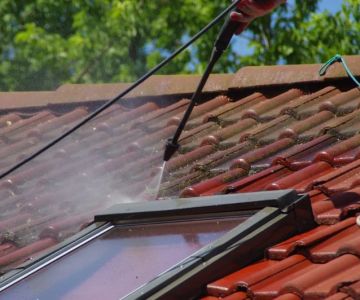
Flashing around chimneys, vents, and skylights prevents water from entering vulnerable areas of the roof.
4.3 Sealing Small Cracks
Roof sealants can help protect minor cracks or gaps where water might otherwise enter.
5. Roofing Materials That Perform Well in Heavy Rain
5.1 Asphalt Shingles
Asphalt shingles are widely used in American homes because they provide reliable water resistance and durability.
5.2 Metal Roofing
Metal roofs are particularly effective at shedding water quickly due to their smooth surfaces and strong structural integrity.
5.3 Tile and Composite Roofing
Tile and composite roofing materials can also provide strong protection against rain when properly installed.
6. A Real Homeowner Experience with Rain Damage
A homeowner in Florida once shared how repeated summer rainstorms exposed weaknesses in their roof. At first, the issue seemed minor—a small drip during heavy storms.
However, after several weeks of continuous rainfall, the leak worsened and caused noticeable ceiling damage. A professional inspection later revealed that clogged gutters and damaged flashing were the main causes.
After repairing the flashing and improving the drainage system, the homeowner reported that the roof handled the next rainy season without problems.
7. Preparing Your Roof Before Rainy Seasons
7.1 Inspect the Roof Before Storm Season
Spring and early summer are ideal times to inspect roofing systems before heavy rainstorms begin.
7.2 Trim Nearby Tree Branches
Branches hanging over the roof can drop debris that blocks gutters or damages roofing materials during storms.
7.3 Reinforce Weak Areas
Areas around skylights, vents, and chimneys should be checked carefully since they are more vulnerable to leaks.
8. Roofing Resources and Helpful Guidance
Learning How to Protect Your Roof from Heavy Rainfall can help homeowners avoid costly structural repairs and extend the life of their roofing system.
Reliable roofing supplies, maintenance tools, and professional advice can make it easier to keep your roof prepared for severe weather. Homeowners looking for helpful roofing resources, product information, and maintenance guidance can explore available solutions through Total Roofing Hub.
By maintaining proper drainage, performing regular inspections, and addressing minor issues early, homeowners can ensure that their roofs remain strong and resilient during even the heaviest rainstorms.


 Shamrock Contracting - NY Roofing Experts5.0 (54 reviews)
 Clayson Construction4.0 (17 reviews)
 Professional Roofing5.0 (1 reviews)
 Scott Keighley Construction Inc.5.0 (1 reviews)
 Siding Builders, Inc.5.0 (1 reviews)
 E.W. Cole Home Improvements5.0 (6 reviews)
 What to Know About Roof Replacement for Older Properties
 Siding vs Stucco: Which Is Better for Your Home?
 Siding Advice for Homeowners in Hurricane-Prone Regions
 The Environmental Benefits of a Cool Roof: Reduce Heat and Energy Costs
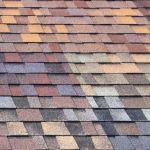 How to Match Roof Shingles with Your Siding Color: A Complete Guide
 Roof Re-Roofs or Layovers: Pros, Cons & Codes Explained