How to Detect Roofing Problems Before They Become Serious
- Importance of Roof Maintenance
- Early Signs of Roofing Damage
- Roof Inspection Tips for Homeowners
- Common Roofing Issues to Watch For
- When to Call a Professional Roofer
Importance of Roof Maintenance
Your roof plays a vital role in protecting your home from the elements. It shields you from rain, snow, wind, and heat, and it contributes significantly to your home's overall structural integrity. However, many homeowners neglect their roofs until a major issue arises. Regular roof maintenance and early detection of problems can save you from costly repairs and extend the life of your roof.
PRO MASTER CONSTRUCTION NJ LLC
Saddle BrookBergen CountyNew Jersey
285 3rd St APT 1B, Saddle Brook, NJ 07663, USA
Early Signs of Roofing Damage
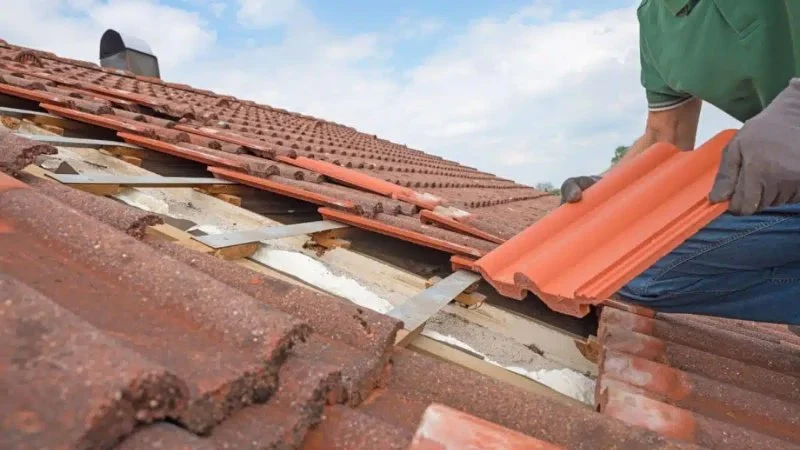
Roofing issues don’t always appear suddenly; they often develop gradually. Being proactive in spotting the early signs of roofing damage is key to preventing costly repairs down the road. Here are some common signs to look out for:
Clouse Home Maintenance & Construction
ElliottsburgPerry CountyPennsylvania
201 Clouse Ln, Elliottsburg, PA 17024, USA
1. Leaks and Stains on the Ceiling
If you notice water stains on your ceiling or walls, it’s a strong indicator that your roof may have a leak. Even a small amount of water can cause significant damage if left untreated, leading to mold growth and structural issues.
2. Missing or Damaged Shingles
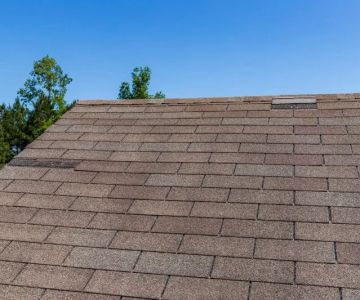
Shingles that are missing, cracked, curled, or damaged are a clear sign that your roof may need attention. Over time, exposure to the elements can cause shingles to deteriorate, making your roof vulnerable to leaks and other issues.
3. Granules in the Gutter
Shingle granules in your gutters can indicate that your shingles are deteriorating. These granules protect your roof from UV rays, so their loss can lead to further damage and reduced roof lifespan.
4. Sagging Roof Deck
A sagging roof deck is a serious concern. It may indicate structural damage or excess moisture accumulation. If you notice any sagging in your roof, it’s essential to have it inspected immediately to prevent further damage.
Roof Inspection Tips for Homeowners
Regular roof inspections are key to maintaining the integrity of your roof. While it’s recommended to hire a professional roofer for a thorough inspection, here are some tips for homeowners who want to perform basic roof checks themselves:
1. Inspect from the Ground
Start by inspecting your roof from the ground. Look for missing shingles, moss, algae, or signs of wear. Use binoculars for a closer look, but avoid climbing onto the roof unless absolutely necessary. This will help prevent accidents.
2. Check the Attic
Inspect your attic for any signs of water damage, such as leaks or mold growth. Check for daylight coming through the roof boards, as this could indicate holes in the roof. This is an often-overlooked area that can provide valuable insights into the roof’s condition.
3. Examine Flashing and Seals
Check the flashing around chimneys, vents, and skylights. Flashing helps seal joints and prevent water from entering. Look for any gaps or rust, which could allow water infiltration and lead to further damage.
Common Roofing Issues to Watch For
Several common roofing problems can escalate if not addressed early. Recognizing these issues early can save you time and money in the long run:
1. Roof Ventilation Problems
Poor ventilation can cause excessive heat and moisture to build up in your attic, leading to mold, mildew, and roof deterioration. Ensure that your roof has proper ventilation to maintain airflow and prevent heat buildup.
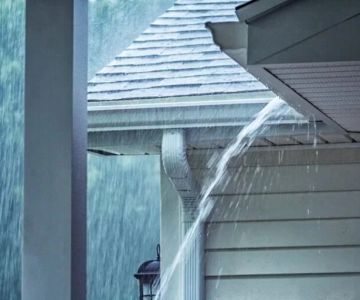
2. Clogged Gutters
Gutters that are clogged with leaves and debris can prevent water from flowing off your roof properly. This can lead to water pooling on the roof, increasing the risk of leaks and water damage. Regularly clean your gutters to ensure proper drainage.
3. Ice Dams
In colder climates, ice dams can form along the edges of the roof during winter. These dams can cause water to back up under shingles, leading to leaks and significant damage. Proper insulation and ventilation can help prevent ice dams from forming.
When to Call a Professional Roofer
While DIY inspections are important, there are times when it’s best to call a professional roofer. If you notice any of the following issues, it's time to seek expert help:
1. Structural Damage
If you notice sagging, warping, or signs of severe damage to the structure of your roof, it’s critical to call a professional immediately. Structural issues can lead to significant risks, and they require expert evaluation and repair.
2. Major Leaks
If you have a large leak or widespread water damage, it’s best to call a roofer. Leaks can spread quickly, and a professional can assess the extent of the damage and provide a reliable solution.
3. Complex Roof Issues
Some roofing problems, such as ventilation issues or problems with flashing, can be complex and difficult to fix without professional experience. Hiring a licensed roofer will ensure that these issues are addressed safely and effectively.
By being proactive about roof maintenance and detecting problems early, you can prevent costly repairs and ensure your roof remains in good condition. For high-quality roofing materials, tools, and expert advice, visit Total Roofing Hub for the best products and services tailored to your roofing needs.
 Shamrock Contracting - NY Roofing Experts5.0 (54 reviews)
 Clayson Construction4.0 (17 reviews)
 Professional Roofing5.0 (1 reviews)
 Scott Keighley Construction Inc.5.0 (1 reviews)
 Siding Builders, Inc.5.0 (1 reviews)
 E.W. Cole Home Improvements5.0 (6 reviews)
 What to Know About Roof Replacement for Older Properties
 Siding vs Stucco: Which Is Better for Your Home?
 Siding Advice for Homeowners in Hurricane-Prone Regions
 The Environmental Benefits of a Cool Roof: Reduce Heat and Energy Costs
 How to Match Roof Shingles with Your Siding Color: A Complete Guide
 Roof Re-Roofs or Layovers: Pros, Cons & Codes Explained