- Why Get a Roof Inspection?
- The Roof Inspection Process
- Common Issues Identified in Roof Inspections
- How Often Should You Inspect Your Roof?
- How to Prepare for a Roof Inspection
Why Get a Roof Inspection?
Roof inspections are an essential part of home maintenance. They can help identify potential problems early, preventing expensive repairs down the line. Whether you're purchasing a new home, preparing to sell, or just keeping your property in good shape, understanding the importance of a roof inspection is key. A well-maintained roof ensures safety, prevents water damage, and can increase the value of your home.
META Painting Contractors
JacksonvilleDuval CountyFlorida
13475 Atlantic Blvd, Jacksonville, FL 32225, USA
The Roof Inspection Process
When a professional roofer inspects your roof, they follow a detailed process to assess its overall condition. Here's what you can expect:

1. Exterior Evaluation
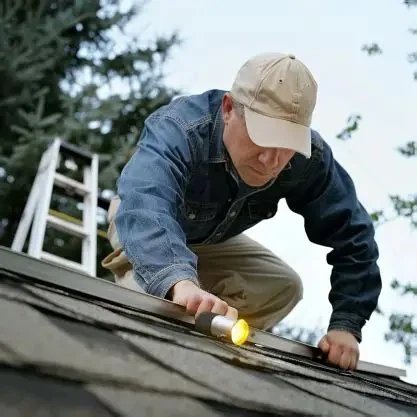
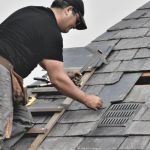
The roofer will start by checking the roof's exterior, looking for signs of wear and tear such as cracked shingles, missing tiles, or damaged flashing. They'll also examine the roof's slope and ventilation system, ensuring everything is functioning as it should.
2. Interior Check
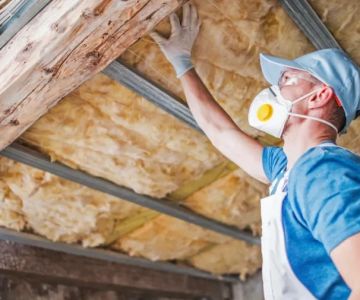
Next, the roofer will look inside your attic or the top floor of your home. They will check for signs of water leaks, mold, or poor insulation. These issues could indicate underlying problems with the roof's integrity.
3. Detailed Report
Once the inspection is complete, the roofer will provide you with a report outlining the condition of your roof. This will include any issues found, potential repairs needed, and recommendations for maintenance. If necessary, the roofer will also provide an estimate for repairs.
Common Issues Identified in Roof Inspections
Roof inspections often uncover various issues that require attention. Some of the most common problems include:
1. Leaks
Water damage is one of the most significant issues that can arise from a damaged roof. Leaks can occur around flashing, vents, or chimneys, causing long-term damage to the structure of your home.
2. Poor Ventilation
A poorly ventilated roof can lead to heat buildup in the attic, which may cause damage to the roof's materials and lead to higher cooling costs in the summer. Roof inspections often check for proper ventilation to avoid these problems.
3. Damaged Shingles or Tiles
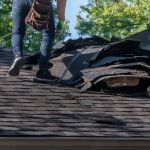
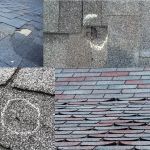
Over time, shingles or tiles can become cracked, curled, or broken due to weather conditions. If left unchecked, these issues can lead to water infiltration and other serious damage.
How Often Should You Inspect Your Roof?
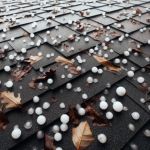
It’s recommended that you have a roof inspection at least once a year. However, if you live in an area prone to harsh weather conditions like storms, hail, or heavy snowfall, more frequent inspections may be necessary. Additionally, it’s a good idea to inspect your roof after major weather events to catch any potential damage early.
How to Prepare for a Roof Inspection
While your roofer will handle most of the inspection, there are a few things you can do to ensure the process goes smoothly:
1. Clear the Roof and Yard
Remove any debris or objects that may obstruct the roofer's access to the roof. This includes tree branches, leaves, or other items that may be on the roof or in the yard.
2. Make the Attic Accessible
If the roofer needs to access your attic for an interior inspection, make sure it’s clean and accessible. This will help the roofer quickly assess any issues.
3. Ask Questions
Don’t hesitate to ask the roofer questions about what they’re looking for during the inspection. Understanding the process can help you make informed decisions about necessary repairs or maintenance.
Conclusion
Regular roof inspections are a key part of homeownership. By understanding what to expect during a roof inspection and taking steps to prepare, you can ensure that your roof stays in top condition. For professional roof inspections and quality roofing services, visit Total Roofing Hub to find the best solutions for your home.
 Skyline Designs Roofing5.0 (99 reviews)
 Perfect Roofing Installations4.0 (60 reviews)
 Dog Tags Construction LLC4.0 (16 reviews)
 Gutter Shutter of Central Maryland5.0 (9 reviews)
 Sam Cline Handyman Services4.0 (37 reviews)
 Paramount Builders Inc.4.0 (302 reviews)
 Should I Repair or Replace My Roof?
 Top 10 Signs Your Roof Needs Immediate Repair Before It’s Too Late
 The Pros and Cons of Vinyl Siding: Is It the Right Choice for Your Home?
 How to Choose a Reliable Roofing Contractor Near You – Expert Tips
 Top 10 Signs Your Roof Needs Immediate Repair You Shouldn’t Ignore
 How to Spot Hail Damage on Your Roof | Quick Guide for Homeowners