- understanding-climate-impact-on-roofing
- roofing-for-hot-and-sunny-climates
- roofing-for-cold-and-snowy-regions
- roofing-for-rainy-and-humid-areas
- roofing-for-coastal-and-windy-climates
- long-term-roofing-maintenance-strategies
1. Understanding Climate Impact on Roofing
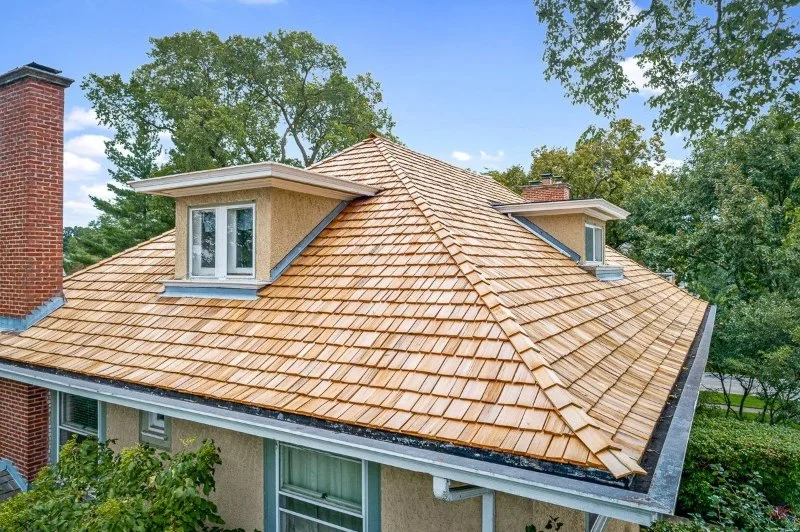
Choosing the right roofing system is more than just selecting a material that looks attractive. Climate plays a major role in determining how long a roof will last and how well it protects a home. When homeowners research how to choose roofing materials for different climates, they quickly realize that what works in Arizona may not perform well in Minnesota.
Roofing materials respond differently to heat, moisture, wind, and snow loads. For example, intense sunlight can cause certain shingles to deteriorate faster, while heavy snowfall can stress lightweight materials. Because of these factors, roofing professionals always evaluate regional weather patterns before recommending materials.
1.1 Why Climate Matters in Roofing Decisions
The lifespan and durability of roofing materials are directly influenced by environmental conditions.
1. Temperature fluctuations cause expansion and contraction in roofing materials.
2. Humidity and rainfall increase the risk of mold, algae, and water intrusion.
3. Strong winds and storms can loosen improperly selected roofing systems.
Many contractors across the United States emphasize that choosing climate-appropriate roofing materials can extend a roof's lifespan by 10–20 years.
1.2 Real Homeowner Experience
A homeowner in Phoenix once shared online that their original asphalt roof deteriorated in just 12 years due to constant heat exposure. After switching to reflective metal roofing designed for desert climates, their cooling costs dropped significantly while improving roof durability. Stories like this highlight how climate-aware decisions can make a meaningful difference.
2. Roofing for Hot and Sunny Climates
Hot regions such as Arizona, Nevada, Texas, and Southern California require roofing materials that resist extreme heat and intense ultraviolet exposure.
2.1 Heat-Resistant Roofing Options
Several roofing materials perform well in sunny climates:
1. Metal roofing reflects solar radiation and reduces heat absorption.
2. Clay or concrete tiles provide natural insulation and airflow.
3. Cool roof shingles with reflective coatings help lower attic temperatures.
Metal roofing has become increasingly popular in hot states because it reflects sunlight rather than absorbing it.
2.2 Energy Efficiency Benefits
Reflective roofing materials can significantly lower indoor temperatures. In some homes, cool roofing systems reduce air conditioning demand by up to 20 percent during peak summer months.
Homeowners comparing different materials often consult Total Roofing Hub to explore roofing products specifically designed for high-temperature climates.
3. Roofing for Cold and Snowy Regions
In northern states such as Minnesota, Michigan, and Colorado, roofs must withstand heavy snowfall, freezing temperatures, and ice buildup.
3.1 Roofing Materials Built for Snow Loads
Roofs in cold climates require materials capable of handling weight and preventing moisture penetration.
1. Asphalt shingles remain popular due to affordability and durability.
2. Metal roofing allows snow to slide off easily.
3. Synthetic slate provides durability without excessive structural weight.
Metal roofing is particularly effective because its smooth surface prevents snow accumulation.
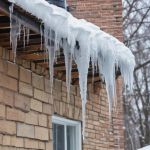
3.2 Ice Dam Prevention
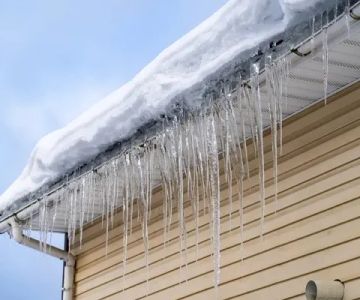
Ice dams occur when snow melts on warmer roof areas and refreezes near the edges. Proper insulation, ventilation, and durable roofing materials are essential for preventing this issue.
Contractors frequently recommend pairing quality roofing materials with upgraded attic ventilation systems to reduce ice-related damage.
4. Roofing for Rainy and Humid Areas
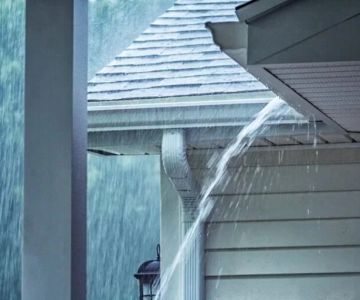
Regions like the Pacific Northwest and parts of the Southeast experience frequent rain and high humidity. In these climates, water resistance becomes the top priority.
4.1 Moisture-Resistant Roofing Materials
Some roofing materials perform better in wet environments:
1. Metal roofs resist water damage and corrosion.
2. Asphalt shingles with algae-resistant coatings prevent dark streaks.
3. Composite roofing materials resist moisture absorption.
Humidity can encourage algae growth on roofing surfaces, which is why algae-resistant shingles have become increasingly common.
4.2 Importance of Proper Drainage
Roofing design matters just as much as material selection. Steeper roof slopes improve water drainage and reduce long-term moisture exposure.
Homeowners in rainy areas often combine durable materials with enhanced gutter systems to prevent standing water on roof surfaces.
5. Roofing for Coastal and Windy Climates
Homes located near coastlines face unique challenges, including salt air, strong winds, and frequent storms.
5.1 Wind-Resistant Roofing Choices
Roofing systems in these areas must withstand powerful gusts and occasional hurricanes.
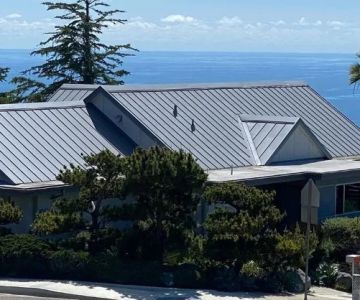
1. Standing seam metal roofs offer exceptional wind resistance.
2. Impact-resistant asphalt shingles provide strong fastening systems.
3. Concrete tile roofs add weight that helps resist uplift during storms.
Modern building codes in hurricane-prone regions often require roofing materials tested for high wind ratings.
5.2 Protection Against Salt Corrosion
Coastal environments expose roofs to salt particles carried by ocean air. Over time, salt can accelerate corrosion on certain materials.
Aluminum and specially coated metal roofs perform better in these environments compared to untreated steel materials.
When evaluating these options, homeowners frequently explore materials and installation guidance through Total Roofing Hub to find solutions suited for coastal weather conditions.
6. Long-Term Roofing Maintenance Strategies
Even the best roofing materials require regular maintenance to perform well over time. Climate-specific maintenance routines can prevent small issues from turning into major repairs.
6.1 Seasonal Inspection Practices
Professional roofers often recommend checking roofs twice per year.
1. Inspect shingles or panels for damage after severe storms.
2. Remove debris that may trap moisture.
3. Check flashing around chimneys and vents.
Early detection of small issues can significantly extend the lifespan of a roofing system.
6.2 Investing in Quality Materials
Although premium roofing materials may cost more initially, they often provide better durability and energy efficiency over time. Many homeowners find that investing in climate-appropriate roofing materials reduces long-term maintenance costs.
Whether building a new home or replacing an aging roof, understanding how to choose roofing materials for different climates helps homeowners make smarter, more durable decisions that protect their homes for decades.
 Landmark Exteriors Inc4.0 (7 reviews)
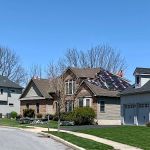 Premier Siding & Roofing4.0 (14 reviews)
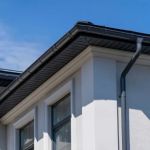 Gutter Installation Services5.0 (2 reviews)
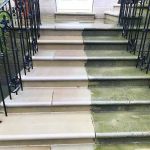 Richies Pro Wash5.0 (15 reviews)
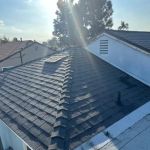 All About Roof Pomona5.0 (1 reviews)
 Blue Angels Roofing4.0 (139 reviews)
 How to Prevent and Fix Ice Dams on Your Roof
 How to Protect Your Roof from Long-Term Wear and Tear
 How Often Should You Replace Your Home's Siding?
 Exterior Trim Maintenance: Roof Eaves, Fascia, Soffits, & Siding Edges – Expert Tips for Homeowners
 How to Budget for a Roof Replacement Project | Expert Tips
 What Homeowners Should Know About Roofing Nails & Fasteners