1. Understanding the Cost of a Roof Replacement
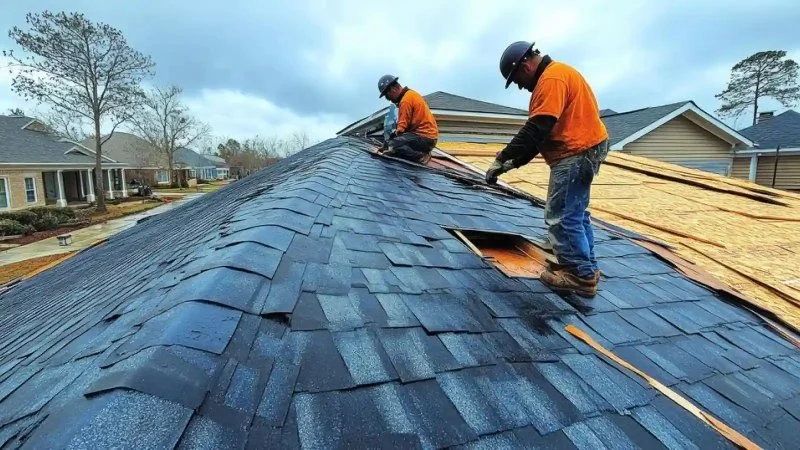
Replacing a roof is a significant investment that can vary widely depending on various factors. Understanding the cost involved is essential for any homeowner planning a roof replacement project. The overall price can be influenced by the type of roofing material, the size of the roof, labor costs, and any additional repairs needed. A well-planned budget will ensure that you can complete the project without unexpected financial stress.
2. Key Factors That Affect Roof Replacement Costs
Before diving into budgeting for a roof replacement, it’s important to understand the various factors that can affect the cost of the project. By knowing these details, you can make informed decisions and better estimate the costs involved.
1. Roofing Materials
The type of roofing material you choose will have the biggest impact on the overall cost of the project. Asphalt shingles are one of the most affordable options, while materials like slate, tile, or metal roofs can be much more expensive. While premium materials can last longer and offer greater aesthetic appeal, they come with a higher upfront cost.
2. Roof Size and Pitch
The size of your roof plays a significant role in determining the cost of a roof replacement. Larger roofs will require more materials and labor. Additionally, the pitch (steepness) of your roof can affect labor costs as well. Steep roofs require more safety precautions and specialized equipment, which can increase the labor cost.
3. Labor Costs
Labor costs will vary depending on your location and the complexity of the job. Hiring experienced roofing contractors may come with a higher price tag, but their expertise can ensure that the job is done properly. Always get multiple estimates from different contractors to get the best deal without compromising on quality.
4. Roof Condition and Additional Repairs
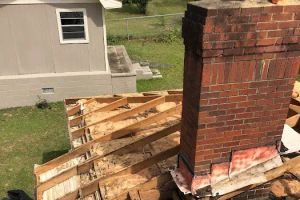
If your roof has underlying damage, such as rot, leaks, or mold, it may need additional repairs before the new roof can be installed. These repairs can add unexpected costs to your project. It’s important to factor in the potential for repairs when planning your roofing budget.
3. How to Create a Budget for Roof Replacement
Once you have an understanding of the key cost factors, it’s time to start creating a budget for your roof replacement project. Here are some essential steps to follow:
1. Get Multiple Estimates
Start by obtaining at least three estimates from reputable roofing contractors. Each estimate should include a detailed breakdown of costs, including labor, materials, and any additional charges. Comparing these estimates will give you a better sense of the average cost in your area and help you make an informed decision.
2. Factor in Hidden Costs
When budgeting for a roof replacement, always account for potential hidden costs, such as disposal fees, permits, and unexpected repairs. Ask your contractor about these possible extra charges upfront so you aren’t caught off guard later.
3. Prioritize Essential Repairs
If your roof is in poor condition and requires extensive repairs, prioritize the most important fixes first. You may need to make trade-offs between aesthetics and functionality, depending on your budget. For example, if you can't afford a high-end roofing material, consider using more affordable options until your budget allows for future upgrades.
4. Plan for Emergency Repairs
While you may not expect an emergency, it’s always wise to set aside 10-15% of your total budget for unforeseen issues that may arise during the roof replacement. This will help prevent delays and keep your project on track, even if unexpected problems pop up.
4. Financing Options for Roof Replacement
If you’re unable to cover the entire cost of the roof replacement upfront, there are several financing options available to help spread out the costs. Many roofing contractors offer financing plans, or you can consider a home improvement loan, personal loan, or a line of credit to fund the project. Just be sure to choose a financing option with terms that suit your financial situation.
1. Contractor Financing
Some roofing companies offer in-house financing, which may come with flexible terms and competitive interest rates. Be sure to read the fine print and ask about any fees or interest charges before signing any agreements.
2. Home Equity Loan
If you have equity in your home, a home equity loan or line of credit may be an affordable way to finance your roof replacement. This option allows you to borrow against the value of your home, often at a lower interest rate than personal loans or credit cards.
3. Personal Loan or Credit
If you don’t have home equity or prefer not to use contractor financing, a personal loan or line of credit can also be an option. Look for loans with lower interest rates to keep your monthly payments manageable.
5. Real-Life Case: How a Family Saved on Roof Replacement Costs
Take the example of the Johnson family, who recently needed to replace their aging roof. They initially were quoted a price that was far beyond their budget, so they decided to get multiple estimates from different contractors. After comparing options, they opted for a reputable contractor that offered affordable yet high-quality materials. They also discussed financing options and chose a home equity loan, which allowed them to spread out the payments over several years. By planning carefully and researching, the Johnson family was able to get the roof they needed without breaking the bank.
6. Conclusion
Budgeting for a roof replacement project may seem daunting, but with careful planning and research, you can avoid unexpected costs and ensure your project goes smoothly. By understanding the factors that affect costs, getting multiple estimates, and considering financing options, you can replace your roof without financial stress. If you’re looking for more tips and recommendations, visit Total Roofing Hub for expert advice, roofing materials, and contractor services to help with your roof replacement project.
 Skyline Designs Roofing5.0 (99 reviews)
 Perfect Roofing Installations4.0 (60 reviews)
 Dog Tags Construction LLC4.0 (16 reviews)
 Gutter Shutter of Central Maryland5.0 (9 reviews)
 Sam Cline Handyman Services4.0 (37 reviews)
 Paramount Builders Inc.4.0 (302 reviews)
 Should I Repair or Replace My Roof?
 Top 10 Signs Your Roof Needs Immediate Repair Before It’s Too Late
 The Pros and Cons of Vinyl Siding: Is It the Right Choice for Your Home?
 How to Choose a Reliable Roofing Contractor Near You – Expert Tips
 Top 10 Signs Your Roof Needs Immediate Repair You Shouldn’t Ignore
 How to Spot Hail Damage on Your Roof | Quick Guide for Homeowners